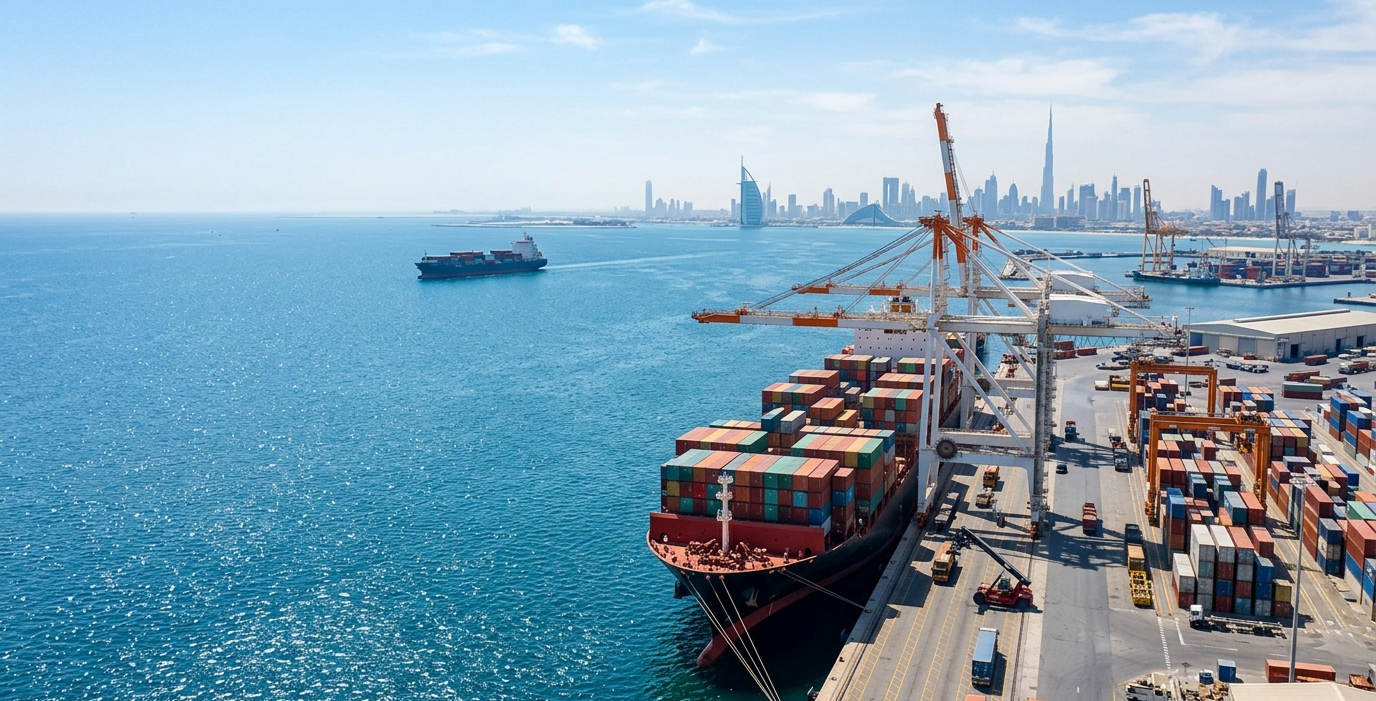
Learn how to find buyers for export in Qatar, Turkey and the Gulf — Gulfood, halal certification, TSE and SASO standards, plus vetting, payments and logistics for Indian exporters.
The Middle East is one of the most reliable export markets for Indian suppliers. The Gulf states import most of what they consume, from food and medicines to machinery, textiles, chemicals and building materials. Their buyers pay well, order regularly and value long-term suppliers. For Indian exporters, learning how to find buyers for export in Qatar, Turkey and the Gulf is a practical route to steady, high-value orders.
This guide explains the buyer landscape in Qatar, Turkey, the UAE and Saudi Arabia, where to find buyers, how to approach them, and how to trade safely in a region where relationships, standards and halal requirements matter.
The Gulf and Middle East Buyer Market
The Gulf Cooperation Council states — Saudi Arabia, the UAE, Qatar, Kuwait, Bahrain and Oman — import hundreds of billions of dollars of goods every year. Their economies are built on energy, but their populations, cities and industries depend on imports for almost everything else. Food, pharmaceuticals, textiles, consumer goods, machinery, vehicles, chemicals and construction materials are all imported at scale.
Indian exporters have a natural advantage here. India is close by sea, shipping takes one to two weeks, and the large Indian diaspora in the Gulf understands Indian products. Indian food, textiles, jewellery, pharmaceuticals, engineering goods and spices are already familiar to Gulf buyers. The task is to find the right buyers and become a regular supplier, not a one-off seller.
Quality and certification matter. Gulf buyers expect consistent quality, clear labelling, halal certification for food, and compliance with Gulf standards. A supplier who meets those requirements and delivers on time can build a very durable order book.
Qatar: World Cup Legacy Demand
Qatar is a small country with very high purchasing power. The FIFA World Cup in 2022 left behind stadiums, hotels, transport and tourism infrastructure, and demand continues for food, hospitality supplies, building materials, consumer goods and services. Qatar imports almost everything it consumes, and its buyers include supermarkets, hotels, restaurants, distributors, construction companies and government-linked buyers.
How to find buyers for export in Qatar? Use B2B directories, the Qatar Chamber of Commerce and Industry, trade fairs in Doha and trade data by HS code. Qatari buyers are relationship-driven and often prefer an introduction through a chamber, a trade body or a local agent. They expect professional catalogues, samples and clear terms, and they negotiate firmly but fairly.
Halal requirements are central for food exports to Qatar. Meat, processed food and ingredients need halal certification from a recognised body, and labelling must meet Qatari rules. Pharmaceuticals and cosmetics face registration, and many products need conformity certification. Check the requirements for your HS code before you quote.
Turkey: A Gateway Market
Turkey is a large, industrial economy at the crossroads of Europe, Asia and the Middle East. Its buyers include manufacturers, retailers, wholesalers and distributors who import raw materials, components, chemicals, textiles, food and machinery. Turkey also re-exports into Europe, the Middle East and Central Asia, so a Turkish buyer can open several markets.
To find buyers in Turkey, use trade fairs in Istanbul, B2B directories, the Turkish chambers of commerce and trade data by HS code. Turkish buyers are experienced negotiators, direct in communication and price-sensitive. They expect samples, clear specifications and competitive prices, and they often start with a trial order.
Turkey applies TSE standards to many products, and its customs union with the EU means many industrial products must meet EU-style conformity rules. Food imports face inspection and labelling rules, and some products need Turkish-language labelling. Confirm the standards for your product before dispatch, and build certification costs into your price.
UAE and Saudi Arabia: Re-Export Hubs
The UAE, especially Dubai, is the Gulf's great re-export hub. Its free zones, ports and trading companies buy goods from India and resell them across the Gulf, Africa and Central Asia. Dubai buyers include traders, distributors, retailers and e-commerce sellers. They are fast-moving, price-aware and well connected, and they often buy in volume when the price is right.
Saudi Arabia is the Gulf's largest market, with more than 35 million people and huge demand for food, pharmaceuticals, machinery, building materials and consumer goods. Its Vision 2030 programme is driving construction, tourism and manufacturing, which creates demand for a wide range of imports. Saudi buyers include large retailers, distributors, manufacturers and government-linked companies. They expect full compliance with Saudi standards (SASO) and, for food, halal certification and registration.
For both markets, trade fairs are essential. Gulfood in Dubai is the world's largest food trade fair and a key place to meet Gulf food buyers. Other sector fairs in Dubai, Riyadh and Abu Dhabi cover construction, health, textiles and consumer goods. A stand or a visit, with samples in hand, is often the fastest way to meet serious buyers.
How to Find Buyers in the Middle East
Use the same method across the region. First, define your product by HS code and study trade data: which country imports it, in what volume, from whom, and at what price. That tells you where demand is real.
Second, build a shortlist from several sources: B2B directories, Gulfood and other trade fair exhibitor lists, chamber members, import data and the TodayAdviser buyer directory. A buyer who appears in more than one credible source is more likely to be genuine.
Third, approach buyers professionally. Send a short message with your company profile, catalogue, specifications, halal and other certifications, minimum order quantity, price range and delivery time. Offer samples and a factory video call. Follow up politely and promptly.
Fourth, consider a local agent or distributor, especially in Qatar and Saudi Arabia, where local sponsorship and relationships matter. Choose agents carefully, agree commission and territory in writing, and keep direct contact with your end buyers.
Payments, Verification and Logistics
Never skip verification. Check the buyer's registration, website, address and trading history. Ask for bank references and previous supplier contacts. Use ECGC cover where it fits, and agree payment terms before production. For new buyers, prefer advance payment or an irrevocable letter of credit confirmed by a reputable bank. Avoid open account terms until a buyer has paid reliably several times.
Shipping from India to the Gulf is fast: Nhava Sheva or Mundra to Jebel Ali, Doha, Dammam or Jeddah usually takes one to two weeks. Turkey takes two to three weeks via Istanbul or Mersin. Work with a freight forwarder experienced in Gulf ports, and keep documentation complete: commercial invoice, packing list, bill of lading, certificate of origin, halal certificate where needed, and conformity certificates.
Frequently Asked Questions
How do I find buyers for export in Qatar?
Use B2B directories, the Qatar Chamber of Commerce and Industry, trade fairs in Doha and trade data by HS code. Approach importers and distributors with a professional catalogue, halal certification for food, samples and clear terms.
Is the Gulf a good market for Indian food exporters?
Yes. The Gulf imports most of its food, and Indian rice, spices, fresh produce, processed food and meat are in strong demand, provided halal certification and labelling rules are met.
What standards apply in the Gulf and Turkey?
Gulf states apply Gulf and national standards, including SASO in Saudi Arabia and halal rules for food. Turkey applies TSE standards and EU-style conformity for many industrial products. Check the requirements for your HS code before you quote.
Should I attend Gulfood?
If you export food, yes. Gulfood in Dubai is the key meeting place for Gulf food buyers, and a visit with samples can produce more leads than months of cold emails.
Find Middle East Buyers on TodayAdviser
Finding buyers is easier when buyers are already looking for suppliers. Browse verified importers in the TodayAdviser buyer directory to find buyers for export in Qatar, Turkey and the Gulf, and post a requirement to let Middle East buyers come to you with their enquiries. List your product, your certifications and your export terms clearly, respond quickly, and turn one verified buyer into a long-term Gulf order book.