Learn how to find buyers for export in Japan, South Korea & China with this complete B2B guide for Indian exporters covering compliance, channels, and vetted networks.
Entering the East Asian export market offers incredible growth opportunities for Indian businesses. If you want to know how to find buyers for export in Japan, South Korea & China, you must navigate unique cultural nuances, stringent regulatory frameworks, and deeply entrenched distribution networks.
East Asia represents one of the most lucrative yet demanding trading blocs in the global economy. For Indian exporters moving beyond traditional Western markets, mastering the business etiquette, compliance standards, and procurement channels of Japan, South Korea, and China is essential for long-term commercial success.
This comprehensive guide explores the structural dynamics of these three economic powerhouses, detailing actionable strategies on how to identify, vet, and close deals with verified international buyers.
East Asia Buyer Market Overview: Scale, Demand & Quality Expectations
Exporting to East Asia requires an appreciation of the region's immense economic scale and uncompromising quality standards. Unlike open-market economies where spot transactions dominate, East Asian supply chains rely heavily on relational trust, long-term commitments, and flawless execution.
Scale and Import Demand
China remains the world's manufacturing powerhouse and a massive consumer market, demanding raw materials, chemicals, agricultural commodities, and intermediate engineering goods. Japan, as a mature, high-income economy, relies heavily on imported food products, specialized machinery, pharmaceuticals, and IT services. South Korea operates as a dynamic, highly industrialized hub importing advanced components, chemicals, marine equipment, and consumer goods.
Quality and Compliance Expectations
Across all three nations, product quality is non-negotiable. Defect rates that might be tolerated in other regions can permanently damage an exporter's reputation in East Asia. Packaging, labeling, and logistical punctuality are treated as extensions of product quality. Exporters must view compliance not as a bureaucratic hurdle, but as a core value proposition.
Japan: Navigating Keiretsu, Sogo Shosha, and Strict Compliance
Japan’s import market is notoriously difficult to penetrate independently due to tightly integrated corporate networks. Understanding these structures is the first step for any exporter targeting Japanese importers.
Keiretsu and Sogo Shosha (Trading Houses)
Japanese commerce has historically been dominated by keiretsu (interlocking business groups) and sogo shosha (general trading companies). Companies like Mitsubishi, Mitsui, and Itochu control vast supply chains. While breaking into these networks directly is challenging, partnering with a trading house provides instant access to massive distribution channels across Japan.
JETRO and Institutional Support
The Japan External Trade Organization (JETRO) is an invaluable resource for foreign exporters. JETRO actively assists overseas businesses by providing market intelligence, organizing trade matchmaking events, and offering physical incubation spaces in major Japanese cities.
Buyer Behaviour and Compliance
Japanese buyers value precision, patience, and meticulous attention to detail. Business relationships develop slowly over multiple meetings and dinners. On the regulatory front, compliance is rigorous:
- JIS (Japanese Industrial Standards): Mandatory for many manufactured and technical goods.
- Food Sanitation Act: Enforced strictly by the Ministry of Health, Labour and Welfare (MHLW) for all agricultural and food exports, with zero tolerance for chemical residue overages.
- JAS Mark: Highly recommended for organic and processed food items to build instant consumer trust.
South Korea: Chaebol Supply Chains, KOTRA, and Import Channels
South Korea’s economy is heavily driven by family-owned conglomerates known as chaebols, such as Samsung, Hyundai, LG, and SK. Gaining entry into these supply chains can secure high-volume, long-term contracts.
Chaebol Supply Chain Integration
Chaebols typically procure through tier-1 and tier-2 domestic vendors who aggregate global components. To find buyers in South Korea, Indian exporters must often pitch to these specialized tier-1 intermediaries who understand the rigorous technical specifications demanded by the ultimate manufacturers.
KOTRA (Korea Trade-Investment Promotion Agency)
Similar to JETRO, KOTRA operates global offices that actively connect international suppliers with verified Korean importers. Utilizing KOTRA's Buy Korea platform and attending their localized sourcing fairs can fast-track lead generation.
Customs and Import Channels
Import clearance in South Korea is managed efficiently by the Korea Customs Service (KCS). Key channels include:
- B2B Importers & Distributors: Ideal for fast-moving consumer goods and industrial raw materials.
- Digital B2B Marketplaces: Increasingly utilized by mid-sized Korean enterprises looking to diversify supply chains away from traditional regional partners.
- Direct B2B Sourcing Events: Face-to-face exhibitions in Seoul and Busan remain critical for building initial rapport.
China: Importers, Canton Fair, Cross-Border E-Commerce & Regulations
As India's largest neighboring trade partner, export to China offers unmatched volume potential, provided exporters navigate the regulatory and logistical framework correctly.
Major Import Channels
- State-Owned Enterprises (SOEs): Ideal for bulk commodities, minerals, and agricultural staples.
- Private Importers & Wholesalers: Dominate the market for specialized chemicals, machinery components, and consumer goods.
- Cross-Border E-Commerce (CBEC): Platforms like Tmall Global and JD Worldwide allow foreign brands to sell directly to Chinese consumers with reduced regulatory friction compared to traditional general trade.
The Canton Fair and Trade Exhibitions
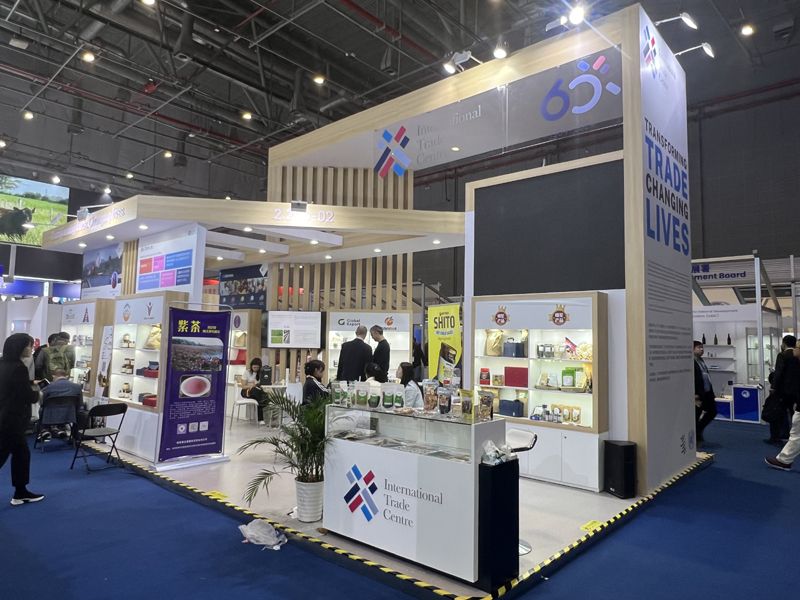
The Canton Fair, held biannually in Guangzhou, remains the world's largest trade fair. While traditionally used for sourcing from China, attending or exhibiting at specialized sections allows Indian exporters to meet thousands of verified Chinese buyers face-to-face.
GB Standards and Payment Terms
- GB Standards (Guobiao): China enforces strict mandatory national standards for products ranging from electronics to food. Exporters must ensure pre-shipment testing aligns with specific GB codes.
- Payment Terms: While Letters of Credit (LC) and Open Account terms are negotiated with trusted partners, secure escrow mechanisms and advance deposits (30-50%) remain essential for new trade relationships.
| Country | Key Procurement Hub / Channel | Primary Regulatory Standard | Key Cultural / Business Etiquette |
|---|---|---|---|
| Japan | Sogo Shosha (Trading Houses), Keiretsu | JIS, MHLW Food Sanitation Act | High formality, long decision cycles, extreme attention to detail |
| South Korea | Chaebol Tier-1 Vendors, KOTRA | KCS regulations, KC Mark | Relationship-driven, fast-paced execution, respectful hierarchy |
| China | SOEs, Private Importers, Canton Fair | GB Standards, CIQ inspection | Guanxi (networks), banquet negotiations, swift scaling |
How to Find and Vet Buyers Using Trade Data, HS Codes, and Directories
Finding prospective buyers requires a methodical, data-driven approach rather than cold emailing random companies.
1. Leverage HS Codes for Market Research
Start by analyzing Harmonized System (HS) codes for your products. Use global trade databases (such as UN Comtrade, Export-Import Data Banks) to identify which companies in Japan, South Korea, and China are actively importing your specific product category.
2. Utilize Verified B2B Directories
Avoid unverified contact lists purchased online. Instead, rely on trusted global B2B marketplaces like Today Adviser, where suppliers and buyers undergo rigorous multi-step verification, legal entity checks, and trade history audits.
3. Vet Buyers Systematically
Before signing contracts or shipping samples, run a thorough due diligence check:
- Verify Corporate Registration: Cross-check company registration numbers with local registries (e.g., Japanese Ministry of Justice or China's National Enterprise Credit Information Publicity System).
- Financial Health Check: Request trade references, bank solvency certificates, or credit rating reports from agencies like Dun & Bradstreet.
- Communication Audit: Assess their responsiveness, clarity regarding compliance requirements, and willingness to engage in secure payment frameworks.
Step-by-Step Practical Process for Indian Exporters
Executing an East Asian export strategy successfully involves a structured operational roadmap:
- Market Readiness Audit: Ensure your production capacity, packaging standards, and export documentation (Certificate of Origin, Bill of Lading, commercial invoice, packing list) meet international benchmarks.
- Localization: Translate essential product catalogs, spec sheets, and corporate profiles into Japanese, Korean, or Simplified Chinese where appropriate.
- Lead Generation & Outreach: Source verified buyers via trade fairs, government promotion agencies (JETRO, KOTRA), and digital platforms like Today Adviser.
- Sample Dispatch & Testing: Send samples accompanied by third-party lab test reports to satisfy local compliance requirements proactively.
- Contract Finalization: Draft watertight contracts specifying Incoterms (typically FOB or CIF), payment milestones, quality inspection clauses, and dispute resolution mechanisms.
Common Mistakes to Avoid When Exporting to East Asia
Avoiding costly pitfalls can save your export business months of delays and significant financial losses.
- Ignoring Cultural Nuances: Relying solely on transactional, aggressive sales tactics without investing time in relationship-building.
- Skipping Pre-Shipment Inspections: Failing to hire independent inspection agencies (like SGS or Bureau Veritas) to verify goods before they leave port.
- Assuming Universal Compliance: Assuming that European or American certifications automatically satisfy Japanese JIS, Korean KC, or Chinese GB standards.
- Vague Payment Terms: Agreeing to unsecured open-account terms with newly found buyers without adequate credit insurance or bank guarantees.
Frequently Asked Questions
How can Indian exporters find verified buyers in Japan?
Indian exporters can find verified Japanese buyers by partnering with Sogo Shosha (trading houses), utilizing JETRO matchmaking services, attending major trade shows in Tokyo, and sourcing through trusted B2B trade platforms with pre-vetted buyer directories.
What are the main regulatory hurdles when exporting food to Japan?
Food exporters must comply with Japan's stringent Food Sanitation Act enforced by the MHLW. This includes strict residue limits for agricultural chemicals, mandatory facility registration, and thorough pre-import notification procedures.
How do chaebol supply chains impact Korean market entry?
Chaebols dominate South Korea's economy and procure largely through established tier-1 and tier-2 domestic vendors. To enter these supply chains, Indian exporters often need to pitch to these authorized intermediaries who meet the conglomerates' rigorous technical specifications.
What is the best way to meet Chinese buyers in person?
Attending mega-exhibitions such as the Canton Fair in Guangzhou or specialized industrial expos in Shanghai and Shenzhen remains the most effective way to establish face-to-face trust and secure bulk Chinese buyers.
Why are GB standards critical when exporting to China?
GB (Guobiao) standards are mandatory national standards in China covering product safety, labeling, and technical specifications. Non-compliance results in immediate customs rejection at the port of entry.
What payment terms should Indian exporters use with East Asian buyers?
For new buyers, Letters of Credit (LC) issued by reputable international banks or structured advance payments (30-50% deposit) combined with balance payment against shipping documents are recommended.
How do HS codes help in targeting East Asian export markets?
HS codes allow exporters to track official import volumes, identify active destination ports, pinpoint competitor pricing, and match specific product classifications with verified overseas buyers.
Conclusion and Next Steps
Successfully exporting to Japan, South Korea, and China demands a blend of cultural sensitivity, uncompromising product quality, and strict adherence to local regulatory frameworks. By leveraging institutional support, conducting rigorous buyer vetting, and utilizing data-driven sourcing channels, Indian exporters can unlock massive, long-term growth across East Asia.
Ready to scale your export business across East Asia? Connect with verified international importers today. Explore the Today Adviser Buyer Directory to find active trade partners, or Post a Requirement (RFQ) to let verified global buyers come directly to you with immediate sourcing needs.