
A practical guide to finding buyers for ceramics, marble, paper, plastic, electronics and building-material exports — directories, HS codes, vetting and outreach.
Finding international buyers for heavy industrial goods requires a strategic pivot from retail sales tactics. Whether you are exporting high-volume ceramics, natural stone, packaging polymers, electronic components, or heavy building materials, the B2B procurement cycle is long, technical, and risk-averse. Global importers do not buy on impulse; they buy based on verified specifications, reliable supply chains, and strict regulatory compliance.
In this comprehensive exporter guide, we break down how industrial procurement works across multiple heavy sectors. You will learn where high-value buyers cluster, how to leverage trade data and a ceramic product importers directory effectively, and how to execute a high-converting outreach playbook that turns cold leads into long-term trade partners.
Industrial buyers operate in a vastly different ecosystem compared to consumer-facing retail purchasers. While consumer brands focus on aesthetic trends, packaging appeal, and consumer reviews, industrial procurement managers evaluate raw technical capability, financial stability, and operational resilience.
When pitching industrial goods, your initial communication must be data-driven. Buyers need comprehensive technical data sheets (TDS) and material safety data sheets (MSDS) before they even consider a introductory call. Furthermore, minimum order quantities (MOQs) are non-negotiable baselines; industrial buyers operate on lean inventory models and demand predictable, scalable batch sizes.
Compliance and international standardisation represent the final gatekeepers. Depending on your sector, your products must meet regional mandates such as CE marking for the European Union, ISO quality management standards, ASTM or EN testing for materials, and RoHS or FCC directives for electronics. Without these verifiable credentials, even the most competitive pricing will fail to secure a purchase order.
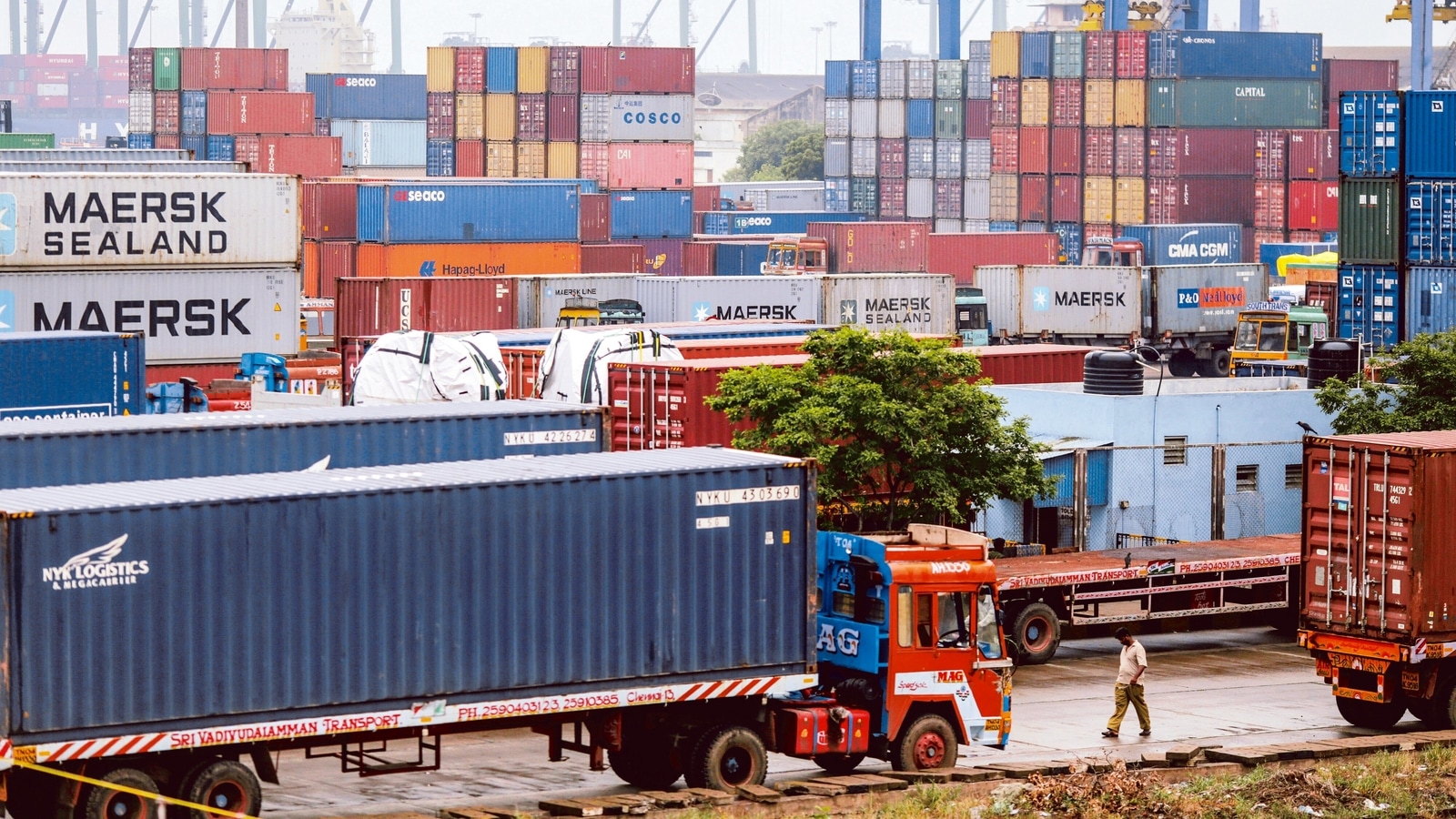
Ceramics and natural stone—such as marble, granite, and engineered quartz—are high-weight, high-volume exports where logistics costs heavily influence sourcing decisions. Major import clusters concentrate heavily in the United States (particularly the East Coast and Texas), the European Union (led by Italy, Germany, and France), and the Gulf Cooperation Council (GCC) nations, driven by massive infrastructure and real estate booms in the UAE and Saudi Arabia.
To identify these buyers, savvy exporters bypass generic search engines and utilise specialised customs data platforms, port records, and a targeted ceramic product importers directory. These directories allow you to filter buyers by historical shipment volumes, active port of entry, and declared product HS codes (such as Chapter 69 for ceramic goods and Chapter 25 or 68 for stone).
When vetting these leads, look past the company size and evaluate their distribution model. Are they tier-one distributors supplying mega-contractors, or are they regional fabricators requiring container-load quantities? Align your pricing models—whether FOB, CIF, or DDP—with their capacity to manage custom clearance and inland freight.
The paper and plastic export sectors split into two distinct categories: industrial raw materials (such as polymer resins, corrugated medium, and kraft linerboard) and converted finished goods (such as flexible packaging films, injection-moulded containers, and moulded pulp packaging).
Targeting these buyers requires precise mastery of Harmonised System (HS) codes. For instance, plastic polymers fall primarily under HS Chapter 39, while paper and paperboard sit under Chapters 47 and 48. Global sourcing managers use these codes to track down verified mill-direct suppliers or master distributors.
| Product Category | Primary HS Code Ranges | Key Buyer Persona | Critical Compliance Focus |
|---|---|---|---|
| Ceramics & Tiles | HS 6907, 6908 | Importer-Distributors, Mega-Builders | Breaking strength, water absorption rate |
| Marble & Stone | HS 2515, 6802 | Stone Fabricators, Architectural Specs | Petrographic analysis, compressive strength |
| Paper & Packaging | HS 4804, 3923 | FMCG Converters, Industrial Packers | Burst strength, food-grade certification |
| Electronic Components | HS 8541, 8542 | OEM Manufacturers, EMS Providers | RoHS, REACH, trace-lot documentation |
| Building Materials | HS 6810, 7308 | Civil Contractors, Importers | Structural load testing, fire-retardancy |
Industrial buyers in this space are acutely focused on consistency. A variance of a few microns in plastic film thickness or grammage in paper stock can jam high-speed automated packaging lines, leading to catastrophic downtime. Your marketing must emphasise quality control protocols, batch traceability, and supply chain redundancy.
The electronics component sector—ranging from passive resistors and active semiconductors to printed circuit board assemblies (PCBAs)—demands the highest tier of supply chain integrity. Buyers in this space include Original Equipment Manufacturers (OEMs) and Electronics Manufacturing Services (EMS) providers.
Because counterfeit or substandard components can cause catastrophic failure in automotive, aerospace, or industrial machinery applications, vetting procedures are rigorous. Buyers will request comprehensive compliance certificates, including RoHS (Restriction of Hazardous Substances), REACH, and ISO 9001 or IATF 16949 for automotive-grade components.
When targeting electronics buyers, your digital footprint must be immaculate. Provide fully transparent datasheets, clear lifecycle status for components, and guaranteed secure anti-static packaging specifications. Third-party audit reports from agencies like SGS or TÜV Rheinland can drastically shorten your sales cycle by instantly building trust.
Building materials—including structural steel, cement, insulation, architectural glass, and composite panels—are project-driven commodities. Buyers in this sector generally fall into three distinct operational buckets: regional wholesale distributors, large-scale civil engineering contractors, and institutional tender participants.
To capture project buyers, you must monitor international procurement portals, municipal tender boards, and construction intelligence databases. These projects require strict adherence to local building codes. For example, exporting structural steel or insulation materials into the EU requires mandatory Declaration of Performance (DoP) documents backed by CE marking.
Distributors, on the other hand, care deeply about margin stability, container consolidation, and dependable shipping schedules. Offering mixed-container loads of complementary building supplies can give you a decisive competitive edge over single-product mill suppliers.
Securing high-value industrial purchase orders requires a structured, professional outreach playbook. Cold emailing generic info@ email addresses yields negligible results in B2B trade. Instead, deploy a multi-touch outreach strategy designed to reach procurement directors, supply chain VPs, and category managers directly via professional networks and targeted trade channels.
The Industrial Outreach Framework
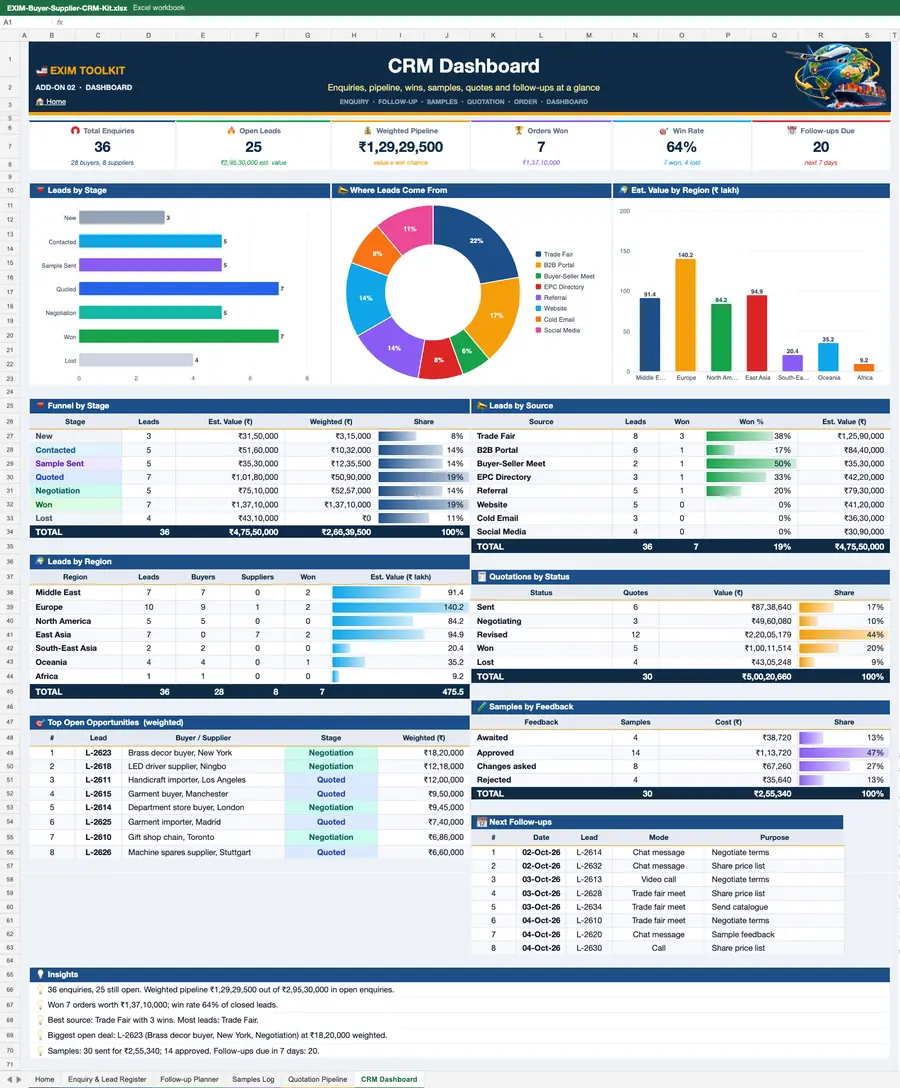
- Comprehensive Catalogues & Specification Portfolios: Never send marketing fluff. Send modular PDF portfolios containing technical drawings, lab test reports, material composition breakdowns, and clear MOQ matrices.
- Strategic Sample Dispatch: Industrial buyers will never commit to a full container without testing physical samples. Establish a streamlined sample-dispatch protocol with express courier tracking and clear lab-test certificates included in the sample box.
- Physical & Virtual Trade Fairs: Attend or exhibit at industry-defining trade exhibitions such as Cersaie for ceramics, Electronica for components, or The Big 5 for building materials. Follow up within 48 hours with bespoke quotations based on meeting notes.
- Leveraging Digital B2B Marketplaces: Maximise your exposure by listing your enterprise on verified B2B platforms. Utilise services like Today Adviser to browse active buyer requests, respond to RFQs (Requests for Quotation), and connect directly with pre-screened international importers.
Common exporter mistakes include quoting unrealistic prices without factoring in volatile freight rates, failing to secure comprehensive cargo insurance, and ignoring local customs import tariffs. Always state clearly that indicative prices and factory capacities are subject to formal verification at the time of inquiry.
Frequently Asked Questions
How do I find verified buyers for ceramic tiles and sanitary ware?
Utilise specialised import-export databases, customs port records, and a dedicated ceramic product importers directory to identify active distributors in North America, Europe, and the Gulf. Cross-reference these leads with credit-rating agencies to ensure financial stability before dispatching formal quotations.
What are standard MOQs for industrial product exports?
Minimum Order Quantities vary heavily by sector. For containerised goods like marble slabs, ceramics, and building materials, MOQs typically start at one 20-foot or 40-foot container (FCL). For electronics components or specialised packaging materials, MOQs are usually calculated based on batch production runs, often ranging from several thousand to tens of thousands of units.
How can I verify the financial health of a new international B2B buyer?
Always request trade references, bank letters of credit (LC), or perform background checks through international credit-rating bureaus like Dun & Bradstreet or Euler Hermes. For higher-risk markets, insist on secure payment terms such as confirmed irrevocable letters of credit or partial advance payments.
What compliance documents do building material exporters need for the EU?
Exporters targeting the European Union must provide a Declaration of Performance (DoP), CE marking compliance certificates, and independent laboratory test reports proving conformity with harmonised European standards (EN norms) for structural safety, fire resistance, and environmental impact.
Are FOB, CIF, or DDP shipping terms better for industrial exports?
FOB (Free On Board) is the safest and most common term for new exporters, as it shifts shipping and insurance risks to the buyer once goods clear the port of origin. CIF includes cost, insurance, and freight, while DDP (Delivered Duty Paid) places maximum liability on the exporter. Use DDP only if you have robust logistics partnerships in the destination country.
How long is the typical sales cycle for heavy industrial products?
The B2B sales cycle for industrial goods typically ranges from three to twelve months. This extended timeline accounts for sample testing, laboratory certification verification, factory audits, commercial contract negotiations, and trial batch shipments.
How do I handle currency fluctuations when quoting long-term industrial contracts?
Include currency adjustment clauses in your sales contracts, or price your goods in stable global currencies such as US Dollars (USD) or Euros (EUR). For large, multi-phase industrial orders, consider hedging strategies or negotiating short validity windows (e.g., 14 to 30 days) on formal price quotations.
Success in industrial exporting relies on precision, compliance, and proactive relationship management. By understanding the rigorous demands of technical procurement managers across ceramics, stone, paper, plastics, electronics, and building materials, you position your export business for sustainable global growth.
Ready to scale your export operations? Take the guesswork out of international trade by joining Today Adviser. Post your product requirements, explore verified global buyer directories, and connect directly with pre-screened importers and exporters today.
Find buyers on TodayAdviser
If you want a faster route to buyers who are already looking, browse the TodayAdviser buyer directory to search importers by product and country, and post a requirement (RFQ) on TodayAdviser so verified buyers can respond directly to your offer. A directory search plus a live requirement reaches buyers who are actively sourcing, which is a better use of time than cold outreach alone.