A practical, step-by-step guide for Indian exporters on finding genuine overseas buyers — marketplaces, trade data, LinkedIn, trade fairs and verification.
For most Indian exporters, making the product is not the hard part. Finding a genuine export buyer who will place a real order, pay on time and come back for more — that is the bottleneck. India has the factories, the farms, the artisans and the engineering talent. What many small and mid-sized exporters lack is a reliable pipeline of overseas buyers.
This guide explains how to find buyers for export from India in 2026, step by step, covering the channels that actually work — B2B marketplaces, trade fairs, customs data, LinkedIn and verified buyer directories — and how to check a buyer before you ship a single carton.
Why finding buyers is the number one bottleneck
A new exporter usually starts with a product and a price, then discovers that the world does not come knocking. Unlike domestic trade, export buyers are scattered across countries, time zones, languages and regulations. A buyer in Dubai, Hamburg or Toronto will not find your factory on their own, and a listing buried on page nine of a marketplace will not generate enquiries.
The second problem is trust. International buyers worry about quality, delivery and payment risk just as much as you worry about theirs. That is why cold outreach fails so often: a buyer who has never heard of you has no reason to reply. Your job is not only to be found, but to be findable in places where buyers already look, and to look credible when they find you.
The third problem is noise. The internet is full of so-called buyer lists, paid leads and agents who promise orders for a fee. Some are genuine; many are outdated, recycled or simply fake. Exporters who chase every lead burn time and money. A disciplined approach — a few good channels, worked consistently — beats a scattergun approach every time.
Before you search: define exactly who your buyer is
Before you hunt for an export buyer, write down who that buyer is: what you sell (product, specifications, grades, pack sizes, MOQ and certifications such as FSSAI, APEDA registration, ISO or CE where relevant), who buys it (importers, distributors, wholesalers, retail chains or manufacturers who use your product as an input), where they are (shortlist three to five target countries, considering demand, import duties and shipping time) and your price position (price, quality, customisation or speed).
B2B marketplaces and the TodayAdviser buyer directory
B2B marketplaces are the fastest place to start, because buyers arrive there with intent. Instead of interrupting strangers, you meet people who are already searching for suppliers. List your products with clear photographs, honest specifications, pack sizes, MOQ and an indicative price range — and mark prices as indicative, asking buyers to confirm live rates, because freight, duties and exchange rates move constantly.
A good listing also answers the questions a buyer will ask first: What certifications do you hold? What is your production capacity per month (indicative)? What are your payment terms? How do you pack and ship? Exporters who answer these questions upfront get far more serious enquiries than those who write two lines and a phone number.
Buyer directories work the other way round: instead of waiting for enquiries, you browse live buying requirements and contact the buyer. The TodayAdviser buyer directory lists verified buy leads from importers, so you can see what buyers actually want, in which country and in what quantity, and respond to the ones that match your product. Used daily, even for fifteen minutes, a directory like this becomes a steady source of export leads.
Do not rely on a single portal. Keep your profile live on two or three relevant marketplaces, respond to enquiries within one working day, and track which channel produces real conversations. Speed of response is a genuine competitive advantage: many buyers shortlist the first three suppliers who reply properly.
Trade fairs, export promotion councils and trade missions
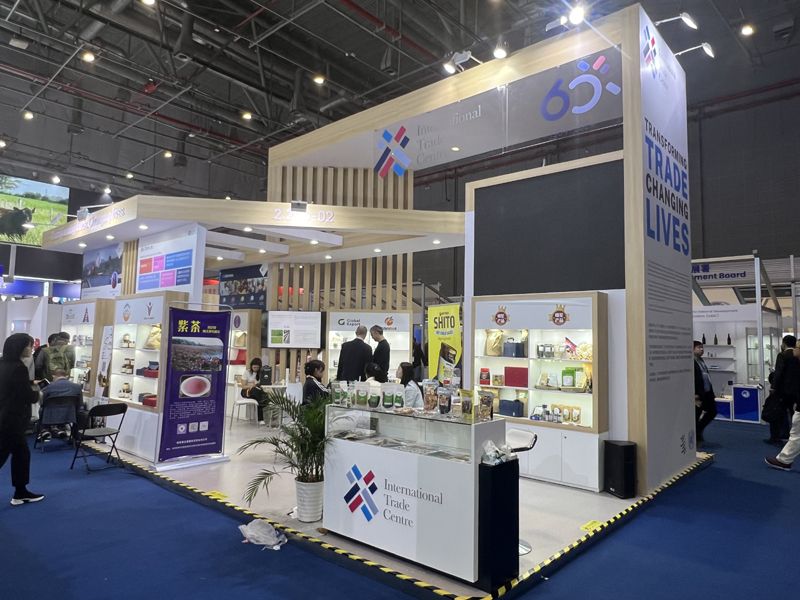
Nothing replaces meeting a buyer face to face. Trade fairs let an importer see, touch and taste your product, and let you read whether they are serious. Pick fairs where your target buyers actually attend — for food and agriculture, events such as Gulfood in Dubai and Anuga in Germany; for textiles, Heimtextil and regional sourcing shows; for engineering goods, Hannover Messe and sector-specific exhibitions. Go with samples, a one-page company profile, a price list marked indicative, and a clear follow-up plan.
Export Promotion Councils (EPCs) are an underused resource. Bodies such as FIEO, APEDA for agri products, EEPC India for engineering goods and the Carpet Export Promotion Council run buyer-seller meets, subsidised pavilions and trade delegations. Follow up within 48 hours of any meeting, while the buyer still remembers you.
Customs data, trade data and HS-code research
If you want to find buyers for export from India with precision, learn to read trade data. Every shipment that leaves or enters a country creates a customs record, and much of that data is published or sold in searchable form. The starting point is your product's HS code — the international classification number for your goods. A spice exporter, for example, works with different HS codes for whole spices, ground spices and spice mixes, and each code maps to a different set of importers.
Free sources worth learning include ITC TradeMap, which shows which countries import your product and in what volumes; Zauba and similar Indian shipment-data sites; and DGFT and APEDA statistics for Indian export trends. Paid databases add company names, shipment frequency and contact details, and are worth the cost once you have a clear target product and market.
Use the data to answer three questions: Which countries import the most of your product? Which companies import it regularly, rather than once? And is their import volume growing or shrinking? A company importing your product every month for two years is a far better prospect than a company that imported one container in 2023.
LinkedIn and online outreach that gets replies
LinkedIn is the most effective free tool for finding an export buyer by name and job title. Search for import managers, procurement heads, category buyers and owners at companies you identified through trade data. A focused search — for example, "import manager" plus "spices" plus "United Arab Emirates" — will surface real people rather than generic company pages.
Your own profile is your shop window. Make it clear in the first two lines what you export, for whom and from where. Use a professional photograph, list your products and certifications, and post occasionally about your products, factory, quality checks or shipments. Buyers check profiles before replying, and an empty profile signals risk.
Outreach works when it is short, specific and useful. A good first message is three or four lines: who you are, what you supply, one fact that proves relevance (for example, that you currently ship containers of turmeric fingers to importers in the Gulf), and a simple question. Avoid long brochures in the first message, avoid claiming to be the "leading manufacturer" of anything, and always follow up once or twice at sensible intervals. Most replies come after the second message, not the first.
How to verify a buyer and avoid scams
Verification is where many new exporters lose money. Before you spend on samples, customised packaging or production, check the buyer. Confirm the company exists — its website, registration, address and trading history. Be wary of a "procurement manager" writing from a free webmail account; serious buyers use company email addresses. Ask for trade references: a genuine importer can usually name suppliers or a bank. If they refuse every check, walk away.
Start small. A trial order on advance payment or an irrevocable letter of credit (LC) is normal for a first order. Never ship a large first consignment on open credit to a buyer you have not verified. Watch for classic scams: requests for upfront "registration fees", "customs deposits" or payments to release an order are red flags — genuine buyers do not charge suppliers to buy from them. Use your bank and ECGC (Export Credit Guarantee Corporation): your bank can check the buyer's credit standing, and ECGC offers cover against buyer non-payment.
Find buyers faster with TodayAdviser
Finding buyers is a process, not a single trick. Combine a visible marketplace presence, smart use of trade data, genuine LinkedIn outreach and careful verification, and work the channels weekly: the exporter who sends twenty good messages a month will, within a quarter, have real conversations under way. If you want a head start, browse live import requirements on the TodayAdviser buyer directory and post your product requirement so verified buyers can find you.
Frequently asked questions
How can I find buyers for export from India for free?
Use free channels: B2B marketplace listings, the TodayAdviser buyer directory, ITC TradeMap, LinkedIn outreach and your Export Promotion Council's buyer-seller meets. They take more of your time, but they work when you respond quickly and keep listings complete.
Which is the best B2B marketplace to find export buyers?
There is no single best marketplace for every product. Large general portals give reach; niche, verified directories such as the TodayAdviser buyer directory often give better-quality leads. Test two or three channels for a quarter and keep the ones that produce real conversations.
How do I find buyers by HS code?
Find your product's HS code, then use trade data sources such as ITC TradeMap or shipment databases to see which countries and companies import goods under that code. Shortlist regular importers and approach them with a relevant offer.
How do I know if an export buyer is genuine?
Verify the company's registration, website and address, ask for trade references, start with a small trial order on advance payment or LC, and use your bank or ECGC for credit checks. Walk away from any buyer who asks you to pay fees to receive an order.
How long does it take to get your first export order?
For most new exporters working consistently, expect two to six months from first outreach to first order, depending on the product, price and market. A steady weekly routine of outreach and follow-up shortens this considerably.
Do I need an IEC and GST registration to export from India?
Yes. An Importer Exporter Code (IEC) from DGFT is mandatory for exports, and GST registration applies to most exporting businesses. Your EPC or a local export consultant can guide you through registration and any product-specific licences.