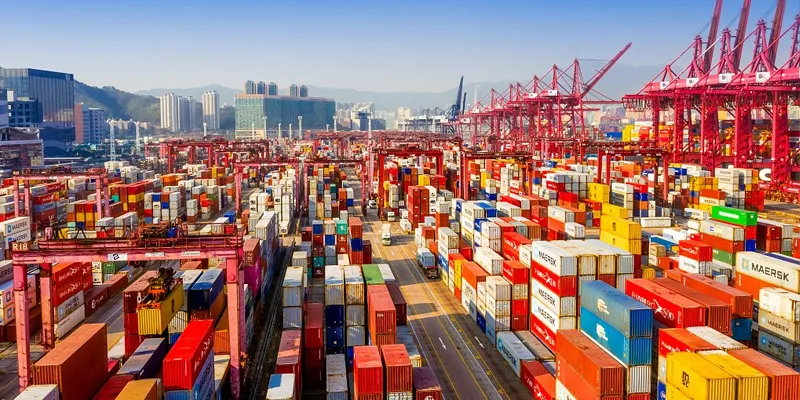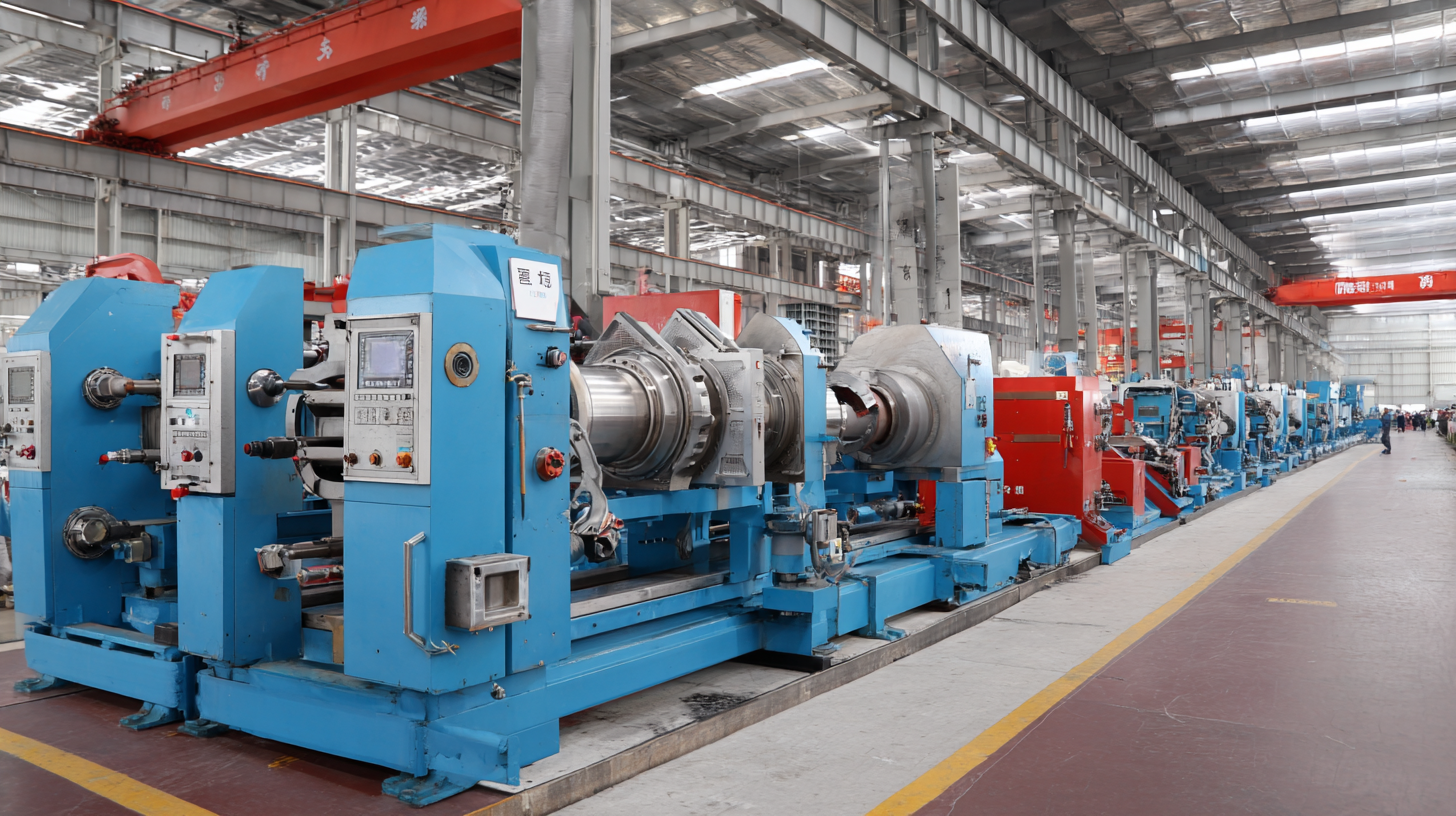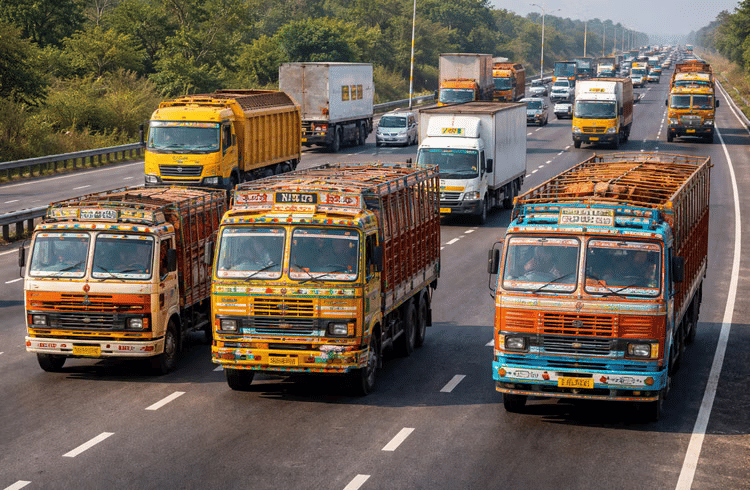
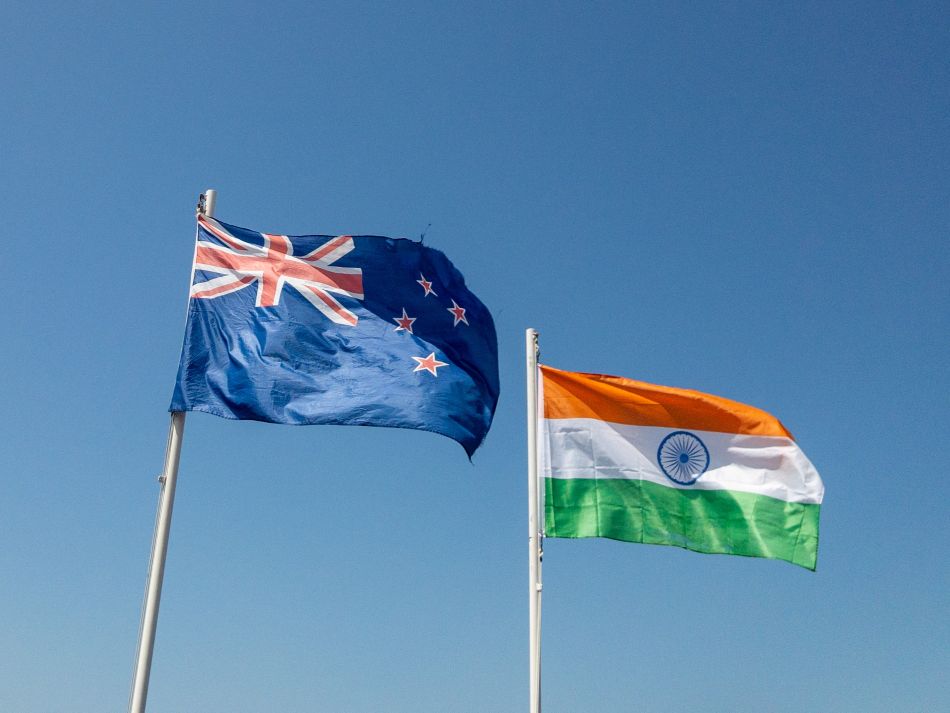
The India-New Zealand FTA enters into force tomorrow, 20 October 2026, with New Zealand removing duties on all 8,284 tariff lines for Indian goods from day one. With a ceremonial flag-off of the first consignments planned at Vanijya Bhawan today, here is what exporters must have ready – certificate of origin, HS classification and rules-of-origin compliance.
The India-New Zealand Free Trade Agreement enters into force on 20 October 2026, marking a decisive shift in bilateral commerce across the Indo-Pacific corridor. Exporters, manufacturers, and procurement heads must now navigate substantial tariff phase-outs, harmonised customs protocols, and strict Rules of Origin (RoO) criteria to capitalize on preferential trade terms.
For cross-border traders, the agreement unlocks commercially viable access to previously high-tariff categories, including Indian engineering components, organic textiles, and finished pharmaceutical formulations entering New Zealand, alongside premium New Zealand primary goods, timber, machinery, and specialty ingredients moving into India. Maximising these bilateral margins requires an immediate operational overhaul of origin verification, supply chain tracking, and customs documentation.
This definitive exporter checklist details every regulatory, operational, and commercial stage required to ensure cross-border consignments clear both Indian Central Board of Indirect Taxes and Customs (CBIC) and the New Zealand Customs Service seamlessly under the india new zealand fta 2026 framework.
Strategic Architecture of the India-New Zealand FTA
The implementation of the India-New Zealand FTA establishes a legal framework aimed at eliminating or drastically reducing tariff lines across thousands of Harmonised System (HS) codes over a structured phased timeline.
Bilateral trade between India and New Zealand has historically faced structural constraints, particularly elevated Most-Favoured-Nation (MFN) duties on finished industrial goods and sensitive agricultural categories. Under this comprehensive bilateral trade agreement, both governments have balanced domestic market sensitivities with commercial growth opportunities.
Core Objectives of the Agreement
- Tariff Elimination on Industrial Lines: Progressive removal of tariffs on more than 85% of industrial exports within five years of entry into force.
- Transparent Technical Regulations: Alignment of Technical Barriers to Trade (TBT) and Sanitary and Phytosanitary (SPS) measures to curb non-tariff friction.
- Digital Customs Facilitation: Integration of electronic Certificates of Origin (e-CoO) and digital pre-clearance mechanisms to decrease average maritime turnaround times at primary gateway ports.
- Resilient Value Chains: Diversification of critical procurement networks, reducing single-market dependency for critical minerals, food ingredients, industrial enzymes, and intermediate engineering hardware.
Exporters must recognize that preferential tariffs are not automatically applied at customs clearance. Consignments default to standard MFN tariff rates unless origin claims are supported by legitimate, verifiable paperwork issued by authorized agencies.
Tariff Schedules: Baseline Rates vs. FTA Concessions
Securing preferential margins begins with cross-referencing your product's 6-digit and 8-digit HS code against the agreed tariff reduction schedules. Below is an indicative operational comparison across key B2B merchandise categories traded between India and New Zealand:
| Sector / Commodity | Harmonised System (HS) Code | Standard MFN Duty Rate | India-NZ FTA Day 1 Tariff (20 Oct 2026) | Staged Trajectory (By Year 5 / 2031) |
|---|---|---|---|---|
| Indian Finished Apparels & Made-ups | HS Chapters 61 & 62 | 10.0% | 0.0% (Duty-Free Entry) | Fully Bound at 0% |
| Indian Bulk & Active Pharmaceuticals | HS Chapter 29 & 30 | 5.0% | 0.0% | Fully Bound at 0% |
| Precision Automotive Components (India to NZ) | HS Chapter 87 | 5.0% - 10.0% | 0.0% | Fully Bound at 0% |
| Specialty Engineering & Valve Castings | HS 8481 / 7325 | 5.0% | 0.0% | Fully Bound at 0% |
| New Zealand Rough & Sawn Radiata Pine | HS Chapter 44 | 5.0% - 10.0% | 2.5% | 0.0% |
| New Zealand Industrial Wool Tops (Degreased) | HS 5101 / 5105 | 10.0% | 2.5% | 0.0% |
| Edible Horticultural Goods (Apples/Kiwifruit) | HS 0808 / 0810 | Up to 50.0% (TRQ Mechanism) | In-Quota Concession (20%) | Scaled Annual Quota Reductions |
| Machinery & Processing Equipment (NZ to India) | HS Chapter 84 | 7.5% | 3.5% | 0.0% |
Note: Agricultural concessions apply subject to specific Tariff Rate Quota (TRQ) thresholds. Exporters of sensitive primary commodities must ensure that their quota allocations are secured via relevant export development boards prior to booking container freight.
Rules of Origin (RoO) and Value Addition Criteria
Origin compliance under the india new zealand fta 2026 is anchored on the principle of substantial transformation. Goods do not qualify as originating products simply by being exported from an Indian or New Zealand port; they must satisfy legal criteria that prevent simple transshipment and circumvention.
                                  ┌─────────────────────────────┐
                                  │ Is Product Wholly Obtained? │
                                  └──────────────┬──────────────┘
                                                 │
                         ┌───────────────────────┴───────────────────────┐
                         ▼                                               ▼
                      [ YES ]                                         [ NO ]
                         │                                               │
         ┌───────────────────────────────┐               ┌───────────────────────────────┐
         │ Qualifies Under Origin Rules  │               │ Check Product-Specific Rules  │
         │  (Minerals, Raw Produce, etc) │               │            (PSRs)             │
         └───────────────────────────────┘               └───────────────┬───────────────┘
                                                                         │
                                                 ┌───────────────────────┴───────────────────────┐
                                                 ▼                                               ▼
                                   Change in Tariff Sub-Heading                    Regional Value Content (RVC)
                                         (CTSH Rule)                             (Typically >= 35% - 40% FOB)
                                                 │                                               │
                                                 └───────────────────────┬───────────────────────┘
                                                                         │
                                                                         ▼
                                                         ┌───────────────────────────────┐
                                                         │  Origin Criterion Satisfied   │
                                                         │    Apply for Origin Cert      │
                                                         └───────────────────────────────┘
1. Wholly Obtained or Produced Goods (WO)
Products extracted, harvested, or born and raised entirely within the sovereign territory of either party—such as Indian organic cotton harvests or New Zealand forest timbers—qualify as Wholly Obtained (WO). Minimal processing outside the territories automatically voids this status.
2. Product-Specific Rules (PSRs) for Non-Originating Materials
When non-originating raw materials, parts, or sub-assemblies (e.g., intermediate inputs imported from China, ASEAN, or Europe) are used, goods must meet one or both of the following transformation standards:
- Change in Tariff Classification (CTC): Non-originating components must undergo processing resulting in a shift in tariff classification at the 2-digit (CC), 4-digit (CTH), or 6-digit (CTSH) level.
- Regional Value Content (RVC): The product must attain an explicit minimum proportion of regional manufacturing value inside India or New Zealand—typically between 35% and 40% calculated on an FOB basis.
Calculating Regional Value Content (RVC)
Exporters must calculate their value-add margins using authorized accounting methods specified in the text:
The Build-Down (Direct) Method:
$$\text{RVC} = \left( \frac{\text{FOB Value} - \text{Value of Non-Originating Materials (VNM)}}{\text{FOB Value}} \right) \times 100$$
The Build-Up (Indirect) Method:
$$\text{RVC} = \left( \frac{\text{Value of Originating Materials (VOM)} + \text{Direct Labour and Overhead Costs}}{\text{FOB Value}} \right) \times 100$$
Maintain thorough cost sheets with auditable supplier declarations for all non-originating materials used during assembly. Without these supplier records, border agencies may classify the components as non-originating, potentially causing the entire shipment to breach RVC requirements.
De Minimis Allowance
A standard De Minimis provision applies, permitting non-originating inputs that fail to undergo the prescribed tariff shift, provided their collective value does not exceed 8% to 10% of the total FOB value of the final exported item (excluding textile chapters, which enforce distinct weight-based thresholds).
The Complete Pre-Export Checklist
To prevent port-of-entry delays, demurrage surcharges, or outright rejection of preferential claims, both procurement and compliance teams should implement this operational workflow:
Phase 1: Classification & Origin Audit (T-Minus 60 Days)
- [ ] Validate 8-Digit HS Coding: Confirm that the destination country's customs agency assigns the same classification to your item as your domestic export declaration. (India utilizes an 8-digit ITC-HS structure; New Zealand enforces its own Working Tariff Document).
- [ ] Review Product-Specific Rules: Check the official Annex on PSRs to establish whether your line demands CTSH, RVC 35%, or a combination rule.
- [ ] Assemble the Bill of Materials (BOM): Itemize all components, including originating status, country of origin, commercial invoice numbers, and unit costs calculated down to the base production batch.
- [ ] Apply the Value-Add Formula: Confirm the final manufacturing calculation beats the RVC minimum by a safety margin of at least 3-5 percentage points to account for foreign exchange volatility and freight fluctuation.
Phase 2: Documentation & Licensing (T-Minus 30 Days)
- [ ] Exporter Registration: Register on the DGFT (Directorate General of Foreign Trade) Common Digital Platform (India) or register as a registered client with the New Zealand Customs Service (NZCS).
- [ ] Procure Certificate of Origin (CoO): Submit the application along with commercial invoices, BOM breakdowns, and manufacturing process declarations through an authorised issuing authority (e.g., Export Inspection Council (EIC), designated Chambers of Commerce, or registered industry export promotion councils).
- [ ] Audit Supply Chain Traceability: Ensure non-manipulation protocols are in place if transit through non-signatory transshipment hubs (such as Singapore, Port Klang, or Colombo) occurs.
Phase 3: Commercial Invoicing & Consignment Packaging (T-Minus 7 Days)
- [ ] Incorporate Mandatory Origin Statements: Embed the required legal declaration on the face of the commercial invoice, packing list, and bill of lading:
> "The exporter of the products covered by this document declares that, except where otherwise clearly indicated, these products are of [Indian / New Zealand] preferential origin in accordance with the India-New Zealand Free Trade Agreement 2026."
- [ ] Standardise Weights and Measures: Cross-check net and gross weights across packaging declarations, CoO certificates, and shipping manifests. Discrepancies exceeding 1% routinely trigger physical inspections.
- [ ] Fumigation and Pallet Standards: Confirm wooden packaging materials meet ISPM-15 phytosanitary regulations. New Zealand enforces strict biosecurity standards overseen by the Ministry for Primary Industries (MPI).
Customs Clearance, Fast-Tracking, and Documentation
Speeding up clearance under the india new zealand fta 2026 hinges on submitting complete, validated digital documentation before the vessel docks.
┌────────────────────────┐      ┌─────────────────────────┐      ┌────────────────────────┐
│ Exporter Submits e-CoO │ ───> │ Customs Systems Match   │ ───> │ Green-Channel Clearance│
│ Ahead of Port Arrival  │      │ Data (ICEGATE / TSW NZ) │      │ Zero / Low Duty Release│
└────────────────────────┘      └─────────────────────────┘      └────────────────────────┘
Electronic Data Interchange (EDI) Synchronization
Both nations use connected digital customs clearance platforms:
- Indian Portals (ICEGATE): Indian customs operates its automated system for validating originating declarations. Ensure your Authorized Economic Operator (AEO) status, if held, is mapped directly within your central ICEGATE profile to qualify for deferred duty processing.
- Trade Single Window (TSW) New Zealand: Importers use New Zealand’s Trade Single Window to log customs entries alongside biosecurity declarations. Inputting the official Certificate of Origin identification reference pre-matches line items with preferential rate schedules.
Advance Rulings Mechanism
If your product involves complex manufacturing processes—such as multi-country assembly, contract processing, or non-standard chemical transformations—apply for a legally binding Advance Ruling on Origin and Classification.
- Timeline: Submit applications at least 90 days before dispatch to the respective customs authorities.
- Validity: Origin and classification advance rulings generally remain valid for up to three years, provided manufacturing inputs, raw component supply chains, and legal texts do not alter.
Direct Consignment and Transshipment Controls
Under the Direct Consignment provision of the treaty, preferential status remains intact only if goods travel directly between India and New Zealand without entering a third-party nation's domestic market.
When transshipment or intermediate storage occurs in third countries (e.g., hub consolidation in Singapore or Malaysia):
- Goods must stay under customs supervision within the transit or free trade zone.
- Consignments cannot undergo operations beyond unloading, reloading, repackaging for transport safety, or measures required to preserve cargo in sound condition.
- Exporters must obtain a Certificate of Non-Manipulation or equivalent customs-stamped transport documentation from transit-port authorities to show the destination customs office upon arrival.
Sanitary, Phytosanitary (SPS) & Biosecurity Standards
New Zealand enforces some of the world's strictest biosecurity controls, administered by the Ministry for Primary Industries (MPI). Indian exporters of agricultural produce, organic products, marine cargo, and processed food must clear these operational benchmarks alongside tariff assessments.
                                BIOCURITY CLEARANCE CHAIN

  Indian Exporter             MPI Verified Lab              Port of Auckland
 ┌────────────────┐          ┌────────────────┐          ┌────────────────────┐
 │ Fumigation /   │ ───────> │ Test Certs     │ ───────> │ Border Biosecurity │
 │ Heat Treatment │          │ Issued (Pre-   │          │ Clearance Release  │
 │ (ISPM-15/APEDA)│          │ Shipment)      │          │ (No Quarantine)    │
 └────────────────┘          └────────────────┘          └────────────────────┘
Biosecurity Protocol for Indian Exports to New Zealand
- Pre-Border Treatment: All timber, plant products, packaging materials, and seeds must undergo heat treatment or approved alternative fumigation by accredited treatment providers before departure. Treatment certificates must be uploaded to the TSW platform.
- Residue Limits and Testing: Food items must conform to Maximum Residue Limits (MRLs) set by Food Standards Australia New Zealand (FSANZ). Ensure sample testing takes place via laboratories accredited by the National Accreditation Board for Testing and Calibration Laboratories (NABL) and recognized by the MPI.
- Traceability Mandates: Traceability back to commercial farm registration numbers is required for fresh horticultural products, including mangoes and table grapes.
Quality Certification for New Zealand Exports to India
- FSSAI Registration: Importers of New Zealand dairy ingredients, seafood, and edible goods must process import permits via the Food Safety and Standards Authority of India (FSSAI).
- Non-GM Declarations: Major shipments of raw or semi-processed agricultural lines require formal non-genetically modified organism (Non-GMO) declarations issued by certified competent authorities in New Zealand.
Cost Engineering, Pricing Adjustments, and Incoterms
The elimination of tariff walls alters pricing and margins across the procurement lifecycle. Buyers and sellers should realign their commercial contracts to share tariff reductions equitably and protect against unexpected supply chain costs.
                   UNIT COST BREAKDOWN (INDICATIVE NZ$ 100 BASELINE)

    Standard MFN Structure:       FTA Post-Entry Structure:
    ┌──────────────────────┐      ┌──────────────────────┐
    │ Production: $65      │      │ Production: $65      │
    ├──────────────────────┤      ├──────────────────────┤
    │ Freight/Ins: $15     │      │ Freight/Ins: $15     │
    ├──────────────────────┤      ├──────────────────────┤
    │ MFN Tariff: $10      │      │ Preferential Duty: $0│ ◄── 10% Margin Reclaimed
    ├──────────────────────┤      ├──────────────────────┤
    │ Landed Margin: $10   │      │ Landed Margin: $20   │ ◄── Distributed Savings
    └──────────────────────┘      └──────────────────────┘
1. Recalibrate Incoterms Selection
Using DDP (Delivered Duty Paid) shifts total tariff, origin validation, and clearance liabilities entirely onto the seller. Given the compliance checks involved in initial FTA shipments, consider using FCA (Free Carrier), FOB (Free on Board), or DAP (Delivered at Place):
- FOB / CIF: Leaves import tariff filing and domestic customs interactions with the local buyer, who is typically better positioned to resolve administrative inquiries with local customs brokers.
- DAP: Provides competitive door-to-door transit terms while ensuring import documentation and domestic tax payments (e.g., GST) remain managed by the domestic importer of record.
2. Capture Margin Upside Through Open-Book Costing
Do not let freight forwarders or intermediaries retain tariff savings by using outdated landed-cost models. Review supply contracts to determine:
- Who assumes financial liability if a Certificate of Origin is subsequently audited and rejected by destination customs?
- How will reductions in customs clearance tariffs be shared between the exporter's FOB sales price and the importer's local retail or wholesale margins?
- Which partner covers demurrage fees incurred if customs places goods into bonded quarantine for origin verification audits?
Common Compliance Pitfalls and How to Prevent Them
Non-compliance under free trade agreements frequently stems from basic record-keeping, classification, and supply chain errors. The following issues account for the vast majority of border rejections:
Pitfall 1: Relying on Supplier Self-Declarations Without Supporting Evidence
Exporters often issue an origin statement relying on assurances from upstream parts vendors without verifying origin documentation. If destination customs conducts a retrospective audit, unverified component origin declarations will trigger retroactive duty assessments, punitive interest, and potential blacklisting.
Action: Keep auditable component cost records, factory production reports, and signed origin proofs from tier-1 and tier-2 vendors for at least 5 years.
Pitfall 2: Mismatched Tariff Codes (HS Incongruence)
India updates its ITC-HS schedule periodically, while New Zealand updates its tariff classifications annually. A classification mismatch between the export declaration and the destination import filing can invalidate an origin claim instantly.
Action: Require the importing party's licensed customs broker to confirm the destination 8-digit tariff code before submitting your domestic Certificate of Origin application.
Pitfall 3: Broken Chain of Custody in Transshipment Ports
Transferring cargo between container ships at third-country transshipment hubs (such as Singapore) without customs oversight voids direct consignment protections under the treaty.
Action: Require your freight forwarder to provide clean through bills of lading showing the transit path. If transshipment hubs require deconsolidation, obtain a valid Certificate of Non-Manipulation from local port authorities.
Pitfall 4: Miscalculating Value-Add Ratios
Fluctuating container freight charges, currency swings, and shifting base metal prices can erode your Regional Value Content margins during long production runs.
Action: Calculate RVC using currency stress tests. If your product sits on the 35% margin threshold, consider re-engineering supply inputs to increase originating material content before shipping.
Action Plan: Countdown to 20 October 2026
To ensure your cross-border supply chain operations are prepared for day-one implementation of the india new zealand fta 2026, execute the following phased operational plan:
  Q1 2026: Strategy          Q2 2026: Verification      Q3 2026: Systems Trial     20 OCT 2026: GO LIVE
 ┌────────────────────┐     ┌────────────────────┐     ┌────────────────────┐     ┌────────────────────┐
 │ Audit product BOMs │ ──> │ Validate RVC %     │ ──> │ Trial run digital  │ ──> │ First preferential │
 │ Map HS codes       │     │ Setup issuing body │     │ customs platforms  │     │ commercial exports │
 └────────────────────┘     └────────────────────┘     └────────────────────┘     └────────────────────┘
Months Prior: Internal Supply Chain Audit
- Identify every trade SKU exported between India and New Zealand.
- Gather supplier cost matrices for raw materials, intermediate inputs, and processing overheads.
- Cross-reference current MFN rates against Day 1 FTA preferential tariffs to determine immediate duty margins across your catalogue.
Months Prior: Documentation Alignment and Trial Runs
- Establish corporate profiles on the relevant digital export-origin platforms.
- Run origin audits across products using the build-down and build-up calculation methods.
- Negotiate commercial clauses with trading partners to define cost distributions and dispute procedures for customs classification reviews.
Post-Launch: Record Retention and Retrospective Audits
- Store all documentation linked to origin certificates—including BOM calculations, processing run cards, export declarations, and shipping records—for a minimum of 5 years.
- Review customs processing logs monthly during the first two quarters to resolve entry bottlenecks before scaling shipping volumes.
Frequently Asked Questions
How does the India-New Zealand FTA impact existing long-term supply contracts?
Existing contracts remain legally binding, but goods crossing border control on or after 20 October 2026 become eligible for preferential duties. Trading partners should review long-term commercial contracts, adjust Incoterms, and update pricing models to capture duty reductions while establishing clear operational liability for origin documentation.
What is the process for obtaining an electronic Certificate of Origin (e-CoO)?
Exporters must register on their domestic origin certification portal (such as the DGFT common platform in India or authorized Chamber networks in New Zealand). Submit the commercial invoice, packing list, 8-digit HS code classification, and a certified Bill of Materials validating origin requirements. Following validation, an authenticated, digitally verifiable e-CoO is issued for submission via customs systems.
Can agricultural products move freely between both nations under preferential duties?
No. Agricultural products, fresh produce, and primary foods remain subject to strict Sanitary and Phytosanitary (SPS) regulations, maximum residue thresholds, and biosecurity clearances administered by New Zealand's MPI and India's FSSAI. Sensitive tariff lines are governed by Tariff Rate Quotas (TRQs), which limit lower-duty access to specified volume caps.
What should an exporter do if their HS code differs from the destination country's code?
HS code differences at the 6-digit to 8-digit level usually stem from distinct national tariff classifications. Exporters should consult the importing counterparty's customs broker to identify the destination country's exact classification. If interpretation disputes arise, submit a joint application for an Advance Ruling on Classification to the destination customs authority before dispatching cargo.
How does third-country transshipment affect preferential tariff qualification?
Transshipment through a third country is allowed only if the cargo remains under continuous customs supervision within transit or bonded zones. Goods cannot undergo any processing other than unloading, reloading, or operations necessary to preserve product condition. To retain preferential status, exporters must obtain and provide an official Certificate of Non-Manipulation from transit port authorities.
What are the financial and legal penalties for non-compliance with Rules of Origin?
Submitting incorrect origin declarations leads to immediate rejection of preferential tariff status, requiring the importer to pay full MFN tariffs plus administrative penalties and penalty interest. Serious or deliberate infractions can result in trade license suspensions, targeted physical screening of subsequent shipments, and formal investigation under national anti-fraud and customs legislation.
How long must companies retain documentation supporting FTA origin claims?
Both Indian and New Zealand customs authorities require cross-border traders to retain all original and digital documentation regarding preferential exports for at least five years. This includes Bills of Materials, purchase ledgers, commercial invoices, freight records, origin certificates, and processing records, all of which remain subject to retroactive customs audits.
Final Recommendations for Global Traders
The India-New Zealand FTA represents a significant opportunity to optimize cross-border industrial and agricultural trade. Successful execution requires operational discipline: precise tariff classification, rigorous Rules of Origin verification, and compliant digital paperwork.
Begin your preparations by auditing your product lines, checking component origin ratios, and updating trade compliance workflows well ahead of the implementation deadline.
To discover new trade opportunities, optimize your international supply chains, and build relationships with verified suppliers and procurement professionals under the India-New Zealand FTA, post your buying requirements or explore qualified international trade partners directly on Today Adviser.