
The India–New Zealand Free Trade Agreement enters into force on 20 October 2026, giving 100% of Indian goods exports duty-free access to New Zealand. Here is what Indian exporters must have ready on day one to actually claim those benefits.
The FTA Enters Into Force Tomorrow
The India–New Zealand Free Trade Agreement was signed in April 2026, and it enters into force on 20 October 2026 — tomorrow. That is the date from which the agreement's commitments legally start applying.
The headline fact that matters for Indian exporters: 100% of Indian goods exports get duty-free access to the New Zealand market under this agreement. Not most goods. Not selected sectors. All goods exports — provided the product satisfies the FTA's rules of origin and the exporter claims the benefit correctly. That second sentence is the entire point of this article, and we will come back to it.
The aspirational bilateral trade target under the agreement is NZ$7 billion by 2030. Aspirational is the operative word — targets do not fill order books. What fills them is understanding the paperwork and using the preference on your first eligible shipment.
Ceremony Today, Clock Starts Tonight
The Commerce Ministry is holding a ceremonial export flag-off at Vanijya Bhawan, New Delhi on 19 October — today. Ceremonies do not clear customs, but this one is worth noting because it signals how seriously the government is treating day-one execution.
More practical than the ceremony: Pharmexcil has asked pharma exporters to share consignment details for shipments going out on 19-20 October. If you are a pharma exporter with New Zealand-bound consignments around these dates, treat that request as live and respond. Your export promotion council flagging specific shipment dates means someone is tracking whether benefits are actually being claimed — and whether paperwork problems show up on day one.
The lesson for exporters in other sectors: if your EPC issues a similar call, respond fast. Day-one frictions become the basis for fixes and clarifications that help every subsequent shipment.
Which Sectors Gain
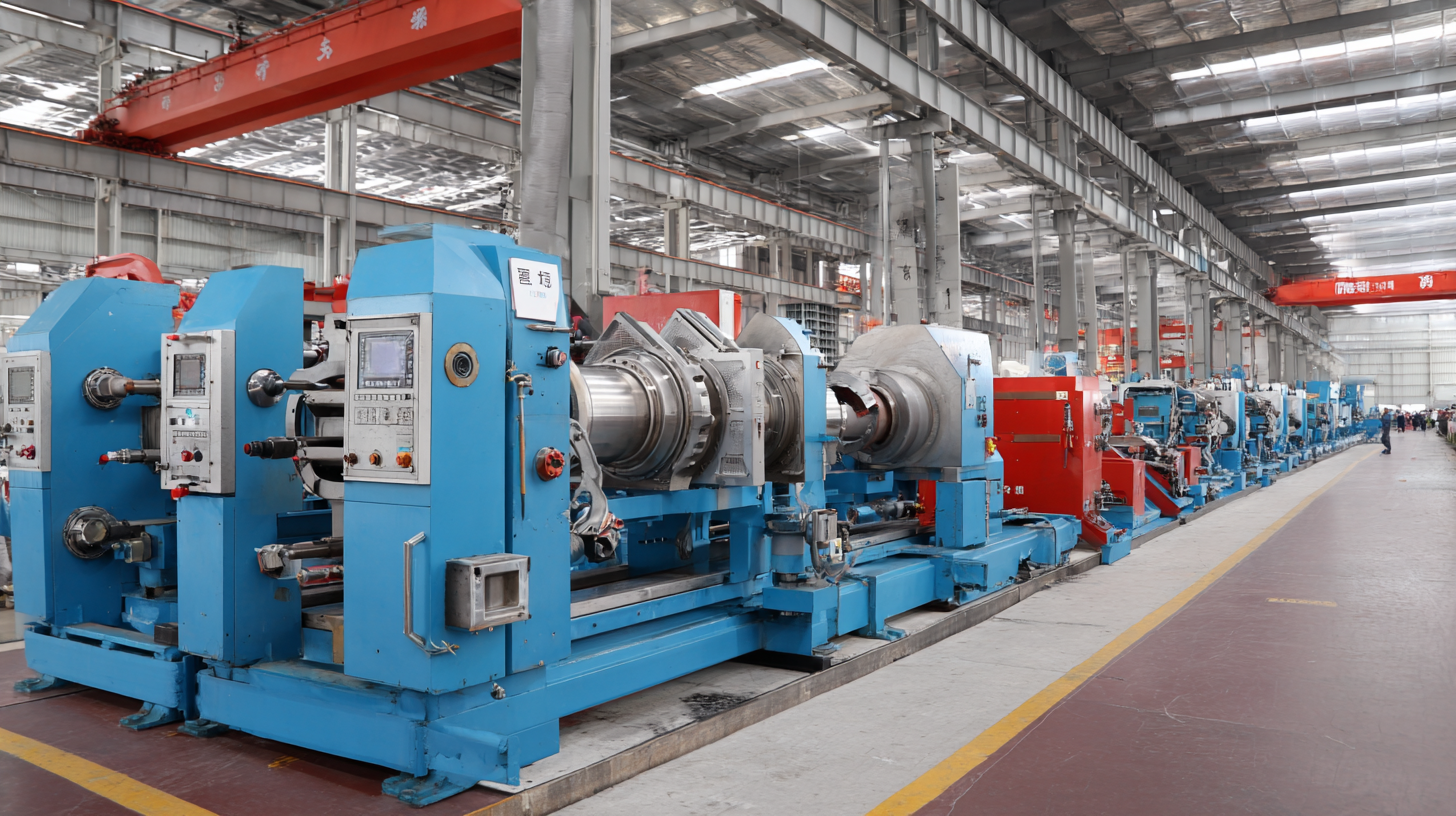
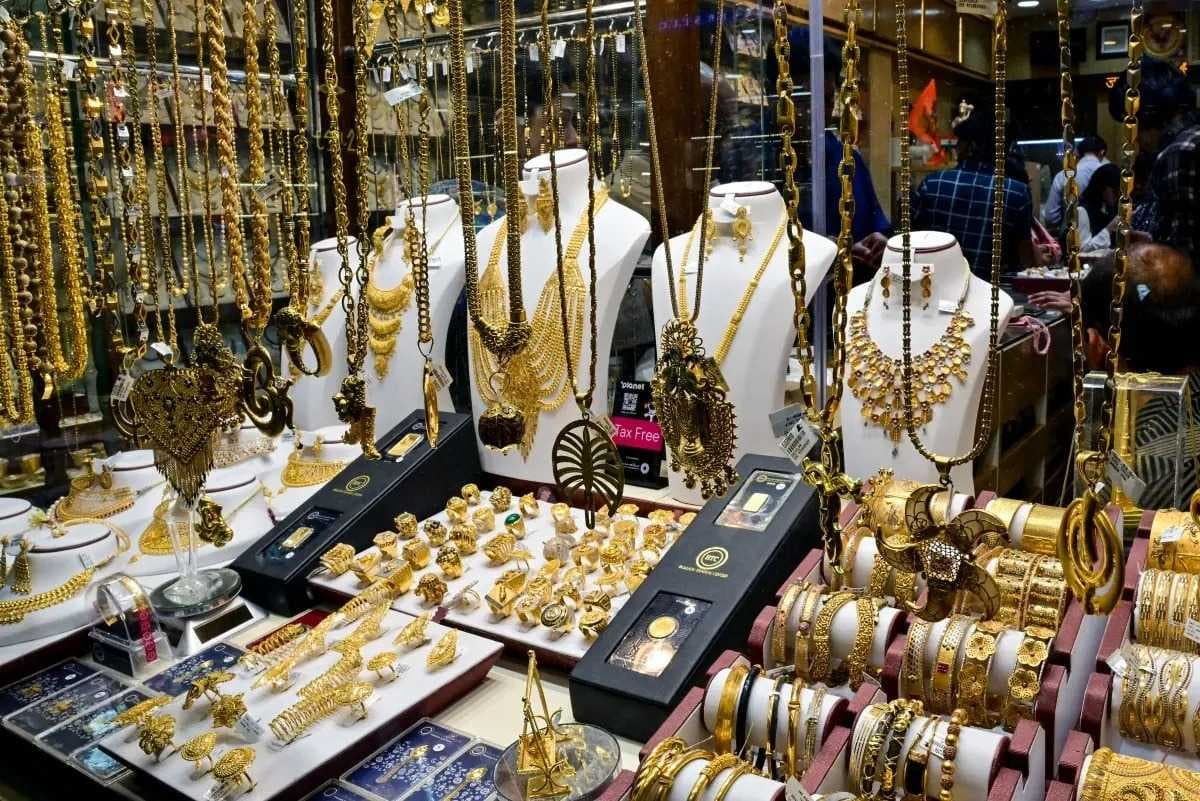
The sectors that gain under the agreement include textiles and apparel, leather and footwear, gems and jewellery, engineering goods, ceramics, carpets, automobiles and auto components, and processed food.
If you export in any of these categories to New Zealand — or have been quoting New Zealand buyers without winning the order — the FTA changes your arithmetic. Duty-free access removes the tariff gap that previously put Indian goods at a disadvantage against suppliers from countries that already had preferential access to New Zealand. Revisit your quotes. Revisit your margins. A deal that did not work in September may work in October.
Even if your product is outside this list, remember: 100% of goods exports get duty-free access. These are the highlighted gainers, not an exhaustive list.
The Caveat That Decides Everything: Benefits Are Not Automatic
This is the single most important paragraph in this article. Read it twice.
Duty benefits under the India–New Zealand FTA are NOT automatic. Your consignment does not get duty-free treatment simply because the FTA exists, or because the goods shipped after 20 October 2026. The exporter — or their authorised representative — must actively claim the preference, and that claim must be backed by a valid certificate of origin issued under the FTA's rules of origin.
In plain terms: without a certificate of origin, New Zealand Customs treats your goods as ordinary imports and applies the normal duty. The zero-duty rate exists only on paper until you present the right document.
This is where exporters lose benefits every time a new agreement starts. The shipments move, the paperwork doesn't, and the duty saving evaporates. Do not be that exporter.
Day-One Checklist
Here is the practical checklist. Get every item done before your first post-20-October shipment.
1. Certificate of origin under the FTA's rules of origin
Before anything ships, confirm that your product qualifies under the agreement's rules of origin. Rules of origin decide whether your product counts as "originating" in India — and only originating goods get the duty preference. This typically involves the product's tariff classification, the extent of processing done in India, and, for products with imported inputs, whether those inputs meet the agreement's thresholds.
Once origin is established, obtain the certificate of origin in the format the FTA requires. Do not assume a generic certificate of origin from your chamber works — the FTA's specific certification procedure is what New Zealand Customs will look for. If your freight forwarder or CHA says "we'll handle it," make them show you exactly which certificate format they will use and confirm it matches the FTA's requirement.
2. Five-year record keeping
Maintain your origin records — production details, input sourcing, supplier declarations, manufacturing process records, cost breakdowns — for five years. This is not a filing-cabinet suggestion; it is a compliance obligation. Verification requests can come long after the shipment has been delivered and paid for. If you cannot produce the records, the preference claim can be denied retrospectively, and the duty difference can come back to haunt you.
Set up the file today, not after your tenth shipment. One folder per FTA, one file per shipment, kept for five years minimum.
3. HS classification check
Confirm your product's HS code and verify the duty treatment for that specific code under the FTA. A product sitting under the wrong HS classification is the quietest way to lose a preference claim — the certificate is right, the goods are right, but the code doesn't match the agreement's commitment, and the claim fails.
If there is any ambiguity about your classification, get it settled before the shipment, not at the New Zealand port. Your CHA and your buyer's customs broker should be reading the same classification. Confirm it in writing.
4. New Zealand importer readiness
Your buyer in New Zealand is half of this transaction. Duty preference is claimed at the New Zealand end — your importer (or their customs broker) presents the claim when clearing the goods. If they do not know the FTA is live, do not know what document to present, or their broker is not set up for the new preference codes, your certificate of origin is worthless.
Before dispatch, confirm with your New Zealand importer:
- They know the India–New Zealand FTA enters into force on 20 October 2026.
- Their customs broker is aware and ready to claim the preference on arrival.
- They have agreed who provides what — you supply the certificate of origin; they handle the claim at clearance.
If your importer says "we'll figure it out at the port," stop and resolve it now. Day-one confusion at the destination is the most common reason first shipments under a new FTA pay full duty.
5. Shipment timing check
Goods must qualify under the agreement in force at the time of shipment. Confirm with your CHA that consignments leaving on or after 20 October 2026 are being processed under the FTA's entry-into-force terms. If you have goods in transit that left before 20 October, get clarity on how they are treated — do not assume.
Pharmexcil's request for consignment details for shipments going out on 19-20 October shows this timing question is live and being tracked. Whatever your sector, make sure your dispatch date and your preference claim are aligned.
What to Do This Week
- Pull your New Zealand quotes from the last six months. Recalculate with duty removed. Re-engage buyers where the numbers now work.
- Talk to your CHA today — not next week — about the FTA certificate of origin procedure and the first shipment's paperwork.
- Confirm your New Zealand importer's broker is ready for the 20 October entry into force.
- Start the five-year record file for this FTA now, with your first shipment as file number one.
- If your EPC (like Pharmexcil has for pharma) asks for consignment details, respond promptly — it helps them help you when problems surface.
Frequently Asked Questions
Q1. When does the India–New Zealand FTA actually take effect?
The agreement was signed in April 2026 and enters into force on 20 October 2026. That is the date from which its tariff commitments apply to shipments.
Q2. Do all Indian products really get duty-free access to New Zealand?
100% of Indian goods exports get duty-free access to the New Zealand market under the agreement. But the key word is "get" — the access exists in the agreement; you have to claim it with a valid certificate of origin under the FTA's rules of origin.
Q3. Is the duty benefit automatic once the FTA is live?
No. This is the most important thing to understand. Duty benefits are not automatic. The exporter must claim the preference, and the claim must be supported by a valid certificate of origin issued under the FTA's rules of origin. Without it, normal duty applies.
Q4. Which sectors benefit most from the India–NZ FTA?
Sectors gaining include textiles and apparel, leather and footwear, gems and jewellery, engineering goods, ceramics, carpets, automobiles and auto components, and processed food. These are highlighted gainers — the 100% duty-free commitment covers all goods exports.
Q5. What records do I need to keep, and for how long?
You must maintain origin-related records — production and sourcing details, supplier declarations, manufacturing process records, cost breakdowns — for five years. Keep one file per shipment; verification can be requested long after delivery.
Q6. My goods ship on 19-20 October. Anything special I should do?
Confirm with your CHA that the shipment is being processed under the FTA's entry-into-force terms, and make sure your New Zealand importer and their broker are ready to claim the preference on arrival. If you are a pharma exporter, note that Pharmexcil has asked pharma exporters to share consignment details for shipments going out on 19-20 October — respond to that request.
Q7. What is the bilateral trade target under the FTA?
The aspirational bilateral trade target is NZ$7 billion by 2030. It is a stated ambition, not a guarantee — realising it depends on exporters actually using the agreement's preferences shipment by shipment.