
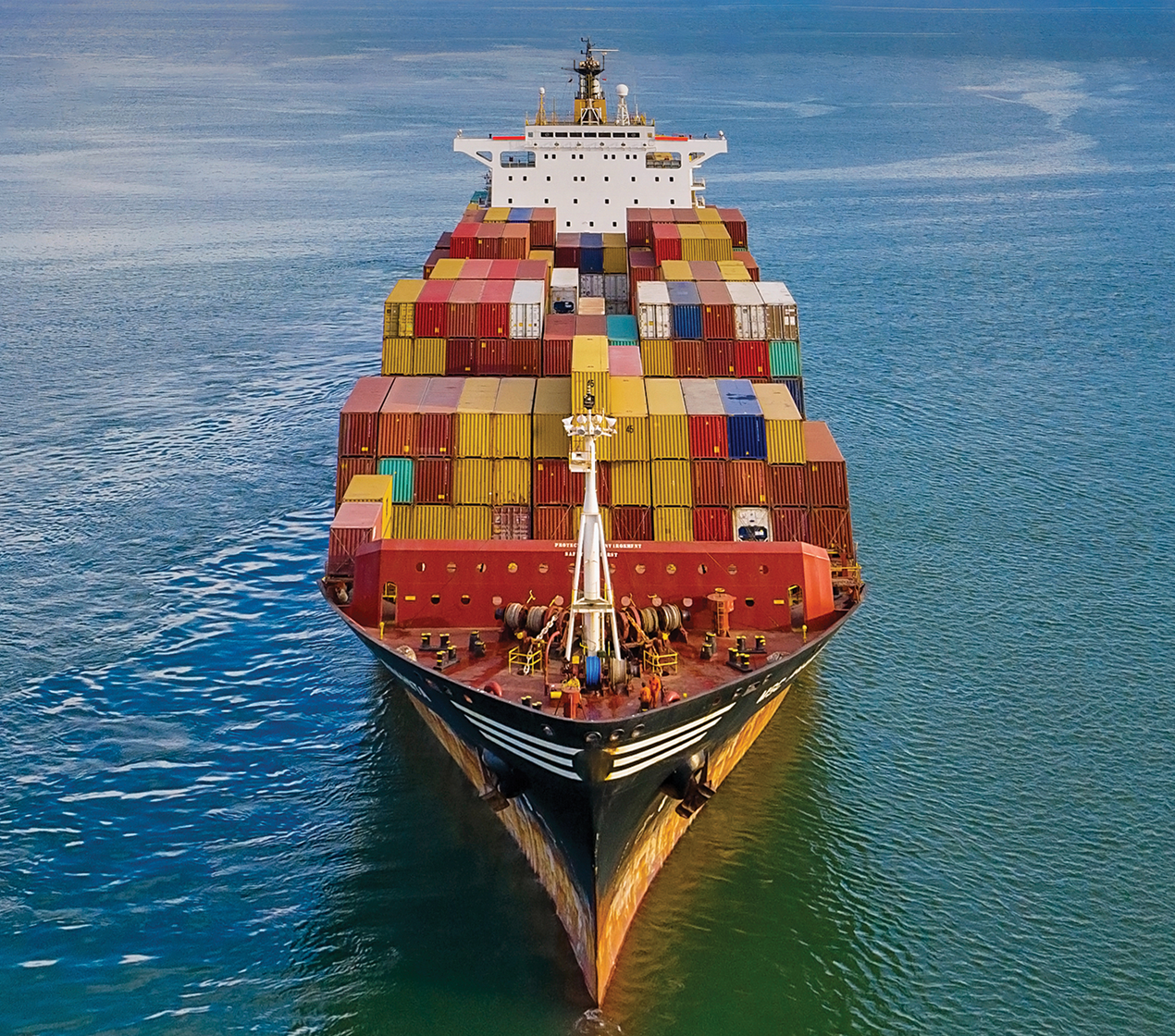
Master international shipping quote calculators with this practical 2026 guide for first-time exporters. Learn CBM formulas, volumetric weight, and freight cost breakdowns.
Mastering the mechanics of global logistics is one of the most critical steps for any growing enterprise. When you use an international shipping quote calculator, you are looking at a digital tool designed to estimate the cost of moving goods across borders based on specific parameters like weight, volume, and distance.
For first-time exporters and B2B procurement managers, understanding how freight rates are actually formulated prevents unexpected budget overruns. This comprehensive 2026 guide breaks down the math behind modern logistics, helping you optimize your supply chain from origin to destination.
Navigating international trade requires absolute precision. Whether you are sourcing components from Asia or shipping finished electronics to Europe, knowing how freight quotes are constructed empowers you to negotiate better terms and protect your profit margins.
Decoding the Shipping Quote Calculator: Essential Inputs
Before you can generate an accurate estimate using an international freight shipping calculator, you need to gather precise data about your shipment. Garbage in means garbage out; even a minor error in dimensions can skew your final transport bill by thousands of dollars.
Modern digital platforms and forwarder quotation portals typically require the following core inputs to generate a reliable price estimate:
- Origin and Destination: Exact zip codes, ports, or airports of loading and final delivery.
- Freight Mode: Ocean freight, air freight, rail, or road transport.
- Cargo Dimensions: Length, width, and height of each package or pallet.
- Cargo Weight: Gross weight of the shipment including all packaging.
- Incoterms: The agreed international commercial terms (e.g., FOB, EXW, DDP) that dictate who pays for which leg of the journey.
Having these data points ready before you begin querying an international cargo shipping calculator ensures your estimated costs align closely with the final carrier invoice.
Choosing the Right Transport Mode: FCL vs. LCL vs. Air Freight
Selecting the correct shipping method is the foundation of cost-effective logistics management. The right choice depends heavily on your cargo volume, weight, and delivery timeline.
Full Container Load (FCL)
FCL means your cargo occupies an entire shipping container (typically 20ft or 40ft) exclusively. You do not share space with other shippers.
- When to use: Ideal for large volume shipments typically exceeding 15 CBM up to the maximum capacity of a container.
- Advantages: Lower per-unit shipping costs, faster transit times with less handling, and reduced risk of cargo damage.
Less than Container Load (LCL)
LCL consolidates your cargo with shipments from other businesses inside a single container. You pay only for the exact volume your goods occupy.
- When to use: Best for smaller shipments ranging from 1 CBM to roughly 15 CBM.
- Advantages: Allows smaller businesses to import internationally without purchasing inventory by the containerload.
- Disadvantages: Higher per-unit cost than FCL and extended transit times due to consolidation and deconsolidation processes at origin and destination warehouses.
Air Freight
Air transport moves cargo via commercial airlines or dedicated cargo planes. It is the fastest, most secure, but also most expensive transport mode.
- When to use: Urgent shipments, high-value electronics, perishable goods, or time-sensitive product launches.
- Advantages: Unmatched speed (days instead of weeks) and high security.
- Disadvantages: Significantly higher pricing, strict regulatory limits on hazardous materials, and vulnerability to capacity crunches.
| Feature | FCL (Full Container Load) | LCL (Less than Container Load) | Air Freight |
|---|---|---|---|
| Ideal Volume | 15 CBM to 65+ CBM | 1 CBM to 15 CBM | Under 2 CBM / Light weight |
| Typical Transit | 20 to 45 days (Ocean) | 25 to 50 days (Ocean) | 3 to 7 days |
| Security Risk | Low (Sealed container) | Moderate (Consolidated handling) | Low |
| Cost Structure | Flat container rate | Per-CBM rate | Per-kilogram rate |
The CBM Formula: Calculating Ocean and LCL Volume
Understanding cubic meters (CBM) is vital for anyone shipping via ocean freight or LCL. CBM measures the three-dimensional space your cargo occupies inside a transport vehicle.
The standard formula used by every shipping quote calculator is:
$$\text{CBM} = \text{Length (meters)} \times \text{Width (meters)} \times \text{Height (meters)}$|
Fully Worked Numerical Example
Imagine you are exporting a batch of industrial machinery parts packed in wooden crates. You have 10 identical crates. Each crate measures 1.2 meters long, 0.8 meters wide, and 1.0 meter high.
- Calculate volume of one crate:
$$1.2\text{ m} \times 0.8\text{ m} \times 1.0\text{ m} = 0.96\text{ CBM}$$
- Multiply by total number of crates (10):
$$0.96\text{ CBM} \times 10 = 9.6\text{ CBM}$$
Your total billable volume for LCL calculation is 9.6 CBM.
What 1 CBM Means in Real Cargo Terms
To visualize 1 CBM, imagine a cube measuring 1 meter on every side. In practical terms, 1 CBM can comfortably hold roughly 200 standard shoe boxes or a standard wooden pallet stacked up to one meter high. In LCL shipping, if your cargo is less than 1 CBM, forwarders typically bill you for a minimum 1 CBM threshold.
Volumetric Weight and Chargeable Weight in Air Freight
When booking air shipments, carriers do not just look at how heavy your box is; they also care about how much physical space it takes up in the aircraft hold. This brings us to volumetric weight.
The Air Freight Formulas
An air cargo volume calculator evaluates your shipment using two different industry formulas:
- Standard Air Cargo: $\frac{\text{Length (cm)} \times \text{Width (cm)} \times \text{Height (cm)}}{6000} = \text{Volumetric Weight (kg)}$
- Express Courier (DHL/FedEx/UPS): $\frac{\text{Length (cm)} \times \text{Width (cm)} \times \text{Height (cm)}}{5000} = \text{Volumetric Weight (kg)}$
Fully Worked Numerical Example
Suppose you are shipping a carton of lightweight plush toys via standard air cargo. The box measures 80 cm long, 50 cm wide, and 60 cm high. Its actual gross scale weight is 25 kg.
- Calculate Volumetric Weight:
$$\frac{80 \times 50 \times 60}{6000} = \frac{240,000}{6000} = 40\text{ kg}$$
- Determine Chargeable Weight:
Carriers always bill the greater of actual weight versus volumetric weight.
- Actual Weight: 25 kg
- Volumetric Weight: 40 kg
- Chargeable Weight: 40 kg
Even though your toys only weigh 25 kg on a scale, you will be charged for 40 kg because the bulky boxes take up space that could otherwise hold denser cargo.
Anatomy of a Freight Quote: Every Cost Component Explained
When you receive an international freight quote, it is rarely a single lump sum. Professional forwarders itemize quotes to maintain transparency. Understanding each line item protects you from unexpected destination fees.
- Base Ocean or Air Freight: The core charge levied by the carrier to move the container or cargo from port to port (or airport to airport).
- Fuel Surcharges (BAF - Bunker Adjustment Factor): Fluctuating fees added to offset changes in international bunker fuel prices.
- Terminal Handling Charges (THC): Fees charged by port operators for moving cargo within the terminal, loading, and unloading vessels.
- Documentation Fees: Administrative costs for issuing Bills of Lading (B/L), Air Waybills (AWB), and exporter declarations.
- Customs Clearance Fees: Charges paid to licensed customs brokers to clear your goods through import/export regulatory checks.
- Cargo Insurance: Premium paid to protect your commercial goods against loss, theft, or physical damage in transit.
- Inland Haulage / Pickup: The cost of trucking your goods from your factory floor to the origin port, and from the destination port to your final warehouse.
How to Request a Real Quote from Freight Forwarders
Digital calculators are fantastic for early-stage budgeting, but closing a transaction requires a binding, formal quotation from a licensed freight forwarder or logistics provider. To get an accurate, fast response without endless back-and-forth emails, prepare a comprehensive Request for Quote (RFQ) containing the following details:
- Exact Commodity Description: What are you shipping? Are there batteries, liquids, or hazardous materials involved?
- Packaging Specifications: Are goods packed in cartons, on wooden pallets, or in crates? Are pallets stackable?
- Incoterms Selection: Clearly state whether you need EXW, FOB, CIF, or DDP pricing.
- Target Delivery Window: Ready date at origin and required delivery date at destination.
- Specific Services Required: Do you need export customs clearance, destination warehousing, or special temperature-controlled trucking?
7 Practical Tips to Cut International Freight Costs
Logistics expenses can erode profit margins quickly if left unmanaged. Savvy exporters implement strategic tactics to keep transportation budgets lean.
- Optimize Packaging Efficiency: Eliminate dead air inside boxes. Redesigning packaging dimensions can drastically reduce volumetric weight in air shipments and increase CBM utilization in ocean containers.
- Consolidate Smaller Shipments: Instead of booking multiple fragmented LCL shipments each month, batch your orders into a single, larger FCL shipment when volume permits.
- Book Well in Advance: Spot rates fluctuate wildly. Booking space 2 to 4 weeks ahead of cargo readiness locks in more stable contract rates.
- Compare Multiple Forwarders: Never rely on a single logistics partner. Request quotes from at least three different verified forwarders through B2B marketplaces.
- Review Incoterms Carefully: Buying everything EXW places high inland transport costs on your shoulders. Negotiating FOB or FCA terms often grants you better control over origin charges.
- Avoid Demurrage and Detention: Ensure your destination customs paperwork is filed early so containers clear ports before free-time expires, avoiding hefty daily storage penalties.
- Leverage Digital B2B Platforms: Use verified sourcing and shipping networks like Today Adviser to connect directly with transparent suppliers and logistics coordinators.
Frequently Asked Questions
How is air freight charged?
Air freight is charged based on the chargeable weight of the shipment. Forwarders calculate both the actual gross weight in kilograms and the volumetric weight (derived from cargo dimensions divided by 6000). The carrier bills whichever of these two numbers is higher.
What is chargeable weight?
Chargeable weight is the metric used by transport operators to calculate freight costs. It represents either the actual physical scale weight or the volumetric space weight of the cargo, selecting the greater of the two values to ensure fair compensation for aircraft or vessel space.
How many CBM fit in a 20ft container?
A standard 20-foot dry van ocean container has a total internal volume of roughly 33 CBM. However, due to pallet overhang, irregular cargo shapes, and packing constraints, usable loading space is typically around 25 to 28 CBM in real-world operating conditions.
Why do quotes differ between freight forwarders?
Quotes vary because forwarders maintain different carrier contracts, volume discounts, and regional agent networks. Additionally, some quotes include all-inclusive door-to-door fees, while others exclude destination terminal handling and customs clearance charges.
What is the difference between FCL and LCL?
FCL (Full Container Load) means your goods occupy an entire shipping container exclusively, offering lower per-unit costs and faster transit. LCL (Less than Container Load) pools your cargo with other businesses inside a shared container, making it ideal for smaller volumes under 15 CBM.
Are terminal handling charges included in base freight?
Typically, no. Base ocean or air freight usually covers only port-to-port or airport-to-airport transit. Terminal handling charges (THC), documentation fees, and inland trucking are frequently billed as separate line items on a comprehensive logistics invoice.
How can I calculate volumetric weight for express couriers?
Express couriers like DHL, FedEx, and UPS use a different dimensional divisor than standard air cargo. You multiply length, width, and height in centimeters and divide the total product by 5000 instead of 6000 to determine the chargeable weight.
What should I do if my cargo dimensions change after booking?
Always notify your freight forwarder immediately if your final packing dimensions or weights change. Discrepancies between your initial booking and actual warehouse intake measurements result in weight-adjustment re-invoicing and potential customs clearance delays.
Conclusion and Next Steps
Calculating international freight costs does not have to be an opaque guessing game. By mastering the CBM formula, understanding volumetric weight principles, and evaluating every line item in your transport quote, you can take total control of your global supply chain expenses.
Ready to source verified products and compare transparent logistics options for your next import or export venture? Post your specific trade requirements or connect directly with vetted global suppliers and export specialists on Today Adviser today.