India's marine exports run on shrimp — a 2026 guide to MPEDA registration, EU and US compliance, cold chain, and the buyers sourcing from India.
Frozen shrimp is the backbone of India's marine exports, and it has made India one of the world's largest seafood exporters. Vannamei shrimp from farms in Andhra Pradesh and Tamil Nadu, along with wild-caught fish, squid and cuttlefish, travel in refrigerated containers to the United States, China, Europe, Japan and Vietnam. For a buyer, the opportunity is real — but so is the compliance burden. A shipment can be held or rejected for a missing catch certificate, a residue failure, a labelling error or a broken cold chain, even when the product itself is good.
This guide explains how marine products exports from India work in 2026 — the export basket, MPEDA registration, EU and US compliance, cold-chain essentials, the markets that pay best, and how to verify a supplier before placing an order. Prices quoted here are indicative only; shrimp and fish prices move with harvests, disease reports, freight and currency, so always verify live prices with current quotations.
India's marine export basket
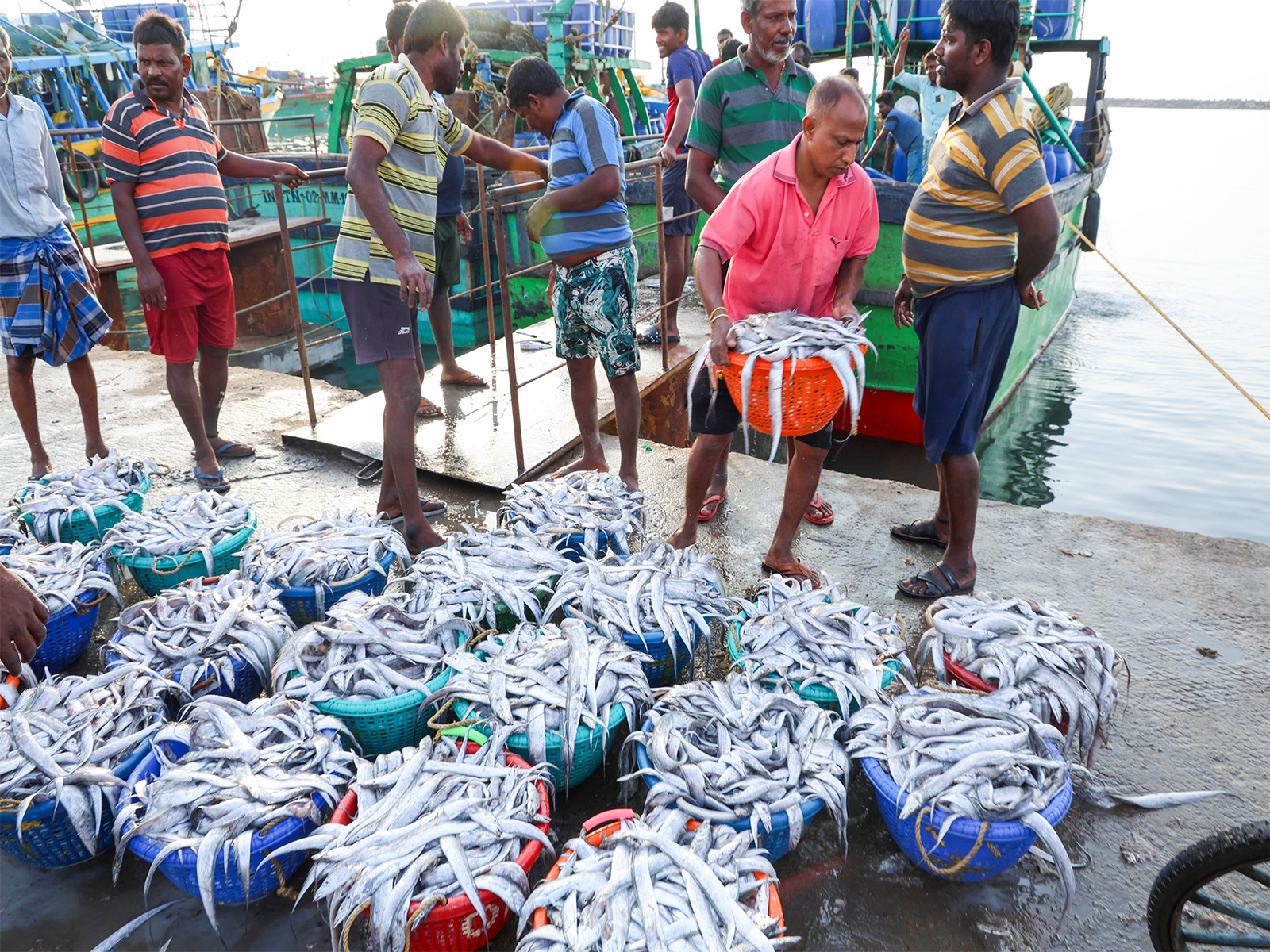
Frozen shrimp dominates India's marine exports by value, most of it farmed Litopenaeus vannamei, sold headless, shell-on, peeled or as value-added products such as breaded shrimp and ready-to-cook packs. Black tiger shrimp is a smaller, premium line. Around it sits a wide basket: frozen fish (including ribbon fish, pomfret and tuna), squid, cuttlefish, octopus, and dried and live products for niche markets.
The structure matters for buyers. Shrimp is a farm product, so supply, size grading and price follow farming cycles and disease conditions in the coastal states. Wild-caught fish and cephalopods follow seasons and quotas. A buyer who understands which part of the basket is in season, and which sizes are available, negotiates better and waits less. Ask for the size count — such as 16/20 or 21/25 pieces per pound for shrimp — because size is the main price driver after species and form.
MPEDA registration and export procedures
The Marine Products Export Development Authority (MPEDA), under the Ministry of Commerce and Industry, is the nodal agency for marine exports. Exporters must register with MPEDA, and processing plants, cold storages, fishing vessels and pre-processing units must be registered or approved as applicable. MPEDA also runs quality control laboratories, supports hatcheries and farms, and promotes Indian seafood overseas.
In practice, exporting marine products involves: an Importer Exporter Code (IEC) from DGFT, MPEDA registration, and registration of the processing establishment with the Export Inspection Council (EIC) where required. The plant must follow a HACCP-based food safety system, and each consignment is tested and certified before shipment. Health certificates, catch certificates for EU-bound wild-caught fish, and certificates of origin accompany the shipment as the destination requires.
For a buyer, the first check is whether the supplier's plant is an approved establishment for your market. An Indian plant approved for the EU is listed by the European Commission; a plant supplying the US must be registered with the US FDA. Ask for the approval or registration numbers and verify them — a genuine exporter provides them without hesitation.
EU compliance: catch certificates, HACCP and approved establishments
The European Union is a demanding but high-value market for Indian seafood, and its rules are specific.
Catch certificates. Under the EU's illegal, unreported and unregulated (IUU) fishing rules, wild-caught fish entering the EU must be accompanied by a catch certificate validated by the flag state, proving the catch was legal. Farmed shrimp is not subject to the same catch-certificate regime, but traceability back to the farm or pond is still expected. Buyers should confirm that the catch certificate, where required, is in order before the vessel sails.
HACCP and approved establishments. EU-bound products must come from establishments approved by the European Commission and listed for the purpose. The plant must operate a HACCP system covering receiving, processing, freezing and storage, with controls for histamine in susceptible fish, microbiological hazards and chemical residues.
Residues and contaminants. The EU enforces limits on veterinary drug residues, including banned antibiotics such as nitrofurans and chloramphenicol, and tests consignments at the border. A single residue failure can lead to rejection and increased checks on future shipments from the same exporter. Buyers should require a certificate of analysis from an accredited laboratory for each lot, covering antibiotics, heavy metals and microbiology.
US compliance: FDA, SIMP and Turtle Excluder Devices
FDA. The US Food and Drug Administration regulates imported seafood under its HACCP-based rules. Foreign processing facilities must register with the FDA, and importers must verify that their suppliers meet US food safety standards. The FDA detains shipments that fail residue, microbiological or labelling checks, and repeat failures can put a supplier on an import alert.
NOAA SIMP. The Seafood Import Monitoring Program, run by the National Oceanic and Atmospheric Administration, requires importers of certain species to report harvest and landing data to combat IUU fishing and seafood fraud. Shrimp and other covered species need traceability records from harvest to entry. Buyers should confirm that the exporter can supply the traceability data SIMP requires.
Turtle Excluder Devices (TEDs). US law restricts imports of wild-caught shrimp harvested in ways that harm sea turtles. Shrimp must be harvested with TEDs or under a certified turtle-safe programme. Farmed shrimp is not subject to the TED requirement in the same way, but buyers should still confirm the harvest method and the documentation that supports it.
Cold chain and reefer logistics
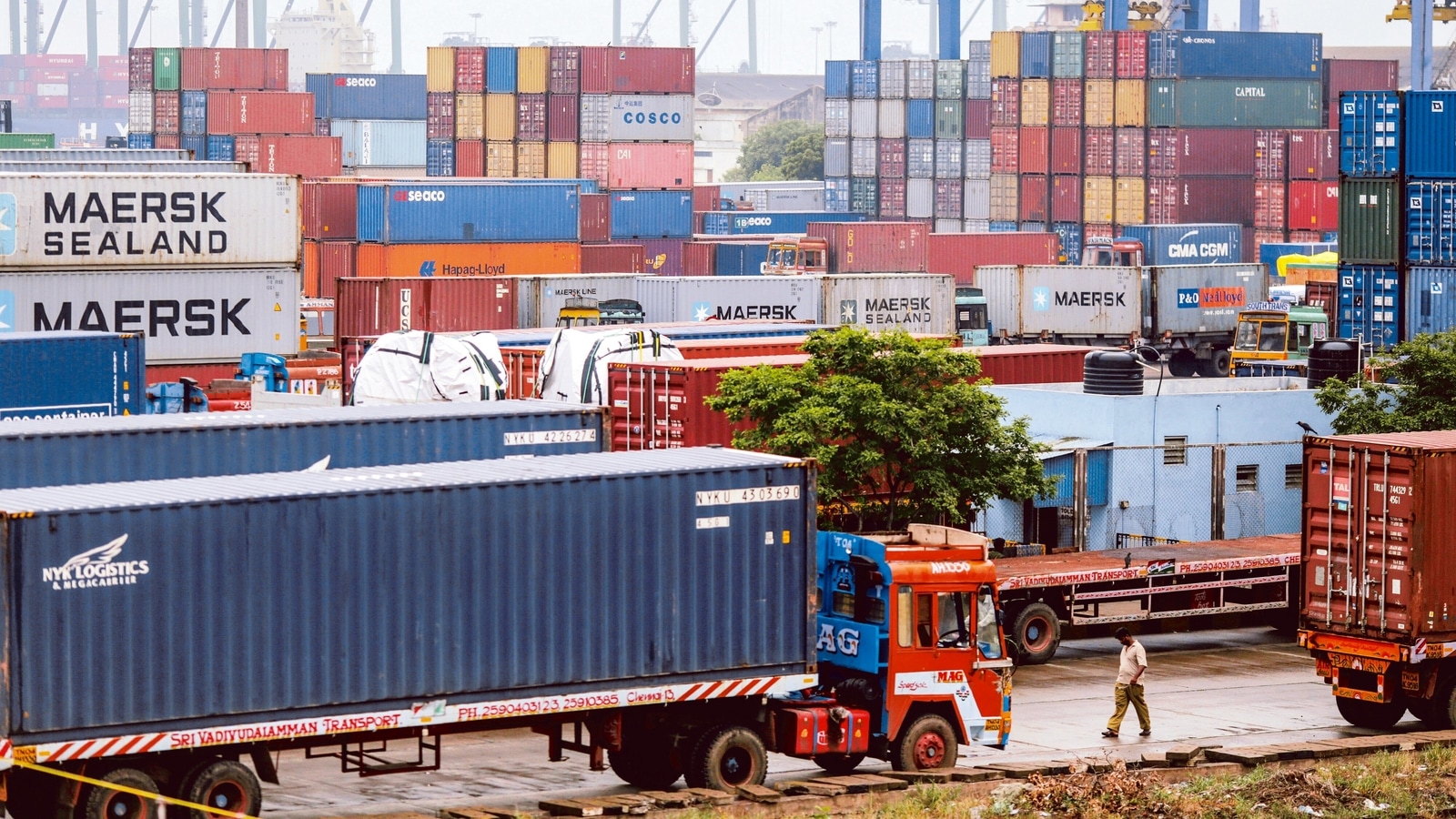
Seafood is unforgiving about temperature. The cold chain starts at the farm or landing centre, runs through the processing plant's blast freezers and cold stores, and continues in refrigerated containers to the destination port. Core product temperature should be held at -18°C or below for frozen products, and the chain must not be broken at any handover.
Buyers should specify the freezing method (individually quick frozen or block frozen), glaze percentage, net weight after de-glazing, and the container temperature and data-logger requirements in the contract. Ask for the temperature log on arrival, and reject or claim on any shipment where the log shows a sustained breach. Chilled, fresh products need even tighter control and are usually flown, not shipped by sea.
Packing is typically in master cartons of 10 kg, with inner retail packs for branded products. Labelling must state the species, scientific name where required, net weight, country of origin, production or best-before date, lot number, and the plant's approval number, plus destination-specific information such as nutrition facts and allergen statements.
Top buyer markets
United States. The largest market for Indian shrimp, buying peeled and value-added products for retail and food service. US buyers pay for consistency, size uniformity and full FDA and SIMP documentation. Price sensitivity is high, but reliable suppliers hold long-term contracts.
China. A large buyer of frozen shrimp, squid and fish, often for re-processing. Volumes are high and buying is price-driven, with frequent changes in demand. Payment terms and inspection before shipment matter more here than in any other market.
European Union. A quality-first market that pays premiums for certified, traceable products from approved establishments. Germany, the Netherlands, France and Spain are among the main destinations. Compliance costs are higher, but so are margins for suppliers who meet the standards.
Japan. A premium market for shrimp, squid and cuttlefish, with exacting quality expectations on size, appearance and taste. Japanese buyers often work through long-term relationships and inspect thoroughly.
Vietnam. A major buyer of Indian shrimp and raw material for re-processing and re-export, with strong price competition and a preference for established trading relationships.
Pricing: how to read indicative quotes
Marine product prices are set by species, size count, form (headless, peeled, cooked), glaze, and the farming or catch season. As a rough, indicative guide, smaller shrimp sizes are cheaper per kilogram than large sizes, and value-added products command a premium over raw block-frozen shrimp. These are indicative figures only — do not use them to budget an order. Always request a live quotation stating species, size, form, glaze, packing, Incoterm and port of loading, and confirm the specification in writing.
Payment terms are usually a letter of credit or documents against payment for first orders, with advance payment for smaller trial orders. Use a letter of credit for larger orders until the relationship is proven, and always arrange a pre-shipment inspection by a recognised agency.
How buyers verify a genuine supplier
Start with the basics: MPEDA registration, an IEC, GST registration, and a verifiable processing plant address. Then ask for market-specific proof — EU approval listing, FDA facility registration, recent certificates of analysis from an accredited laboratory, and customer references in your market. Visit the plant, or have it audited, before committing to a large order: check the blast freezers, cold stores, water and ice quality, and the laboratory.
Ask for samples from the same lot you will receive, and compare the sample with the shipment on arrival — size, glaze, colour and smell. If a supplier cannot produce test reports, resists inspection, or offers a price far below the market without a credible explanation, walk away. In seafood, a cheap shipment that is detained at the border is the most expensive shipment of all.
Frequently asked questions
What is MPEDA and why does it matter to buyers? MPEDA is India's nodal agency for marine exports. It registers exporters and supports quality, farming and promotion. A registered exporter working from an approved plant is the baseline for a safe purchase.
Which marine product does India export most? Frozen shrimp, mainly farmed vannamei, dominates by value, followed by frozen fish, squid and cuttlefish.
What is a catch certificate? An EU document, validated by the flag state, proving wild-caught fish was legally caught. It is required for wild-caught fish entering the EU under the IUU regulation.
What is SIMP? The US Seafood Import Monitoring Program, which requires importers of certain species to report harvest and landing data to combat illegal fishing and seafood fraud.
Why is the cold chain so important for seafood? Because temperature abuse causes rapid quality loss and food safety risk. Frozen seafood must stay at -18°C or below from plant to destination, with temperature logs to prove it.
How can I check a marine exporter's credentials? Ask for MPEDA registration, EU approval or FDA registration numbers, recent test reports, customer references and a pre-shipment sample, and arrange a third-party inspection of the first order.
India's marine exports reward buyers who combine market knowledge with disciplined verification. Choose the right species and size, insist on approved plants and proper testing, protect the cold chain, and verify before you pay.