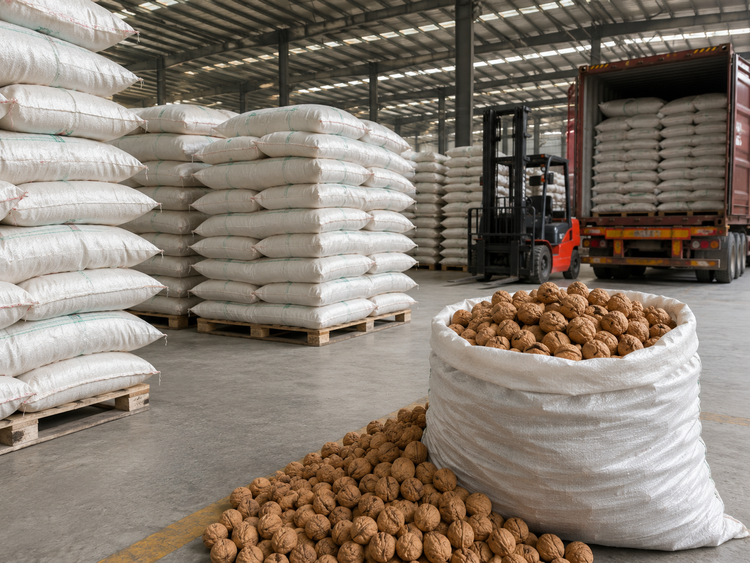
A comprehensive guide to pre-shipment inspection and EIC certification for Indian exporters in 2026. Learn mandatory versus voluntary pathways, third-party inspection processes, costs, and key tips to pass audits seamlessly.
A pre-shipment inspection export India mandate ensures that goods manufactured for international markets meet rigorous quality, safety, and regulatory benchmarks prior to dispatch. Depending on the product category, inspection in India is either statutory—governed by the Export Inspection Council (EIC) under the Ministry of Commerce and Industry—or contractual, stipulated by foreign buyers through private third-party inspection (TPI) agencies like SGS, Bureau Veritas, or Intertek.
Navigating pre-shipment inspection (PSI) requires a precise understanding of the Export (Quality Control and Inspection) Act, 1963, international Acceptable Quality Limit (AQL) sampling standards, and strict sanitary and phytosanitary (SPS) compliance. Failing an inspection can lead to shipment rejections, cancelled Letters of Credit (L/Cs), blacklisting by regional authorities, and severe financial losses.
This guide breaks down mandatory versus voluntary inspection pathways, the operations of the Export Inspection Council and its network of Export Inspection Agencies (EIAs), commercial third-party inspection mechanisms, fee benchmarks, and the operational steps required to secure inspection clearance on the first attempt.
Mandatory vs. Voluntary Pre-Shipment Inspection
Quality control in cross-border trade operates across two regulatory regimes: legal compliance enforced by the exporting or importing government, and commercial compliance required by international buyers.
                                 [Export Shipment]
                                         │
                    ┌────────────────────┴────────────────────┐
                    ▼                                         ▼
         [Mandatory / Statutory]                   [Voluntary / Commercial]
                    │                                         │
       Governed by EIC / Customs / DGFT             Governed by Buyer Contract / L/C
                    │                                         │
       • Export Act, 1963 Notified Goods            • Third-Party Inspection (TPI)
       • Food, Marine, Dairy, Chemicals             • AQL Sampling (ISO 2859-1)
       • Certificate of Inspection (CoI)            • Inspection Certificate / CRF
Mandatory (Statutory) Inspection
Mandatory pre-shipment inspection is enforced by the Government of India through the Export Inspection Council (EIC) and its regional operational arms, the Export Inspection Agencies (EIAs). Established under the Export (Quality Control and Inspection) Act, 1963, this statutory mandate empowers the central government to notify specific commodities that cannot legally cross Indian customs without an official Certificate of Inspection (CoI) or an EIA-issued Health/Sanitary Certificate.
Statutory inspection is triggered under three main conditions:
- Notified Commodities: Commodities officially notified under Section 6 of the Act (e.g., seafood, egg products, dairy products, basmati rice destined for sensitive markets).
- Destination Country Mandates: Importing nation regulations that require Indian authorities to certify processing establishments and consignments (e.g., European Union requirements for marine and poultry consignments, or US FDA-aligned foreign supplier verification protocols).
- Bilateral Agreements: Government-to-Government (G2G) Protocols where India’s Ministry of Commerce signs mutual recognition agreements requiring pre-export testing for specific residues, aflatoxins, or industrial parameters.
Exporters attempting to clear notified products through Indian Customs without an EIA inspection certificate face immediate port detention, confiscation of cargo, and cancellation of their Importer-Exporter Code (IEC).
Voluntary (Buyer-Mandated) Inspection
Voluntary or contractual pre-shipment inspection is not required by Indian customs law, but it is made non-negotiable by the international buyer within the sales contract, Purchase Order (PO), or documentary Letter of Credit (L/C). Even when a product is entirely exempt from EIC regulations (such as readymade garments, precision engineering spares, automotive components, consumer electronics, or lifestyle goods), buyers routinely mandate pre-shipment verification.
In these cases, buyers nominate international independent inspection agencies to verify that the consignment matches technical specifications, functional criteria, cosmetic tolerances, and packaging guidelines before the release of the final commercial invoice and bill of lading.
The EIC and EIA Regulatory Architecture
The Export Inspection Council operates as the apex advisory and administrative body to the Ministry of Commerce and Industry. Headquartered in New Delhi, the EIC oversees five regional Export Inspection Agencies located across India:
- EIA Mumbai: Covering Maharashtra, Gujarat, Goa, Madhya Pradesh, and parts of Western India.
- EIA Kolkata: Covering West Bengal, Odisha, Bihar, Jharkhand, and the Northeastern states.
- EIA Kochi: Covering Kerala, Karnataka, Lakshadweep, and regional maritime belts.
- EIA Chennai: Covering Tamil Nadu, Andhra Pradesh, Telangana, Puducherry, and the Andaman & Nicobar Islands.
- EIA Delhi: Covering Northern agricultural and manufacturing zones, including Punjab, Haryana, Uttar Pradesh, Rajasthan, and Himachal Pradesh.
These agencies run a network of sub-offices, port laboratories, and EIC-approved commercial testing facilities capable of advanced testing for pesticide residues, heavy metals, drug residues, mycotoxins, and microbiological pathogens.
                         [Ministry of Commerce & Industry]
                                         │
                         [Export Inspection Council (EIC)]
                                  (Apex / Policy)
                                         │
      ┌──────────────┬──────────────┬────┴─────────┬──────────────┐
      ▼              ▼              ▼              ▼              ▼
  EIA Mumbai    EIA Kolkata     EIA Kochi     EIA Chennai      EIA Delhi
  (West Zone)   (East Zone)    (South-West)   (South-East)    (North Zone)
      │              │              │              │              │
      └──────────────┴──────────────┼──────────────┴──────────────┘
                                    ▼
                  [Field Sub-Offices & NABL Testing Labs]
                                    ▼
              [Consignment Clearance / Facility Approval]
Core Inspection Schemes Operated by EIC/EIA
The EIC conducts quality control through two primary operational schemes:
1. Consignment-Wise Inspection (CWI)
Under Consignment-Wise Inspection, each export lot must be physically examined, sampled, and tested by an EIA inspector prior to export. The exporter submits an application on the e-EIC digital platform, after which an official visits the warehouse or cold storage, draws representative samples according to statutory sampling tables, applies analytical seals, and dispatches the samples to an EIA or EIA-approved NABL laboratory. The CoI is issued only after analytical reports confirm full compliance.
2. Food Safety Management System (FSMS) / In-Process Quality Control (IPQC)
For high-volume manufacturing sectors, consignment-by-consignment physical testing is impractical. Under FSMS-based facility approval, processing units are audited, approved, and assigned an official plant approval number (e.g., required for European Union export eligibility). Once a processing plant is approved under FSMS, it operates under an accredited self-certification or monitored-release protocol, subject to scheduled supervisory audits, hazard analysis critical control point (HACCP) verification, and periodic random testing by EIA officers.
Key Notified Commodities Under Mandatory EIC Schemes
Fish and Fishery Products
Processed, chilled, frozen, and value-added marine products are strictly regulated under the Export of Fresh, Frozen and Processed Fish and Fishery Products (Quality Control and Inspection and Monitoring) Rules. Marine processing facilities must secure comprehensive EIA plant approval covering water quality, ice purity, cold-chain integrity, histamine monitoring, and antibiotic residue monitoring (specifically chloramphenicol and nitrofuran metabolites).
Milk and Milk Products
Covers skimmed milk powder (SMP), whole milk powder, ghee, butter, and casein. Inspection focuses on microbiological parameters (Salmonella, Listeria, Staphylococcus aureus), aflatoxin M1, synthetic adulterants, and heavy metal limits. The facility must demonstrate traceability to dairy farm procurement networks.
Poultry and Egg Products
Encompasses liquid egg, frozen egg, and whole egg powder. Consignments undergo exhaustive scrutiny for avian influenza indicators, salmonella serotypes, pesticide residues, and veterinary drug residues.
Honey and Apiculture Products
Regulatory regimes focus on checking honey for foreign sugars (C3 and C4 sugar manipulation, rice syrup, beet syrup via LC-IRMS and EA-IRMS testing), along with antibiotics and lead contamination.
Basmati Rice (Exported to the EU, UK, and Specific Global Jurisdictions)
Requires inspection, sampling, and analytical testing to verify authentic DNA varieties (preventing ad-mixing of non-basmati varieties) and ensure compliance with strict Maximum Residue Limits (MRLs) for fungicides such as Tricyclazole and Buprofezin.
Industrial & Non-Food Notified Commodities
Beyond agro-food sectors, statutory EIC regimes apply to specific engineering components, industrial fasteners, minerals, animal casings, and chemical commodities intended for specialized global applications.
Buyer-Mandated Third-Party Inspection (TPI)
When exporting products that fall outside EIC-notified categories—or when international buyers require verification beyond statutory clearances—commercial Third-Party Inspection agencies step in.
[Buyer issues PO & Quality Spec]
             │
             ▼
[Exporter books TPI via Portal (SGS, Intertek, BV)]
             │
             ▼
[Inspection Protocol confirmed (AQL, Checkpoints, Packaging)]
             │
             ▼
[Inspector visits factory: 80-100% production + 100% packaging complete]
             │
             ▼
[Physical, Functional, Visual, & Packaging Testing carried out]
             │
             ▼
[Pass] ──► [Inspection Certificate Issued] ──► [L/C Released & Cargo Dispatched]
  │
  └──────► [Fail: Discrepancy Notice Issued] ──► [Rework, Re-test, or Buyer Waiver]
The Global TPI Agency Landscape
The Indian export ecosystem relies heavily on international accredited testing, inspection, and certification (TIC) providers:
- SGS India: Heavily utilized for consumer goods, textiles, agricultural commodities, minerals, and complex supply chain logistics audits.
- Bureau Veritas (BV): Dominant in apparel, softlines, electrical equipment, automotive components, and heavy engineering inspections.
- Intertek: Widely selected for fast-moving consumer goods (FMCG), footwear, hardlines, toys, chemical assays, and social compliance audits.
- TÜV SÜD / TÜV Rheinland: Preferred by European buyers for mechanical integrity, industrial equipment, CE marking compliance, and functional electronics safety.
- Cotecna & Control Union: Frequently appointed for bulk agricultural commodities, grains, organic verification, and mineral consignments.
Engaging a Commercial TPI Agency
Engaging a third-party inspection agency requires systematic operational alignment:
- Contractual Insertion: The buyer and exporter must define the inspection scope within the commercial contract and Letter of Credit (e.g., “Inspection by SGS India at manufacturer premises; Clean Report of Findings required for L/C negotiation”).
- Request for Service (RFS): Either the buyer logs an inspection order directly from their overseas office, or the exporter files a booking request on the agency’s client portal at least 5 to 7 working days before the scheduled container stuffing date.
- Documentation Handover: The exporter provides the inspection agency with an approved Purchase Order, master technical drawing, approved production golden sample (if applicable), packaging manual, and specific testing protocols.
- Readiness Threshold: Most TPI contracts require that at least 100% of the production run is finished and at least 80% is fully packed into export outers before the inspector arrives on site. If an inspector arrives and finds the lot incomplete, an “Abortive Visit” charge is billed to the responsible party.
Comparison: Statutory EIC vs. Commercial Third-Party Inspection
The following matrix illustrates the structural differences between statutory government quality control and private commercial inspections:
| Parameter | Export Inspection Council (EIC / EIA) | Commercial TPI (SGS, BV, Intertek, etc.) |
|---|---|---|
| Underlying Authority | Export (Quality Control & Inspection) Act, 1963; Government of India | Contractual law; Buyer PO requirements; ICC rules under UCP 600 |
| Primary Purpose | Legal compliance, national brand protection, SPS protocol satisfaction | Commercial verification, aesthetic/functional compliance, buyer risk reduction |
| Application Scope | Mandatory for notified commodities; voluntary for select self-certification schemes | Discretionary; dictated entirely by commercial buyer contracts |
| Issuing Document | Certificate of Inspection (CoI) / Official Health Certificate | Certificate of Inspection (CoI), Inspection Certificate, or Clean Report of Findings (CRF) |
| Sampling Standard | Statutory schedules or EIC-prescribed lot size matrices | International statistical tables (ISO 2859-1 / ANSI/ASQ Z1.4 AQL) |
| Customs Clearing Power | Directly connected via ICEGATE; Indian Customs will block uncertified notified items | Customs does not enforce; bank requires document to honour Letter of Credit |
| Laboratory Testing Focus | Public health, heavy metals, pesticides, antibiotics, adulteration, micro-pathogens | Buyer specifications, dimensional checks, finish, performance, packaging resilience |
| Execution Cost | Set by government fee schedules; ad-valorem or standard nominal charges | Private market rates; billed on a Man-Day or per-container basis |
| Typical Turnaround | 3 to 7 working days (subject to lab test incubation periods) | 24 to 48 hours for physical report; 3 to 5 days if lab assays are ordered |
Step-by-Step Pre-Shipment Inspection Workflow
Whether completing an EIA statutory clearance or an international commercial inspection, the workflow follows six distinct operational stages:
[Step 1: Booking & Document Submission]
         │ (PO, Spec sheets, Golden Samples, Packing lists)
         ▼
[Step 2: Sampling Plan Determination]
         │ (ISO 2859-1 / ANSI/ASQ Z1.4 Level II General Inspection)
         ▼
[Step 3: On-Site Physical & Workmanship Verification]
         │ (Visual, Dimensional, Barcode, Drop-test, Odour, Weight)
         ▼
[Step 4: Specialized Laboratory Testing]
         │ (Chemical, Microbiological, Tensile, Flammability, MRLs)
         ▼
[Step 5: Container Stuffing Supervision & Sealing]
         │ (Pre-loading container integrity, desiccant count, tamper seal)
         ▼
[Step 6: Issuance of CoI / Final Report]
           (Uploaded to ICEGATE / Dispatched for L/C Negotiation)
Step 1: Pre-Booking and Document Submission
The exporter logs into the designated portal (e-EIC for government clearance, or the inspection agency's proprietary portal for private audits) to schedule the audit. The submission package must include:
- Commercial Invoice and Detailed Packing List (including gross, net, and tare weights).
- Production batch records, internal factory Quality Assurance (QA) pass sheets, and raw material certificates.
- Purchase specifications, technical CAD drawings, and specific testing guidelines.
- Specific shipping marks, carton markings, and barcode numbers.
Step 2: Sampling Plan Determination
Inspectors do not examine 100% of an export order due to time and cost constraints. Instead, they apply internationally recognized statistical sampling models—most commonly ISO 2859-1 / ANSI/ASQ Z1.4, categorized by Acceptable Quality Limit (AQL) tables.
Under General Inspection Level II (the international default):
- A batch size of 3,201 to 10,000 units yields a sample size code letter "L", dictating that the inspector draw 200 units randomly across multiple cartons.
- Under a standard AQL of Critical: 0, Major: 2.5, Minor: 4.0:
- Critical Defects (safety hazard, legal breach): 0 permitted (1 failure rejects the lot).
- Major Defects (structural failure, product unusable): Maximum 10 defects allowed; 11 rejects the lot.
- Minor Defects (cosmetic blemish, loose thread): Maximum 14 defects allowed; 15 rejects the lot.
For bulk agro-commodities, EIC schedules require continuous incremental sampling across distinct elevations of storage silos, bulk bags, or container cuts using specialized sampling spears.
Step 3: On-Site Physical Inspection and Functional Verification
Upon arrival, the inspector completes an on-site physical review:
- Carton Counting & Staging Check: Verifies that 100% of product is manufactured and the required percentage packed.
- Packaging and Labeling Review: Barcode scan viability, carton burst strength check, artwork accuracy, orientation arrows, country-of-origin markings ("Made in India"), and mandatory disposal icons.
- Visual & Cosmetic Workmanship: Surface scratches, color variance via pantone matching, foreign matter inclusion, or stitching consistency.
- Physical & Functional Testing: Field tests performed directly on factory floor. These include standard drop tests for export cartons (ISTA-1A standard), hi-pot tests for electronics, torque tests on caps/fasteners, moisture meter checks on agro-products and wooden pallets, and seam-strength tests on garments.
Step 4: Specialized Laboratory Testing & Assays
When baseline visual inspection is insufficient, samples are drawn for laboratory analysis:
- Samples are split into three parts: client sample, testing sample, and reference/referee retention sample.
- Samples are placed in tamper-proof bags, sealed with numbered security tags, and signed by both the inspector and the factory QA manager.
- Testing must take place in an ISO/IEC 17025 accredited laboratory (either run by the EIA or an approved private NABL testing provider).
- Parameters tested include microbiological counts, active ingredient assays, chemical residues, heavy metal screening, and pesticide residue limits (using GC-MS/MS and LC-MS/MS instruments).
Step 5: Container Stuffing Supervision and Tamper-Evident Sealing
When the contract specifies Container Loading Supervision (CLS), the inspector oversees the entire packing process:
- Inspection of the empty shipping container: checks for floor cracks, light penetration, chemical odours, pest infestation, rust holes, or moisture condensation.
- Confirmation of proper pallet stacking, dunnage placement, weight distribution, and desiccant placement to prevent "container rain".
- Application of an official, numbered high-security bolt seal conforming to ISO 17712 standards to the container lock.
- Recording of seal numbers on loading tally sheets and export transport documents.
Step 6: Issuance of Certificate of Inspection (CoI)
Once all on-site inspection criteria and laboratory reports are verified:
- The EIC issues an electronically validated Certificate of Inspection transmitted directly through the customs ICEGATE system, allowing the shipping bill to process.
- Private TPI agencies issue an official Inspection Certificate or Clean Report of Findings (CRF) within 24 to 48 hours, enabling the exporter to submit clean documentation to negotiating banks for L/C settlement.
Indicative Inspection Fee Structures (2026 Estimates)
Important Disclaimer: The fees outlined below are indicative structural benchmarks. Exporters must contact the specific Export Inspection Agency office or private third-party inspection agency directly to obtain binding, real-time fee quotations based on actual consignment parameters.
Pre-shipment inspection pricing follows distinct models across statutory and commercial providers:
EIC / EIA Statutory Fee Schedules
- Ad-Valorem Fee Model: Statutory inspection for certain notified bulk items is calculated as a nominal percentage of the Free-on-Board (FOB) cargo value (often between 0.1% and 0.4% of FOB value, frequently capped by regulatory limits).
- Consignment-Wise Base Charges: For standard containerized agro/food lots, typical administrative and processing charges range from ₹3,500 to ₹12,000 per consignment, excluding specialized analytical laboratory costs.
- Laboratory Analytical Fees: Laboratory charges are itemized based on the requested parameter matrix:
- Basic microbiological panel (E. coli, Salmonella, coliforms): ₹2,500 to ₹6,000.
- Full-spectrum multi-residue pesticide screen (LC-MS/MS, 200+ compounds): ₹8,000 to ₹18,000.
- Heavy metal analysis (Lead, Cadmium, Arsenic, Mercury via ICP-MS): ₹3,000 to ₹7,000.
- Antibiotic residue panel (ELISA / LC-MS): ₹5,000 to ₹12,000.
Commercial TPI Agency Fee Schedules (SGS, BV, Intertek)
- The "Man-Day" Rate: Commercial agencies typically invoice based on standard "Man-Days" (one inspector performing eight hours of on-site service, inclusive of travel time).
- Indicative Man-Day Rate (Tier 1 & Tier 2 manufacturing hubs): US $250 to $450 (approx. ₹21,000 to ₹38,000) per man-day.
- If production volume requires three inspectors to sample according to AQL tables in a single day, the exporter or buyer is billed for three man-days.
- Container Loading Supervision (CLS): Typically charged at US $180 to $300 per container, depending on location and stuffing duration.
- Travel and Incidental Surcharges: If the factory is situated outside major manufacturing zones, agencies add mileage, lodging, and per-diem expenses to the base inspection invoice.
- Abortive Visit Charges: If the inspector arrives and goods are unavailable, unpacked, or production is incomplete, agencies typically bill 70% to 100% of the daily man-day fee.
Common Failure Points and How to Avoid Them
┌─────────────────────────────────────────────────────────────┐
│            TOP 5 INSPECTION FAILURE POINTS                  │
├─────────────────────────────┬───────────────────────────────┤
│ 1. Labeling & Markings      │ 32% of initial rejections    │
├─────────────────────────────┼───────────────────────────────┤
│ 2. Moisture & Mold          │ 24% of agro/textile failures  │
├─────────────────────────────┼───────────────────────────────┤
│ 3. AQL Major Visual Defect  │ 21% of hardline/apparel fails │
├─────────────────────────────┼───────────────────────────────┤
│ 4. Documentation Mismatch   │ 13% of shipping delays        │
├─────────────────────────────┼───────────────────────────────┤
│ 5. Contamination / Residue  │ 10% of lab-tested rejections  │
└─────────────────────────────┴───────────────────────────────┘
1. Labeling, Barcode, and Packaging Discrepancies
More shipments fail inspection due to poor labeling than structural product flaws. Typical errors include:
- Missing mandatory destination-market data (such as EU CE markings, UKCA codes, US FDA facility registration references, or importer distributor details).
- Unreadable or poorly printed 1D/2D barcodes (failing ISO/IEC 15416 print grade assessments; grade "C" or higher is often required).
- Mismatch between inner-pack quantities and carton markings (e.g., master carton indicates 48 units, but actually contains 36).
2. Moisture Content and Environmental Compromise
Exceeding allowable moisture content is the leading cause of rejection for agricultural commodities, spices, leather goods, and garments.
- Agro-commodities (such as grains, chillies, oilseeds) showing moisture levels even 0.5% above contracted thresholds face immediate rejection due to mycotoxin and mold risks.
- Using untreated, wet wood pallets lacking heat-treatment stamps (conforming to ISPM-15) will trigger immediate quarantine and cancellation of cargo stuffing.
3. Exceeding AQL Defect Thresholds
Factories often attempt to begin inspections while finished lots remain mixed with reworked or uninspected items. Inspectors will reject an entire lot if minor assembly flaws (loose components, thread ends, cosmetic paint runs, small oil stains) exceed the statistical acceptance threshold by even a single unit.
4. Chemical, MRL, and Microbiological Non-Compliance
For food and chemical exporters, laboratory-based non-compliance cannot be negotiated away. Common causes include:
- Detection of unauthorized pesticides or cross-contamination from neighboring farms.
- Unapproved processing additives, excessive sulfur dioxide levels, or persistent antibiotic markers.
- High Total Plate Count (TPC) or presence of Salmonella in spices and ready-to-eat foods.
5. Document Inconsistencies
Discrepancies between the packing list, purchase order, laboratory analytical certificates, and statutory application records create costly paper deadlocks. A mismatch in production batch numbers between the container markings and the test certificate will halt export clearance.
Practical Checklist to Pass Pre-Shipment Inspection First Time
Deploying an internal audit protocol 48 hours prior to the official inspector's arrival is the most reliable way to prevent inspection failures.
1. Facility Readiness & Staging Protocol
- [ ] Strict Isolation: Move the entire export lot into a dedicated, clean, well-lit staging bay separated from active production.
- [ ] Complete Lot Availability: Ensure 100% of the consignment is finished, with at least 80% to 100% packaged in final export master cartons.
- [ ] Access Layout: Stack master cartons in uniform pallets with labels facing outward so the inspector can pull random sample cartons from any level (top, middle, bottom, front, and back).
- [ ] Inspection Equipment: Provide a dedicated inspection room equipped with a calibrated digital weighing scale, light box, tape measures, barcode verifier, drop-test space, and clean inspection tables.
2. Internal Pre-Inspection (Mirror Audit)
- [ ] Run an Internal Mock AQL: Have internal QA pull identical sample quantities according to ISO 2859-1 Level II standards and run through the complete testing checklist.
- [ ] Packaging Stress Test: Perform an on-site carton drop test from prescribed heights to confirm carton integrity before the official inspector arrives.
- [ ] Barcode Verifications: Scan random samples from each master carton to ensure labels register correctly on standard commercial barcode scanners.
3. Packaging & Pallet Compliance
- [ ] ISPM-15 Compliance: Verify that all wooden pallets and wood dunnage feature clear, legible IPPC heat-treatment stamps.
- [ ] Moisture Checks: Test corrugated master cartons with a moisture meter to ensure they fall safely below target moisture levels (typically <12%).
- [ ] Desiccants: Have silica gel packs or container desiccant bags verified and ready for deployment during stuffing.
4. Document Packet Assembly
- [ ] Prepare two physical printed sets of: the signed Purchase Order, approved technical specs/drawings, proforma invoice, detailed packing list with carton breakdowns, internal QA reports, and the raw material test certificates.
- [ ] Provide verified calibration certificates for all factory testing equipment (scales, gauges, temperature probes) that the inspector may use on-site.
Frequently Asked Questions
What is the legal difference between an EIC Certificate and an SGS/Intertek Certificate?
An EIC Certificate is a statutory regulatory document issued under the Export (Quality Control and Inspection) Act, 1963, legally required by Indian Customs to export notified items. An SGS or Intertek certificate is a commercial compliance document mandated by overseas buyers or banks under Letter of Credit conditions, carrying no customs authority unless backed by statutory agency appointment.
When does an Indian exporter need an EIA inspection for food exports?
Exporters require an EIA inspection when shipping notified food commodities—such as marine products, milk products, egg powder, honey, poultry, or black pepper—or when shipping agricultural products like Basmati rice to destinations requiring official state-backed health and residue compliance certificates (such as the European Union or United Kingdom).
How does the AQL sampling system work in practice?
Acceptable Quality Limit (AQL) is a statistical sampling standard (ISO 2859-1). An inspector calculates sample sizes based on total batch quantity, categorizing identified flaws as Critical (safety risk), Major (functional failure), or Minor (cosmetic issue). If defects exceed the pre-set threshold for any category, the entire shipment fails.
What happens if a shipment fails a pre-shipment inspection?
If an inspection fails, the agency issues a Discrepancy Notice or Report of Non-Conformity. The exporter must unpack, sort, repair, or replace the defective units, then formally request a re-inspection. For statutory EIC consignments, a failed laboratory assay permanently prevents export of that specific batch.
Who pays for pre-shipment inspection services?
Payment responsibilities are governed by Incoterms and commercial contract agreements. Statutory EIC certification fees are typically borne by the Indian exporter. Commercial third-party inspections (such as SGS or Bureau Veritas) are generally covered by the buyer if passed, but re-inspection fees caused by an initial failure are back-charged to the exporter.
How long before shipping should an exporter schedule an inspection?
Exporters should schedule an inspection 5 to 7 working days prior to the target container stuffing or port delivery date. If the products require microbiological or analytical chemical assays (such as pesticide screenings), add an extra 3 to 5 business days to accommodate laboratory processing.
What are the consequences of shipping without required pre-shipment inspection?
Attempting to ship notified commodities without mandatory EIC clearance leads to customs cargo detention at the Indian port of exit, forfeiture of goods, cancellation of the Importer-Exporter Code (IEC), and financial penalties under the Export (Quality Control and Inspection) Act, 1963.
Conclusion
Understanding pre-shipment inspection and quality compliance protects Indian exporters from the costs and delays of rejected shipments. Exporters must clearly distinguish between statutory EIC mandates and buyer-specified third-party inspections, run disciplined internal QA audits against international AQL tables, and maintain thorough batch documentation.
By taking a proactive approach to quality control, Indian manufacturers build long-term credibility, protect their financial transactions under commercial Letters of Credit, and solidify their position across competitive international markets.
Are you looking to scale your export operations or source high-grade products from India? Today Adviser connects verified exporters, manufacturers, and international buyers across hundreds of product categories. Post your buying requirement or explore verified Indian suppliers on Today Adviser today to build resilient, quality-backed international trade partnerships.