
Discover essential insights into rice exports from India, covering Basmati vs. non-Basmati varieties, APEDA registration, and EIC compliance rules under DGFT Notification 47/2026-27. Learn practical sourcing strategies for global B2B buyers.
India remains the cornerstone of the global food security architecture, supplying premium aromatic grains and staple varieties to millions worldwide. Managing rice exports from India requires mastering a complex matrix of regulatory compliance, stringent quality checks, and targeted logistics tailored to distinct global palates. Navigating this dynamic trade environment demands a clear understanding of varietal specifications, evolving government mandates, and verifiable sourcing channels.
For international procurement managers and domestic exporters alike, success hinges on strict adherence to Agricultural and Processed Food Products Export Development Authority (APEDA) guidelines and Export Inspection Council (EIC) protocols. Recent regulatory updates, particularly regarding European destinations, reshape how shipments move from Indian mills to international ports. This comprehensive guide details the essential frameworks, logistical steps, and compliance measures required for seamless B2B rice trade.
Understanding Indian Rice Varieties and Grades
The Indian subcontinent produces an exceptionally diverse array of rice, broadly categorized into aromatic Basmati and high-volume non-Basmati variants. Each type serves distinct culinary applications, price points, and target markets across the globe.
Basmati Rice: The Crown Jewel
Basmati rice export trade relies heavily on the grain's unique elongation properties, distinct aroma, and soft texture upon cooking. Cultivated primarily in the Indo-Gangetic plains, authentic Basmati is protected by geographical indication (GI) tags.
- Traditional Basmati: Celebrated for its rich aroma and exceptional post-cooking elongation. It commands the highest price points in premium retail and hospitality sectors.
- Pusa Basmati & 1121 Varieties: Developed through modern agricultural science, these strains offer high yields, excellent grain length, and strong resistance to lodging, making them staples in bulk commercial exports.
- Grading Standards: Sorted meticulously by grain length, broken percentage (ranging from 1% to 5%), and moisture content, ensuring uniformity for discerning international buyers.
Non-Basmati Rice: Feeding Global Markets
Non-Basmati varieties form the backbone of staple food imports for nations across Africa, the Middle East, and parts of Southeast Asia. These varieties are categorized by grain shape and processing method.
- Parboiled (Sella) Rice: Steamed before milling, locking in nutrients and firming the grain. Highly favored in markets where grains must remain separate and fluffy after prolonged heating.
- Raw White Rice: Available in long-grain, medium-grain, and short-grain formats. It caters to direct consumption, food processing, and brewing industries.
- Broken Rice: Extensively utilized in animal feed manufacturing, pet food production, and brewing industries globally due to its cost-effectiveness and high starch content.
Major Global Buyer Markets for Indian Rice
Indian rice flows into diverse geopolitical and culinary landscapes, each presenting unique import regulations, packaging preferences, and volume requirements.
Middle East Hubs: Saudi Arabia, UAE, Iran, and Iraq
The Middle East represents the most lucrative destination for premium basmati rice export operations.
- Saudi Arabia: Consumers demand the highest quality Traditional and Pusa Basmati, packaged in sturdy 5kg to 40kg non-woven or jute bags. Importers look for pristine grain color and zero admixture.
- UAE (Dubai): Functions as a major re-export hub for the wider Gulf Cooperation Council (GCC) region, East Africa, and Central Asia. Efficiency in handling and rapid port turnaround are paramount.
- Iran and Iraq: Historically significant buyers of both Basmati and parboiled non-Basmati varieties. Transactions often involve specialized bilateral payment mechanisms and stringent phytosanitary clearances.
Western Markets: The United States and Europe
Exports to the USA and European nations focus heavily on ethnic diaspora communities, high-end restaurants, and specialty organic retail chains.
- United States: Requires strict compliance with United States Food and Drug Administration (USFDA) facility registration and rigorous pesticide residue limits.
- European Union and UK: Demand zero-tolerance policies on chemical residues, heavy metals, and mycotoxins, requiring comprehensive laboratory testing prior to shipment dispatch.
Basmati vs. Non-Basmati: Comparative Overview
| Parameter | Basmati Varieties | Non-Basmati Varieties |
|---|---|---|
| Primary Aroma | Distinct nutty, floral aroma | Neutral or mild grain scent |
| Grain Elongation | Exceptional (up to double length) | Minimal to moderate expansion |
| Key Target Regions | Middle East, EU, USA, UK | Africa, Southeast Asia, Middle East |
| Price Tier | Premium to Luxury | Economy to Mid-range |
| Primary Usage | Fine dining, hospitality, retail | Mass consumption, food processing, brewing |
APEDA Registration and Export Procedure
Legal export of rice from India requires formal authorization from statutory bodies. Operating without these credentials results in immediate cargo detention at customs.
Step 1: Obtain a valid Import-Export Code (IEC)
Issued by the Directorate General of Foreign Trade (DGFT), the IEC is the foundational 10-digit alphanumeric identification number required for any commercial import or export entity in India.
Step 2: Secure APEDA Registration
Every rice exporter must register with the Agricultural and Processed Food Products Export Development Authority to obtain a RCMC (Registration-Cum-Membership Certificate).
- Submit company incorporation documents, PAN, and bank account verification.
- Specify product categories (Basmati vs. Non-Basmati) during the application process.
- Renew the RCMC periodically as mandated by export policy guidelines.
Step 3: Contracting and Logistics
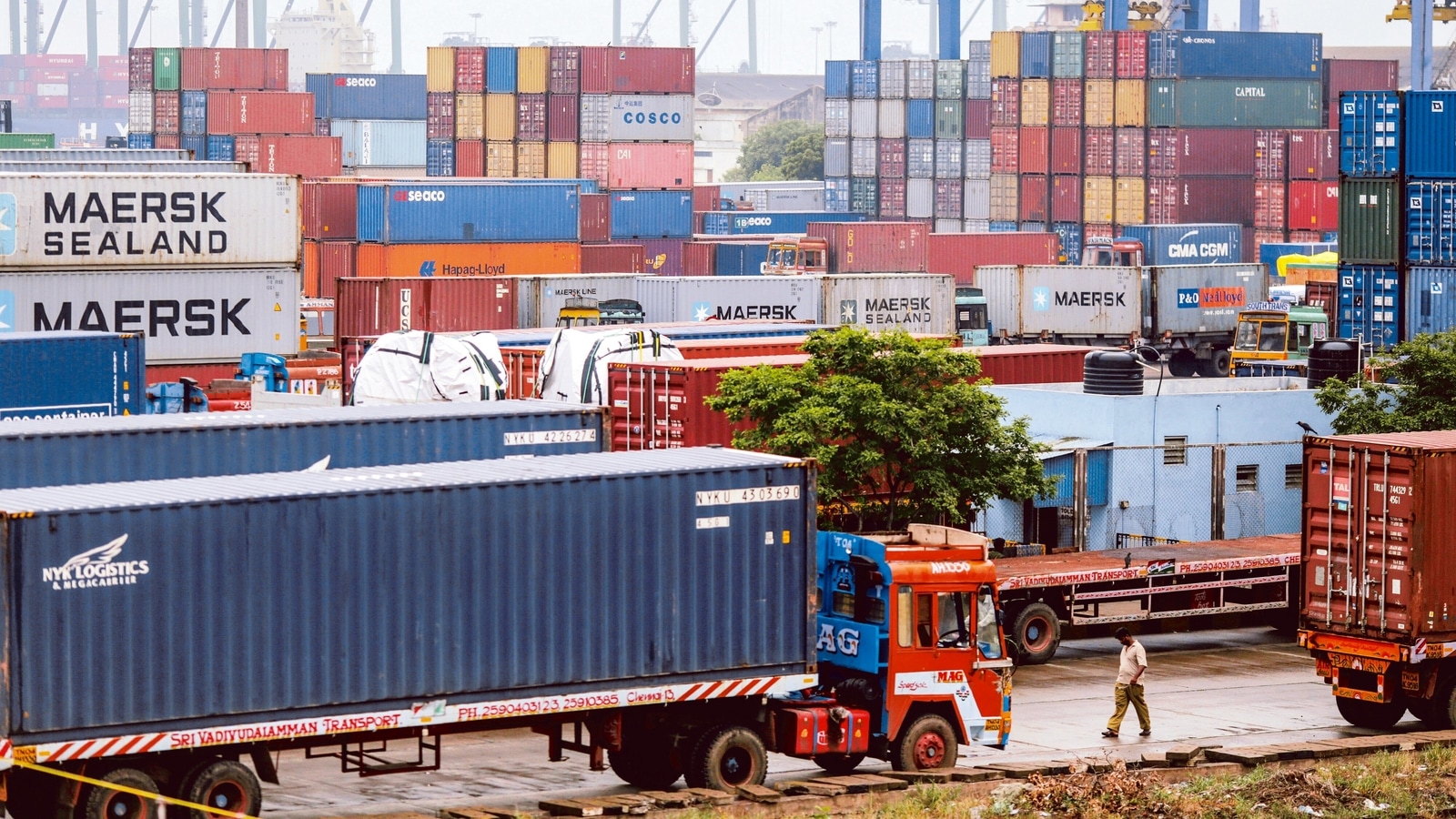
Once registered, exporters negotiate terms using international commercial terms (Incoterms 2020), secure container space with shipping lines, and arrange inland transport from milling hubs in Haryana, Punjab, or Uttar Pradesh to ports like Mundra, Kandla, or Nhava Sheva (JNPA).
EIC Inspection Rules and Regulatory Compliance (DGFT Notification 47/2026-27)
Navigating regulatory compliance is critical to avoiding costly port demurrage and shipment rejections. Recent trade updates have streamlined specific inspection protocols for European destinations.
Understanding DGFT Notification 47/2026-27
Issued on 9 November 2026, DGFT Notification 47/2026-27 significantly updates the export inspection landscape for European shipments.
- Mandatory EIC/EIA Certification: An Export Inspection Council (EIC) or Export Inspection Agency (EIA) Certificate of Inspection is now strictly required for rice shipments bound exclusively for EU member states, the United Kingdom, Iceland, Liechtenstein, Norway, and Switzerland.
- Exemption Window: Other European destinations not explicitly listed in the notification remain exempt from mandatory EIC/EIA pre-shipment inspection until 1 April 2027.
- Implications for Exporters: Shippers must verify the final destination port and customs union rules before booking pre-shipment inspection slots to prevent compliance violations.
Fumigation and Quality Standards
Phytosanitary certification is non-negotiable for international grain trade.
- Methyl Bromide or Aluminum Phosphide: Cargo must undergo mandatory fumigation by accredited agencies prior to stuffing.
- Phytosanitary Certificate: Issued by the Directorate of Plant Protection, Quarantine and Storage (PPQS), confirming the consignment is free from quarantine pests and weed seeds.
- Moisture Content Limits: Standard export grade rice must maintain a moisture level not exceeding 14% to prevent mold growth and spoilage during prolonged maritime transit.
Sourcing Safely: How B2B Buyers Find Genuine Exporters
For international importers, mitigating counterparty risk is the single most important factor when procuring bulk agricultural commodities from India.
Verification Checklists for Buyers
- Verify Corporate Credentials: Request company registration documents, GST filings, and active APEDA RCMC details.
- Inspect Milling Infrastructure: Conduct virtual or on-site audits of sorting, grading, color-sorting, and packaging facilities.
- Insist on Independent Pre-Shipment Inspection (PSI): Employ globally recognized inspection agencies like SGS, Bureau Veritas, or Intertek to verify cargo quality at the loading port.
- Secure Safe Payment Terms: Utilize secure financial instruments such as Irrevocable Letters of Credit (LC) at sight or documented cash against documents (CAD) rather than unverified advance transfers.
Frequently Asked Questions
What is the primary regulatory body for exporting rice from India?
The primary regulatory authority is the Agricultural and Processed Food Products Export Development Authority (APEDA). Exporters must obtain an RCMC from APEDA, alongside a valid Import-Export Code (IEC) from the DGFT, to legally execute international shipments.
Who requires an EIC Certificate of Inspection under DGFT Notification 47/2026-27?
Under DGFT Notification 47/2026-27, issued on 9 November 2026, an EIC/EIA Certificate of Inspection is strictly required for rice exports destined for EU member states, the UK, Iceland, Liechtenstein, Norway, and Switzerland. Other European destinations are exempt until 1 April 2027.
What is the maximum allowable moisture content for export-grade Indian rice?
Standard export-grade rice must maintain a moisture content not exceeding 14 percent. Lower moisture levels help prevent mold development, insect infestation, and quality degradation during long-haul maritime transit.
Which countries are the largest buyers of Indian Basmati rice?
Saudi Arabia, Iran, Iraq, the United Arab Emirates, the United States, and the United Kingdom are the primary export destinations for premium Indian Basmati rice, driven by strong diaspora populations and high culinary demand.
How can international buyers verify the authenticity of an Indian rice exporter?
Buyers should verify the exporter's APEDA RCMC registration, request independent third-party pre-shipment inspection reports from agencies like SGS or Intertek, and utilize secure payment structures such as confirmed Letters of Credit.
Are non-Basmati rice exports subject to government quotas or restrictions?
Indian trade policy on non-Basmati varieties frequently adjusts based on domestic crop yields, inflation metrics, and food security priorities. Exporters must check current DGFT notifications for minimum export prices (MEP) or specific prohibitions prior to contracting.
What fumigation standards apply to containerized rice shipments?
Rice shipments require mandatory fumigation using approved agents like aluminum phosphide or methyl bromide performed by licensed operators. A valid phytosanitary certificate from the PPQS must accompany the shipping bill.
Conclusion
Succeeding in the global rice trade requires unwavering attention to regulatory changes, varietal specifications, and quality assurance. As compliance frameworks evolve—evidenced by targeted EIC mandates under recent DGFT notifications—maintaining transparent operations is more critical than ever.
Whether you are an exporter scaling up operations or an international buyer looking to source premium grains, connecting through trusted digital infrastructure ensures secure, verified transactions. Post your specific rice requirements or connect directly with verified suppliers, exporters, and mills today on Today Adviser to streamline your global agricultural supply chain.