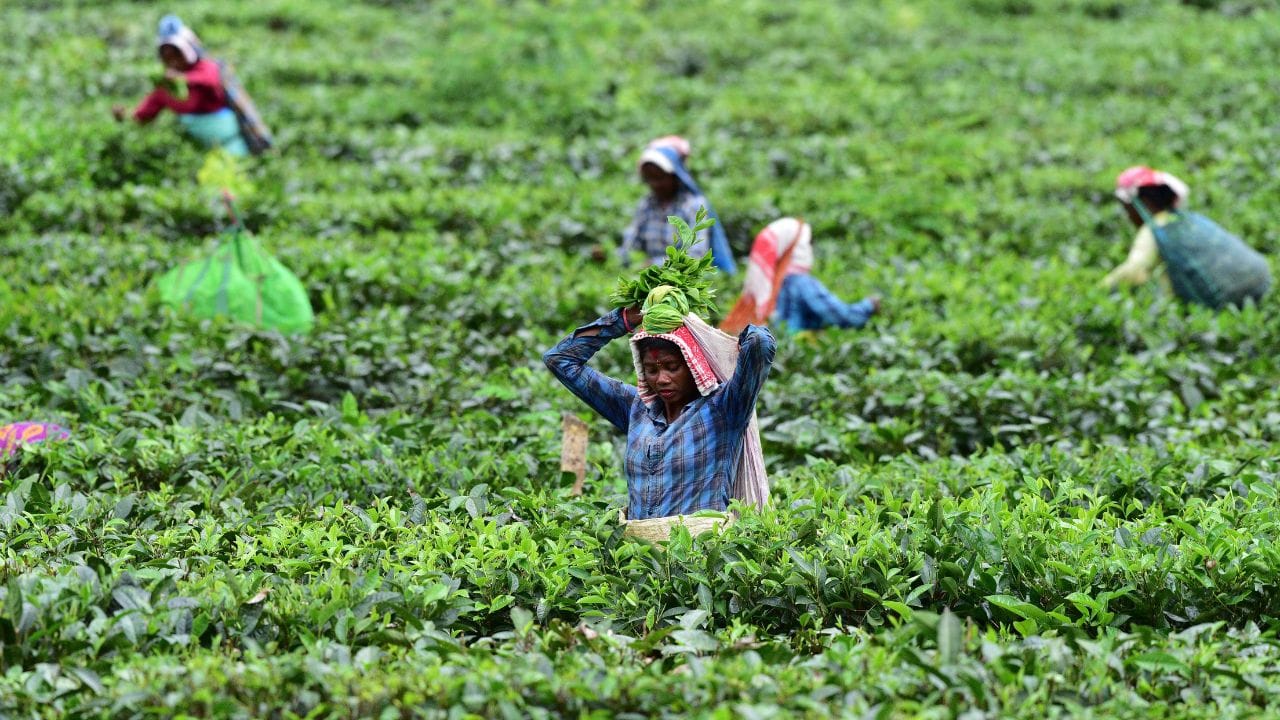
A practical 2026 guide for global buyers and exporters navigating tea exports from India, covering regional varieties, Tea Board compliance, and key markets.
As a global B2B buyer or exporter navigating the agricultural commodities sector, securing a reliable supply chain for tea exports from India requires deep knowledge of regional flavor profiles, stringent regulatory frameworks, and complex trade routes. India remains one of the world's largest tea producers, offering distinct regional varieties such as the malt-heavy character of Assam, the floral muscatel notes of Darjeeling, and the brisk, aromatic qualities of Nilgiri teas.
In this comprehensive 2026 compliance and market guide, we examine the operational mechanisms behind tea exports from India. Whether you are scaling an import portfolio across the UK and the Middle East or sourcing bulk orthodox and CTC grades directly from Indian producers, this guide breaks down Tea Board registration, Geographical Indication (GI) protections, Maximum Residue Limit (MRL) compliance, and the strategic differences between digital auctions and direct estate sourcing.
India's Premier Tea Terroirs: Assam, Darjeeling, and Nilgiri
To successfully execute tea exports from India, international buyers must understand the unique agro-climatic conditions and cup characteristics of the country's three major tea-producing regions. Each region produces distinct leaf grades destined for different global segments, ranging from mass-market tea bags to high-end loose-leaf specialties.
Assam: The Powerhouse of CTC and Bold Orthodox
Located in the Brahmaputra Valley of northeastern India, Assam is the single largest contiguous tea-growing region in the world. The tropical climate, heavy monsoon rainfall, and rich alluvial soil produce teas renowned for their deep amber color, full-bodied strength, and malty flavor profile.
- Primary Grades: Mainly CTC (Crush, Tear, Curl) dust and fannings for high-volume blending, alongside robust Orthodox broken grades.
- Target Markets: Dominated by bulk commercial buyers in the United Kingdom, Egypt, and domestic blending operations.
- Export Considerations: Bulk buyers typically source Assam teas through the Guwahati Tea Auction Centre (GTAC) or direct forward contracts with garden owners following the first and second flush seasons.
Darjeeling: The Champagne of Teas and GI Protection
Nested in the foothills of the Himalayas, Darjeeling produces orthodox teas that command the highest price per kilogram in global markets. The high altitude, misty climate, and slow leaf growth impart a signature muscatel flavor that cannot be replicated anywhere else.
- Primary Grades: Delicate whole-leaf orthodox grades (SFTGFOP, FTGFOP).
- Target Markets: Gourmet specialty retailers, luxury hospitality suppliers, and boutique importers in Europe, Japan, and North America.
- GI Protection: Darjeeling tea is protected under the Geographical Indications of Goods (Registration and Protection) Act, 1999. Exporters must possess a valid Darjeeling Tea Certification Trademark (DTCm) license issued by the Tea Board of India to prevent counterfeiting and guarantee authenticity.
Nilgiri: The Southern Fragrance
Prolific production in the Blue Mountains (Nilgiris) of southern India yields bright, brisk, and aromatic teas. Because of year-round harvesting, Nilgiri teas offer consistent flavor profiles that make them ideal for blending and cold-brew RTD (Ready-to-Drink) formulations.
- Primary Grades: Clean-liquoring orthodox and CTC teas, widely used in iced tea products.
- Target Markets: North American iced tea bottlers and Middle Eastern traditional blenders.
Tea Board of India: Registration and Export Licencing
No commercial shipment of tea can leave Indian shores without formal clearance from the Tea Board of India, a statutory body established under the Tea Act of 1953. For exporters, compliance begins long before the first container reaches the port.
Exporter Registration (RCMC)
Every entity engaging in tea exports from India must hold a valid Registration-cum-Membership Certificate (RCMC) issued by the Tea Board.
- Prerequisites: Valid Importer-Exporter Code (IEC) issued by the Directorate General of Foreign Trade (DGFT), corporate registration documents, and GST registration.
- Application Process: Submitted via the Tea Board’s digital exporter portal. The registration categorizes entities as exporter of bulk tea, value-added tea (packets, bags, liquid tea), or organic tea.
Export Licencing and Quotas
While traditional export licensing has been streamlined, exporters must secure a movement permit and export authorization for each consignment. The Tea Board monitors export statistics, tracks compliance with international quality standards, and ensures that all shipments meet statutory minimum export prices when market volatility demands regulatory intervention.
Navigating Key International Markets
The destination landscape for tea exports from India is diverse, with traditional buyers maintaining strong historical ties alongside emerging markets demanding customized value-added packaging.
| Market | Primary Tea Type | Preferred Trade Channel | Key Regulatory Focus |
|---|---|---|---|
| Russia | CTC Dust & Fannings | Direct Exporters / Bilateral Trade | Phytosanitary compliance, packaging durability |
| Iran | Orthodox Loose Leaf | Direct Contracts / Rupee-Rial mechanism | Pesticide residue limits, heavy metal testing |
| UAE | Bulk Blends & Value-Added Packets | Jafza Re-export Hubs / Auctions | Halal certification, shelf-life documentation |
| UK | Blended CTC / Gourmet Darjeeling | Private Label Packers / Supermarket Chains | Ethical sourcing (Fairtrade/Rainforest Alliance), MRLs |
Russia and CIS Countries
Historically one of the largest importers of Indian CTC tea, Russia remains a high-volume destination. Transactions require robust logistics planning via multimodal corridors, with careful attention to moisture control during transit through varying climatic zones.
Iran
Iran represents a vital destination for high-grade Indian orthodox teas. Exporters dealing with this market must navigate complex banking arrangements, compliance with bilateral trade settlements, and strict documentation regarding origin and purity.
United Arab Emirates (UAE)
Dubai serves as the primary re-export hub for the Middle East and North Africa (MENA) region. Importers in the UAE frequently source bulk Indian teas for blending, packaging under private labels, and subsequent distribution across the Gulf Cooperation Council (GCC) markets.
United Kingdom
As a mature market with deep historical ties to Indian tea, the UK consumer base demands uncompromising quality, traceability, and ethical certifications such as Rainforest Alliance, Fairtrade, and Trustea.
MRL, Quality, and Food-Safety Compliance for Buyers
Global food safety authorities enforce stringent Maximum Residue Limits (MRLs) for pesticides, heavy metals, and contaminants in agricultural imports. Failure to meet these standards results in port rejections, financial losses, and reputational damage.
Pesticide Residue Management
The Tea Board of India operates a strict monitoring system through the Trustea code and laboratory testing protocols. Exporters must source raw materials only from registered gardens and factories that adhere to Good Agricultural Practices (GAP).
- Pre-Shipment Testing: Accredited laboratories (NABL-approved) must analyze representative samples for banned molecules and systemic pesticides.
- Destination Standards: EU MRLs are among the strictest globally. Importers targeting European markets must mandate GC-MS/MS and LC-MS/MS multi-residue testing reports prior to final bill of lading issuance.
Packaging and Phytosanitary Documentation
Tea is highly hygroscopic; it absorbs moisture and foreign odors rapidly.
- Food-Grade Packaging: Export consignments must utilize multi-wall paper sacks lined with aluminum foil or polyethylene liners (food-grade virgin plastic).
- Phytosanitary Certificate: Issued by the Plant Protection, Quarantine and Storage (PPQS) division of the Ministry of Agriculture, confirming the consignment is free from live insect pests and quarantine weeds.
Auction System versus Direct Estate Sourcing
When planning procurement strategies for tea exports from India, buyers must weigh the advantages of centralized electronic auctions against bilateral direct contracts with estate owners.
Digital Tea Auctions
India hosts prominent electronic auction centers, including the platforms in Guwahati, Kolkata, and Siliguri.
- Pros: High price transparency, vast choice of seasonal teas, competitive bidding, and standardized cataloging by grade, garden, and invoice number.
- Cons: Rapid bidding environments require real-time execution; tasting samples must be requested in advance from brokers.
Direct Export and Estate Sourcing
Sourcing directly from producer-exporters involves forging long-term supply agreements with garden owners or cooperative processors.
- Pros: Customized blending, private-label packaging at source, guaranteed volume allocations across multiple flushes, and better traceability for sustainability reporting.
- Cons: Requires established trust, minimum order quantities (MOQs), and independent verification of supplier credentials.
Common Exporter and Buyer Pitfalls
- Ignoring Flavor Flushes: Purchasing Assam or Darjeeling tea without specifying the flush season (First, Second, Monsoon, or Autumn) leads to severe discrepancies in cup quality.
- Inadequate Moisture Barrier: Using substandard internal liners causes moisture ingress during sea freight, resulting in mold growth and cargo condemnation.
- Outdated Compliance Documentation: Failing to renew Tea Board RCMC, IEC, or failing to secure updated NABL laboratory test results for specific pesticide molecules.
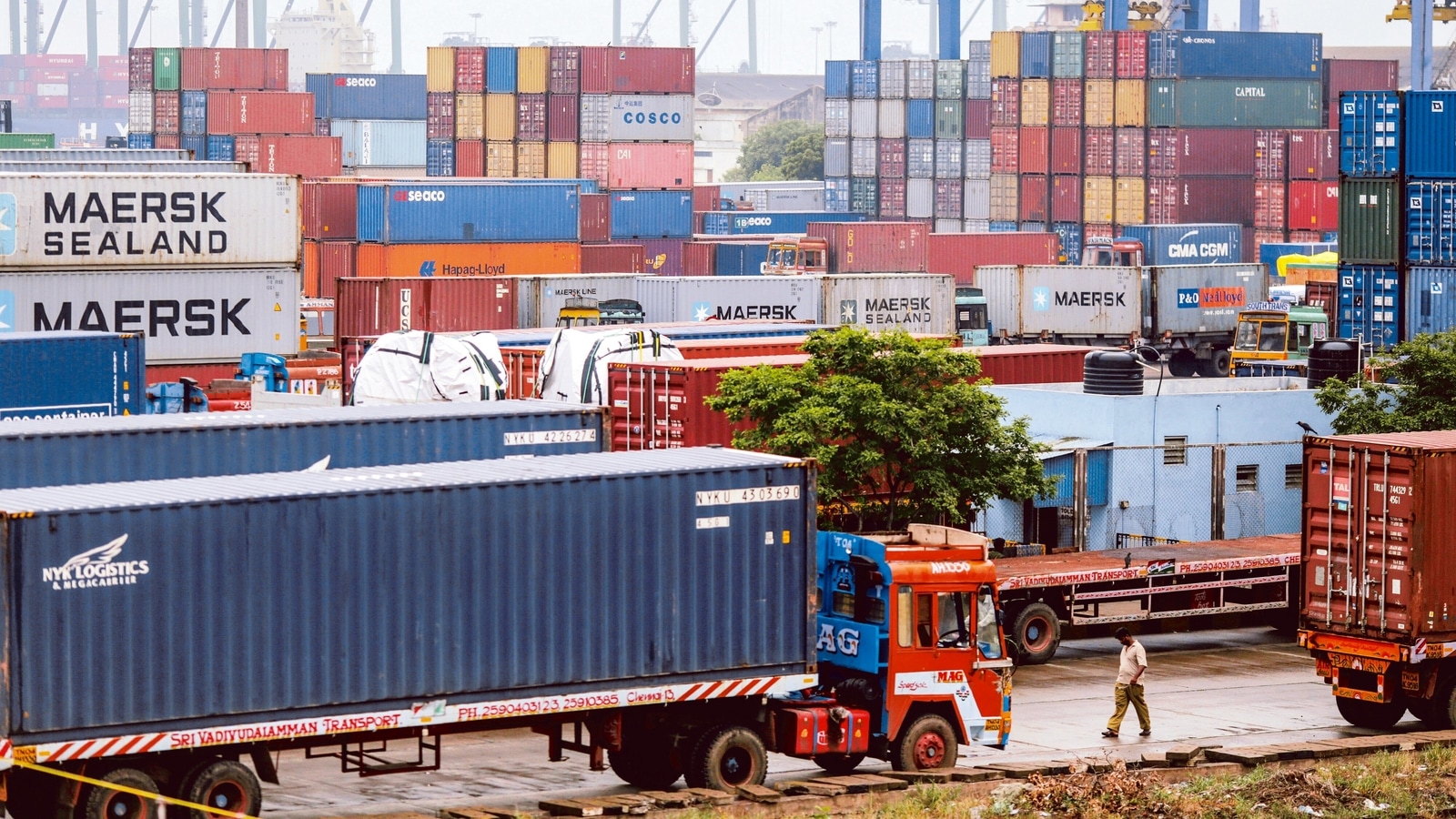
- Overlooking Port Congestion: Not accounting for seasonal bottlenecks at major Indian container ports (such as Kolkata or Nhava Sheva) when calculating delivery timelines.
Frequently Asked Questions
What is the primary regulatory body for tea exports from India?
The Tea Board of India, functioning under the Ministry of Commerce and Industry, regulates production, licensing, and quality standards for all tea exports from India.
How do I verify a legitimate tea exporter in India?
Buyers should request the exporter's Tea Board Registration-cum-Membership Certificate (RCMC), valid Importer-Exporter Code (IEC), GST registration, and third-party platform verification badges.
Why is Darjeeling tea legally protected?
Darjeeling tea is protected under India's Geographical Indication (GI) Act. Only tea grown, processed, and manufactured in the designated 87 gardens of Darjeeling can use the name.
What are the standard shipping container capacities for bulk tea?
A standard 40-foot dry van container typically accommodates between 20 to 22 metric tonnes of bulk CTC tea packed in paper sacks, depending on the density and grade of the leaf.
How are MRL compliance standards managed for European buyers?
Exporters must provide analytical reports from NABL-accredited laboratories confirming that pesticide residues remain below the strict Maximum Residue Limits mandated by the destination market.
What is the difference between CTC and Orthodox teas?
CTC (Crush, Tear, Curl) yields a strong, quick-brewing liquor ideal for tea bags and milk tea. Orthodox production uses traditional rolling methods to preserve delicate leaf integrity for loose-leaf consumption.
Can buyers request custom private-label packaging at the origin?
Yes, many Indian export houses offer value-added packaging services, including tea bag production, tin caddies, and customized retail cartons directly at the manufacturing site.
Conclusion and Next Steps
Navigating tea exports from India requires a balance of cultural appreciation for regional terroirs, strict adherence to Tea Board regulations, and meticulous quality assurance. By understanding the distinct profiles of Assam, Darjeeling, and Nilgiri teas, and by implementing rigorous MRL testing protocols, international buyers can build resilient, high-margin supply chains.
Ready to source verified tea grades or connect with certified exporters? Post your specific trade requirement or browse verified supplier profiles on Today Adviser today to streamline your global commodity procurement.