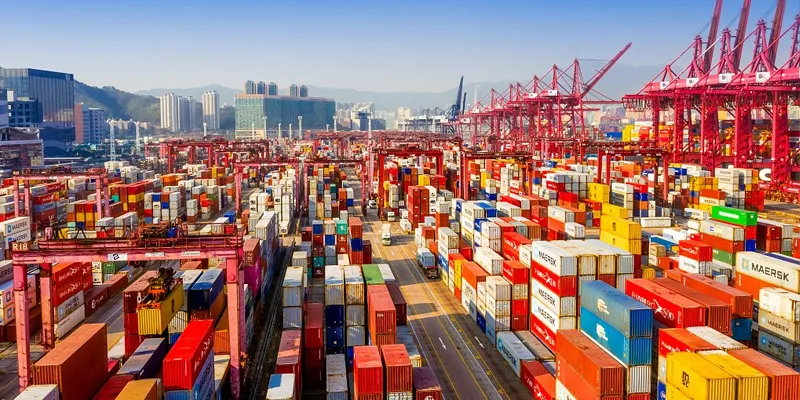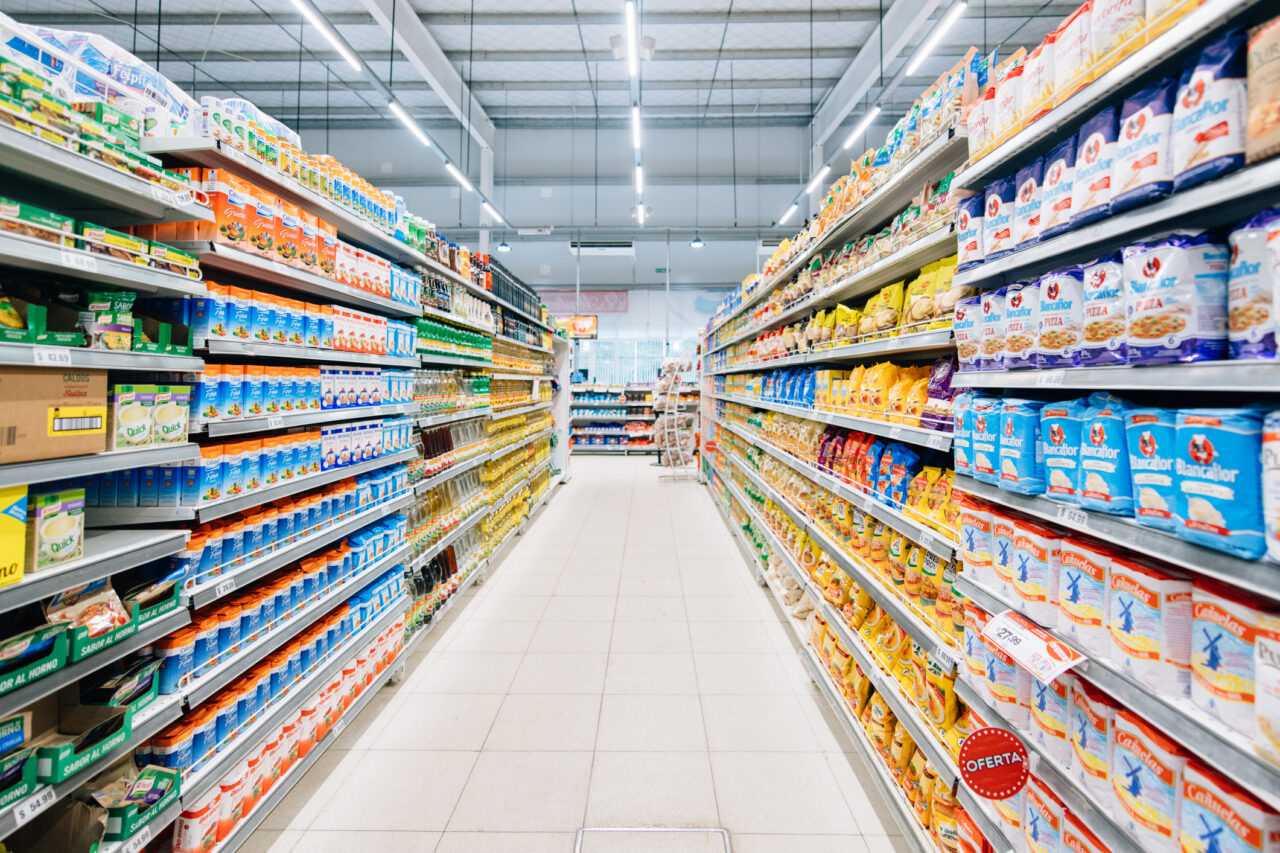

Packaging protects, contains, communicates, and adds convenience across the supply chain. Here is what exporters must know about export-ready packaging and its four core functions.
Every product that moves through global trade arrives inside some form of packaging. For domestic sellers, packaging is mostly about shelf appeal. For exporters, it is a strategic tool: it protects goods across thousands of kilometres, keeps consignments compliant with foreign regulations, controls freight costs, and communicates with buyers and customs officials. This guide explains what packaging really means, breaks down its four core functions, and shows why it matters so much in export business.
What Is Packaging? A Clear Definition
Packaging is the coordinated system of enclosing, protecting, and presenting products for storage, transportation, handling, and sale. In plain terms, it is everything between the product and the customer: the wrapper, the carton, the pallet, the label, and the instructions printed on it.
In export and logistics, packaging means more than a box. It is a planned system designed to move goods safely, efficiently, and economically from a factory in one country to a buyer in another. Good export packaging considers the mode of transport, the climate along the route, handling practices at ports, destination-country rules, and the expectations of the overseas buyer.
The 4 Functions of Packaging
1. Protection
Protection is the most fundamental function of packaging. Goods in export face a long and rough journey: loading and unloading at multiple points, stacking in containers, vibration during road and sea transport, moisture, temperature changes, and sometimes rough handling at ports.
Protective packaging absorbs shocks, resists crushing, keeps out water and dust, and prevents contamination. Examples include corrugated cartons with cushioning inserts, shrink wrap that stabilises pallet loads, moisture-barrier bags for electronics and textiles, and wooden crates for heavy machinery. The level of protection must match the fragility of the product and the length of the journey. An exporter who under-protects goods risks breakage claims, rejected consignments, and damaged buyer relationships. Over-protecting, on the other hand, adds unnecessary weight and cost.
2. Containment
Containment means holding the product together so it can be handled, counted, and moved as a unit. Loose goods are impossible to load, stack, or track efficiently. Packaging groups items into manageable units: bottles into cartons, cartons onto pallets, pallets into containers.
For exporters, containment also means preventing leakage and spillage, which is critical for liquids, powders, granules, and chemicals. A leaking drum inside a container can damage an entire consignment and create liability for the exporter. Proper sealing, inner liners, and UN-approved drums for hazardous goods are part of the containment function. Good containment also makes customs inspection easier, because officers can count and verify units quickly.
3. Communication
Packaging is a communication medium. It carries the information that buyers, handlers, transporters, and customs officials need: product name, quantity, weight, country of origin, handling instructions, barcodes, and shipping marks.
For export shipments, communication through packaging is a compliance requirement. Shipping marks on cartons typically show the consignee, destination port, package numbers, gross and net weight, and dimensions. Handling symbols such as this side up, keep dry, and fragile instruct handlers across language barriers. Labels must meet destination-country rules on language, ingredients, safety warnings, and origin marking. A carton that communicates clearly reduces delays at ports, prevents misdelivery, and helps the buyer identify and store goods correctly on arrival.
4. Convenience
Convenience covers how easy the package is to handle, open, store, and use. In the export chain, convenience means cartons sized for easy manual handling, pallets built to standard dimensions that fit containers and forklifts, and packaging that warehouse staff can open and reseal without damage.
For the end customer, convenience includes easy-open features, resealable packs, and portion sizes suited to local buying habits. Exporters who design packaging around the convenience of everyone in the chain, from factory workers to freight forwarders to customs officers to distributors and consumers, reduce handling damage and speed up the entire supply chain.
Levels of Packaging: Primary, Secondary, and Tertiary
Packaging is usually described in three levels. Primary packaging touches the product directly: the bottle, pouch, or wrapper the consumer handles. Secondary packaging groups primary packs together: the printed carton holding twelve pouches. Tertiary packaging is the transport layer: the corrugated master carton, the shrink-wrapped pallet, or the wooden crate that moves through the export chain.
Exporters must get all three levels right. Attractive primary packaging wins retail buyers abroad, while strong tertiary packaging is what actually survives a 40-day sea voyage. Many export disputes trace back to tertiary packaging that was designed for domestic truck transport but failed in containerised sea freight.
Why Packaging Matters Specifically for Exporters
Longer journeys and more handling. A domestic shipment may travel a few hundred kilometres with one or two handling points. An export consignment can travel thousands of kilometres, change hands six to ten times, and sit in hot, humid port yards for days. Packaging is the only thing protecting the product through all of it.
Regulatory compliance. Destination countries regulate packaging materials and labelling. Wooden packaging used in international trade must generally be heat-treated and stamped under the ISPM 15 standard to prevent the spread of pests. The European Union, the United States, Australia, and many other markets enforce this strictly, and non-compliant wood packaging can lead to the entire consignment being fumigated or refused at the importer's expense. Labelling rules on language, nutrition, safety warnings, and country-of-origin marking also vary by market.
Freight cost control. In international shipping, freight is often charged on volumetric (dimensional) weight, not just actual weight. Bulky, inefficient packaging directly increases freight bills. Smart packaging design that reduces empty space can cut shipping costs by an indicative 10 to 20 percent on volume-driven cargo. Exporters should design cartons around container dimensions to maximise space utilisation.
Brand and market access. In competitive export markets, packaging is often the first physical contact a buyer has with your brand. Clean, professional, well-labelled packaging signals a reliable supplier. Some buyers and retail chains abroad specify exact packaging standards, and meeting them is a condition of the order.
Sustainability expectations. Buyers in Europe and other developed markets increasingly demand recyclable, reduced-plastic, and responsibly sourced packaging. Exporters who adapt early gain a commercial advantage and avoid last-minute surprises when a buyer requests a sustainability declaration.
Export Packaging Best Practices
Start with the transport mode in mind and design tertiary packaging for sea freight unless you are certain the goods will fly. Use corrugated board of adequate burst strength and always test-stack cartons to the height they will face in a container. Palletise wherever possible with standard-size pallets, and shrink-wrap the full pallet to prevent shifting. Mark every carton clearly with shipping marks, package numbers, and handling symbols. Keep packaging materials consistent so the buyer receives a uniform consignment. Finally, photograph packed cartons and pallets before stuffing the container, because these photos are valuable evidence if a damage claim arises.
Frequently Asked Questions
What is the simple definition of packaging? Packaging is the system of enclosing and protecting products for storage, transport, and sale, including all materials, labels, and containers used from factory to customer.
What are the four main functions of packaging? The four functions are protection (keeping goods safe from damage), containment (holding products together as manageable units), communication (carrying labels, marks, and instructions), and convenience (making handling, storage, and use easier).
Why is packaging more important in exports than in domestic trade? Export goods travel farther, are handled more times, face harsher conditions, and must satisfy foreign regulations on materials and labelling. Packaging failures in exports lead to rejected consignments and expensive claims.
What is export-worthy packaging? Export-worthy packaging is packaging designed to survive international transport: strong enough for container stacking and multiple handling, compliant with rules such as ISPM 15 for wood packaging, clearly marked for customs and handlers, and optimised to control volumetric freight costs.
Does packaging affect export costs? Yes. Freight is often charged on volumetric weight, so oversized packaging raises shipping costs. At the same time, under-packaging causes damage claims that cost far more. The goal is the right balance: adequate protection with minimum wasted space.
Conclusion
Packaging is far more than a container for goods. It protects, contains, communicates, and adds convenience across the entire journey from factory to foreign buyer. For exporters, getting packaging right means fewer damage claims, smoother customs clearance, lower freight costs, and stronger buyer relationships. Treat packaging as a core part of your export strategy, not an afterthought, and it will pay for itself many times over.