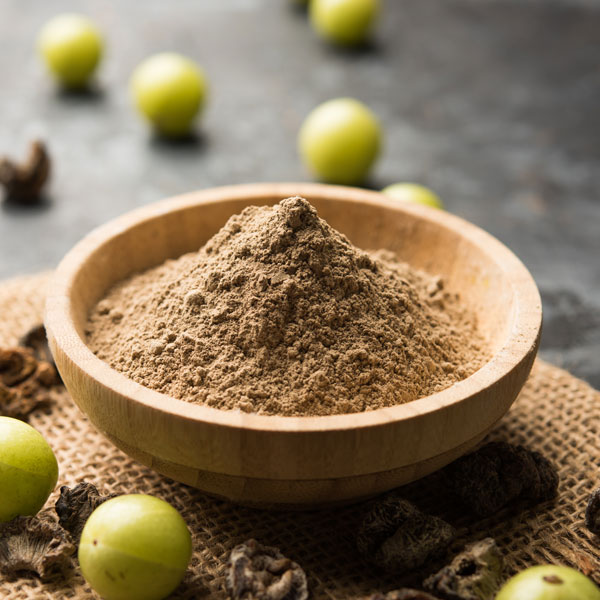
Explore comprehensive amla powder benefits, optimal daily dosage guidelines, quality control standards, and proven strategies for global B2B exporters to connect with international buyers.
Amla powder, derived from the nutrient-dense Indian gooseberry (Emblica officinalis), is rapidly emerging as a high-demand botanical in the global nutraceutical and functional food sectors. For international traders, importers, and B2B procurement specialists, understanding amla powder benefits, optimal daily dosages, and quality assurance protocols is essential for capitalizing on the booming herbal export market.
Global demand for natural wellness ingredients continues to surge across North America, Europe, and the Middle East. As commercial buyers seek reliable sources of Vitamin C-rich superfoods, Indian exporters are scaling up production to meet stringent international standards. This comprehensive guide explores the production, nutritional profile, trade compliance, and strategies to connect with verified amla buyers globally.
Derived from sun-dried or freeze-dried Indian gooseberries, raw amla fruits undergo careful de-seeding, grinding, and ultra-fine pulverization to create a vibrant green-to-tan powder. The best quality powders retain the fruit's characteristic tart, astringent flavor profile and potent phytochemical composition without the use of chemical additives, synthetic binders, or artificial coloring agents.
Nutritional Profile: Vitamin C and Antioxidants
Amla is globally celebrated as one of the richest natural plant sources of ascorbic acid (Vitamin C), accompanied by a complex matrix of polyphenols, flavonoids, and tannins. While exact nutritional values vary depending on soil composition, harvest season, and processing methodology, indicative laboratory analyses highlight its exceptional biochemical potency.
| Nutrient / Compound | Indicative Value per 100g | Functional Significance |
|---|---|---|
| Vitamin C (Ascorbic Acid) | 600mg – 900mg | Immune system support and collagen synthesis |
| Total Polyphenols | 25g – 35g | Powerful antioxidant activity against free radicals |
| Dietary Fiber | 12g – 15g | Supports gastrointestinal motility and gut health |
| Tannins (Emblicanin A & B) | 5g – 8g | Stabilizes active compounds and reduces oxidation |
These high levels of stable Vitamin C are bound with natural tannins, which prevent the nutrient from degrading rapidly during storage and thermal processing. This unique matrix makes amla powder a preferred raw material for functional beverage manufacturers, capsule formulators, and cosmetic brands.
Core Wellness Benefits of Amla Powder
While regulatory frameworks prohibit medical claims, amla powder benefits are widely recognized within the general-wellness, beauty-from-within, and preventive health sectors. B2B buyers frequently source this botanical for three primary product categories: immune support formulations, hair care preparations, and digestive wellness supplements.
Immune System Support
Due to its dense concentration of bioavailable Vitamin C and immune-modulating antioxidants, amla powder is a staple ingredient in seasonal defense blends, effervescent tablets, and immunity-boosting green powders. Importers targeting the preventive health consumer demographic frequently incorporate amla into daily wellness regimens.
Hair and Scalp Health
In the personal care and cosmetic manufacturing sector, amla is legendary. Its high iron content, carotene levels, and antioxidant tannins help protect hair follicles from oxidative stress. B2B cosmetic buyers source food-grade and cosmetic-grade amla powder for hair masks, herbal shampoos, and scalp serums designed to promote luster and strength.
Digestive and Metabolic Wellness
Traditional wellness systems have long utilized amla for its cooling, balancing effect on the gastrointestinal tract. Modern dietary supplement brands include amla in daily cleansing formulas, pre-biotic blends, and metabolic support capsules to aid natural detoxification processes and support healthy nutrient absorption.
How Much Amla Powder Per Day and How to Take It
For commercial brands formulating consumer-facing products, understanding standard serving sizes is critical for labeling compliance and safety guidelines. When advising end consumers or formulating daily servings, standard industry guidelines recommend specific consumption parameters.
How much amla powder per day depends on the product format and the user's wellness goals, but general-wellness serving sizes typically range from 3 grams to 5 grams daily (approximately one level teaspoon).
- Standard Daily Dose: 3g to 5g (approx. 1 teaspoon) for general maintenance.
- Athletic or Intensive Support: Up to 10g daily, split into two doses, as advised by nutrition professionals.
- Consumption Methods: Can be stirred into warm water with honey, blended into morning smoothies, or encapsulated in vegetarian HPMC capsules for flavor-masked ingestion.
- Best Time to Consume: Early morning on an empty stomach to maximize enzymatic activity and nutrient absorption.
Quality, Adulteration, and Storage for Traders
International amla powder export requires strict adherence to quality control parameters. B2B buyers must navigate potential supply chain pitfalls, including adulteration with inferior starches, heavy metal contamination from polluted soils, and moisture-induced microbial growth.
Essential Quality Assurance Checklist for Importers
- Moisture Content: Must be kept below 8% to prevent caking, mold growth, and active ingredient degradation.
- Microbial Limits: Total plate count (TPC), yeast, mold, Salmonella, and E. coli must comply with FDA, EFSA, or local importing country standards.
- Heavy Metal Testing: Verify third-party lab certificates of analysis (CoA) for lead, arsenic, cadmium, and mercury.
- Particle Size (Mesh Size): Specify 80 to 100 mesh for smooth solubility in beverages and cosmetics.
Proper storage is equally critical. Amla powder must be stored in airtight, moisture-barrier packaging—such as food-grade multi-wall paper bags with aluminum foil liners—and kept in a cool, dark warehouse environment away from direct sunlight and humidity.
Global Export Demand: US, EU, and Middle East Markets
Global trade in botanical powders is expanding rapidly. Understanding regional demand drivers helps exporters tailor their marketing strategies and compliance documentation.
United States
The US market drives massive demand for organic, USDA-certified amla powder. Functional beverage brands, contract manufacturers, and supplement formulators in California, New Jersey, and Utah are constantly searching for bulk suppliers offering consistent phytosanitary documentation and competitive landed costs.
European Union
EU buyers face rigorous regulations, particularly regarding pesticide residues (maximum residue levels or MRLs) and novel food compliance. Importers in Germany, the Netherlands, and France demand strict adherence to HACCP, ISO 22000, and organic EU agriculture certifications.
Middle East
The United Arab Emirates, Saudi Arabia, and regional trade hubs act as major re-export centers. Middle Eastern buyers prioritize Halal certification, premium aesthetic packaging, and long shelf-life stability to withstand hot climatic conditions.
How to Find Buyers for Amla Powder Export
Expanding an export enterprise requires strategic digital visibility, proactive outreach, and utilization of specialized B2B trade infrastructure. Relying solely on local domestic markets limits growth potential.
Natural Use of Export Buyer Networks
Leveraging digital B2B marketplaces allows exporters to bypass traditional broker layers and connect directly with verified international procurement managers. Maintaining an optimized supplier profile showcasing processing capabilities, laboratory accreditations, and supply capacity is vital.
Generating Qualified Export Leads
Exporters should actively monitor global trade databases, attend international nutraceutical trade shows (such as Vitafoods Europe or SupplySide West), and publish technical content highlighting amla powder benefits and supply chain transparency.
Finding Buyers for Export and International Buyers
To successfully secure long-term supply contracts, exporters must offer transparent pricing models (FOB or CIF), flexible minimum order quantities (MOQs), and prompt sample dispatch for laboratory testing by prospective clients.
To connect instantly with pre-screened global importers, exporters should leverage the TodayAdviser buyer directory and post-a-requirement (RFQ) system. This marketplace bridges the gap between verified producers and international buyers seeking reliable botanical ingredients.
Frequently Asked Questions
How much amla powder per day is recommended?
Standard general-wellness usage typically ranges from 3 grams to 5 grams per day, roughly equivalent to one teaspoon. It can be consumed mixed in warm water, juice, or blended into smoothies. Always verify product-specific labeling guidelines and consult a qualified healthcare professional before starting any new herbal supplement regimen.
What is amla powder good for?
Amla powder is widely utilized in general-wellness formulations for its exceptionally high Vitamin C and antioxidant content. It supports immune system function, promotes healthy hair and scalp vitality, and aids digestive wellness and metabolic health without making specific medical or therapeutic claims.
Can amla powder be consumed every day?
Yes, consuming amla powder daily is safe for most individuals when taken within recommended serving sizes (3g–5g). Long-term daily consumption supports ongoing antioxidant intake, immune defense, and routine nutritional supplementation as part of a balanced diet and healthy lifestyle.
Which countries import amla powder the most?
Major importing regions include North America (the United States), the European Union (particularly Germany, the Netherlands, and France), and the Middle East (led by the UAE and Saudi Arabia). These regions house robust functional food, nutraceutical, and cosmetic manufacturing industries.
What are the key quality indicators for bulk amla buyers?
Key parameters include low moisture content (under 8%), heavy metal and pesticide residue compliance, verified microbial safety, and high retention of natural Vitamin C and polyphenols. Importers always require a certified certificate of analysis (CoA) from an accredited laboratory prior to dispatch.
How should bulk amla powder be stored during export transit?
Bulk amla powder must be packed in moisture-proof, multi-wall bags with food-grade foil linings. Shipments should be maintained in cool, dry, and well-ventilated containers away from direct sunlight, excessive heat, and high humidity to prevent caking and active ingredient degradation.
Conclusion
The global trade in botanical ingredients offers immense potential for proactive suppliers and agile importers. By understanding amla powder benefits, adhering to rigorous quality control standards, and leveraging digital B2B trade platforms, exporters can successfully scale their operations internationally.
Ready to expand your export reach or source premium botanical ingredients? Visit the Today Adviser buyer directory today to connect with verified global suppliers, or post a requirement (RFQ) to receive tailored quotations from certified exporters worldwide. Ensure all pricing, shipping capacities, and laboratory compliance data are independently verified prior to finalizing commercial contracts.