Learn how to find and verify reliable textile suppliers in India. This comprehensive buyer guide covers major manufacturing hubs, verification checklists, and secure payment tactics.
Sourcing quality fabrics internationally requires navigating complex supply chains, especially when looking for reliable textile suppliers in India. India stands as a global powerhouse for cotton, synthetics, and home textiles, making it a primary destination for B2B buyers and exporters seeking competitive pricing and diverse manufacturing capabilities.
However, finding the right manufacturing partner demands a structured approach. Without proper vetting, buyers risk facing delayed lead times, inconsistent fabric quality, and compliance failures that can severely impact retail and industrial supply chains.
This comprehensive guide explores India's major textile hubs, outlines a rigorous supplier verification checklist, and details essential negotiation, sampling, and payment safety strategies to secure your next sourcing partnership.
India's Major Textile Hubs: Where to Source What
India's textile manufacturing landscape is geographically diversified, with specific cities and regions specializing in distinct product categories. Understanding these clusters allows global B2B buyers to direct inquiries to the most relevant manufacturing bases.
Tiruppur: The Knitwear Capital
Located in Tamil Nadu, Tiruppur is globally renowned for cotton knitwear, particularly infant wear, T-shirts, and activewear. It hosts a tightly integrated supply chain covering spinning, knitting, dyeing, and garmenting.
Surat: Synthetics and Man-Made Fabrics
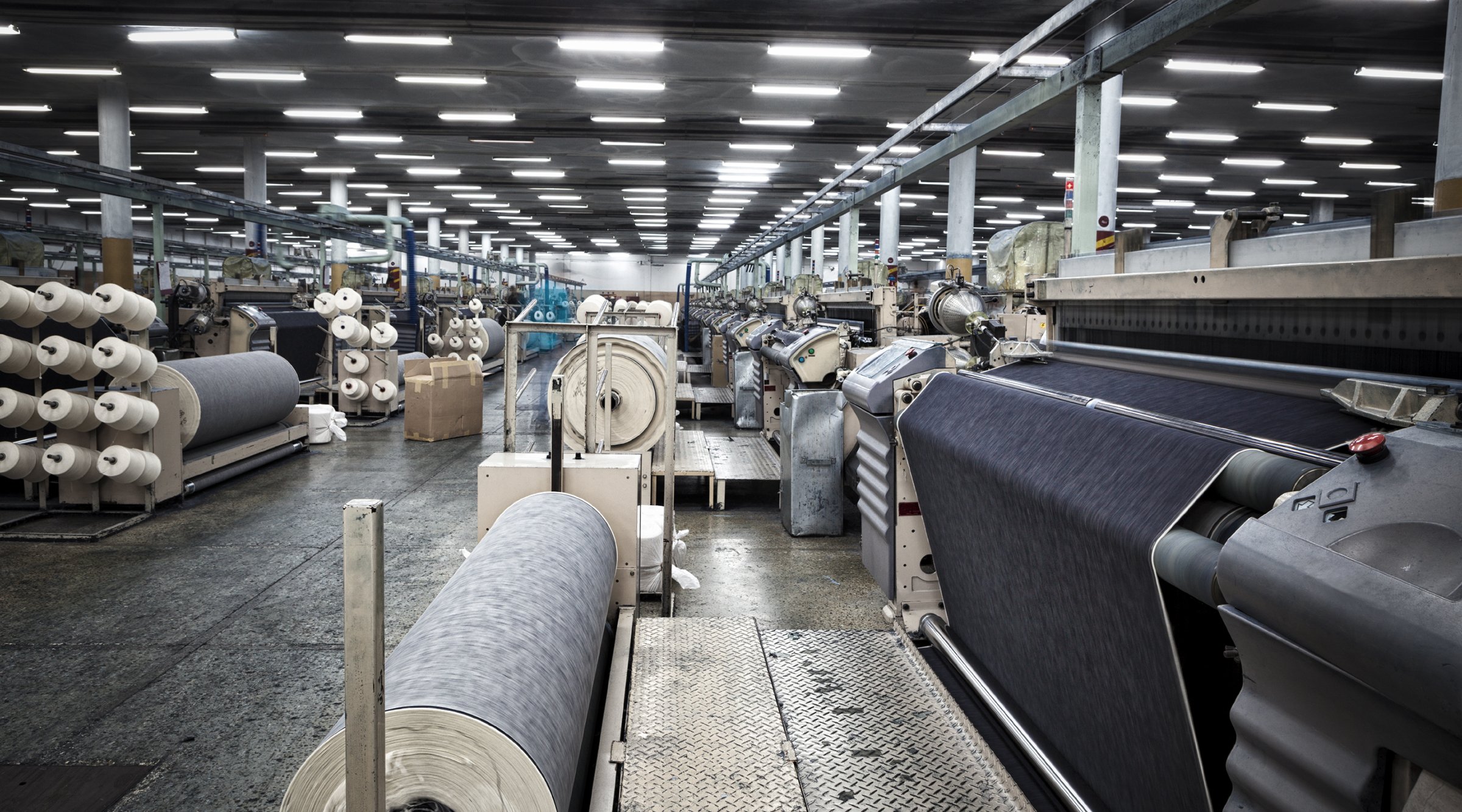
Surat in Gujarat is India's leading hub for synthetic textiles, polyester, and man-made fibers. It dominates the production of saris, dress materials, and synthetic filament fabrics using advanced weaving technology.
Ludhiana: Woollens and Winter Wear
Situated in Punjab, Ludhiana is historically famous for winter wear, woollens, hosiery, and acrylic knitwear. It caters primarily to cold-weather apparel markets.
Panipat: The Home Textile Hub
Often called the "City of Weavers," Panipat in Haryana specializes in home textiles, recycled yarn, rugs, doormats, and bed linens, frequently utilizing sustainable and recycled materials.
Other Notable Manufacturing Clusters
- Mumbai: A major commercial center for cotton sourcing, high-fashion fabrics, and export houses.
- Erode & Karur: Key hubs in Tamil Nadu for home furnishings, bedspreads, kitchen linens, and grey fabrics.
- Bhadohi: Known globally as the "Carpet City," specializing in hand-knotted and machine-made rugs and floor coverings.
Supplier Verification Checklist for Indian Manufacturers
Before entering into commercial contracts with textile suppliers in India, buyers must execute a thorough due diligence process. Verifying credentials mitigates the risk of fraud and ensures compliance with international trade standards.
Key Verification Documents
- GST Registration: Goods and Services Tax registration validates the legal tax status of the business within India.
- Import-Export Code (IEC): Issued by the Directorate General of Foreign Trade (DGFT), this is mandatory for any Indian entity engaging in import-export activities.
- Factory Audit: Conduct either an in-house visit or commission a third-party audit (via agencies like SGS, Intertek, or Bureau Veritas) to inspect physical machinery, workforce conditions, and warehouse capacity.
- Certifications: Check for internationally recognized credentials such as OEKO-TEX Standard 100 (harmful substance testing), GOTS (Global Organic Textile Standard), and SEDEX or BSCI (social compliance audits).
The Sampling and Approval Process
Quality assurance begins well before bulk production starts. A structured sampling protocol is vital to eliminate misunderstandings regarding fabric weight, handfeel, color fastness, and shrinkage.
Step-by-Step Sampling Workflow
- Proto/Counter Sample: The manufacturer creates an initial sample based on your tech pack or reference swatch to prove their ability to replicate the design.
- Fit and Specification Test: Evaluate the drape, weight (GSM), and physical construction against your technical requirements.
- Pre-Production Sample (PPS): Manufactured using the exact bulk yarns, dyes, and finishes. This serves as the master standard for the entire production run.
- Shipment Sample: Pulled randomly from the finished bulk production batch just prior to dispatch for final client sign-off.
MOQ Negotiation Tactics and Lead Times
Minimum Order Quantities (MOQs) and production lead times are often negotiable depending on seasonal demand, yarn availability, and capacity utilization at the mill.
Strategies for Managing MOQs
- Consolidated Yarn Dyeing: If a mill requires a high MOQ per color, offer to use standard catalog colors or pool orders with other styles using the same base yarn.
- Long-Term Forecasts: Offer rolling 6-month forecasts in exchange for lower MOQs on initial trial orders.
- Ready-Greige Fabrics: Source from suppliers who maintain stock of un-dyed (greige) fabrics, allowing for faster custom dyeing at smaller volumes.
Typical Lead Times
- Sampling: 7 to 15 days.
- Yarn Sourcing & Weaving/Knitting: 15 to 30 days.
- Dyeing & Finishing: 10 to 20 days.
- Bulk Production & Packaging: 30 to 45 days.
- Note: Always factor in port congestion and customs clearance times.
Payment Safety and Financial Security
International trade requires a balanced approach to risk management. Relying solely on 100% advance payments to unknown suppliers exposes buyers to severe financial risk.
Secure Payment Methods
- Letter of Credit (LC): An irrevocable, confirmed LC issued by a reputable bank offers strong protection for both buyer and seller, releasing funds only upon presentation of compliant shipping documents.
- Escrow Services: Independent digital escrow platforms hold funds securely until pre-agreed inspection milestones are met.
- Milestone Payments: A standard commercial structure involves a 30% advance deposit upon order confirmation, 40% upon passing third-party pre-shipment inspection, and the remaining 30% upon bill of lading release.
Comparison of Sourcing Channels
| Feature | B2B Marketplaces | Direct Mill Sourcing | Trade Agents/Brokers |
|---|---|---|---|
| Verification Level | Pre-screened profiles available | Requires independent audit | Relies on agent reputation |
| Cost Efficiency | High (direct pricing transparency) | Highest (no intermediary margin) | Lower (commission/fees apply) |
| Communication | Direct digital messaging | Direct phone/email/factory visits | Managed entirely by agent |
| Suitability | SMEs and enterprise buyers | Large-volume enterprise buyers | New importers needing hand-holding |
Common Mistakes to Avoid
- Ignoring Technical Specifications: Failing to specify exact GSM, fiber composition, yarn count, and construction details in the purchase order.
- Skipping Third-Party Inspections: Accepting goods based solely on supplier-provided photographs.
- Neglecting Import Regulations: Not checking target market labeling, flammability, and chemical restriction laws (such as REACH compliance for the EU).
Frequently Asked Questions
What are the primary export documentation requirements for Indian textiles?
Standard export documentation includes the Commercial Invoice, Packing List, Bill of Lading or Air Waybill, Certificate of Origin, and the shipping Bill of Export issued by Indian customs authorities.
How can I verify if an Indian textile manufacturer is genuine?
Request their GST registration certificate, Import-Export Code (IEC), and bank reference letters. Always verify these registration numbers directly on official Indian government portals.
What is standard payment term when working with new Indian suppliers?
A standard and balanced payment term for new relationships is a 30% advance deposit via wire transfer, with the remaining 70% paid against a copy of the Bill of Lading or after a successful third-party inspection.
Are third-party quality inspections necessary for textile imports?
Yes, commissioning an independent inspection agency to conduct pre-shipment inspections (PSI) based on AQL (Acceptable Quality Limit) standards significantly reduces the risk of receiving defective merchandise.
What is the typical lead time for custom fabric manufacturing in India?
Standard bulk production lead times range from 45 to 60 days from the date of deposit receipt and technical sample approval, depending on dyeing complexity and order volume.
How do I handle dispute resolution with an Indian supplier?
Ensure your sales contract specifies a governing law clause, jurisdiction, and preference for arbitration (such as CIETAC or SIAC) rather than protracted court litigation.
Can I source sustainable and organic cotton from India easily?
Yes, India is one of the world's largest producers of organic cotton. Ensure suppliers provide valid transaction certificates (TCs) linked to GOTS or OCS standards for every shipment.
Conclusion
Sourcing textiles from India offers incredible variety, cost advantages, and manufacturing scale. By focusing due diligence on regional hubs, verifying compliance credentials, maintaining strict sampling protocols, and using secure payment methods, global buyers can build resilient, long-term supply chains.
Ready to connect with verified textile suppliers in India? Post your specific fabric requirements or browse audited manufacturer profiles directly on Today Adviser to start sourcing with confidence today.